
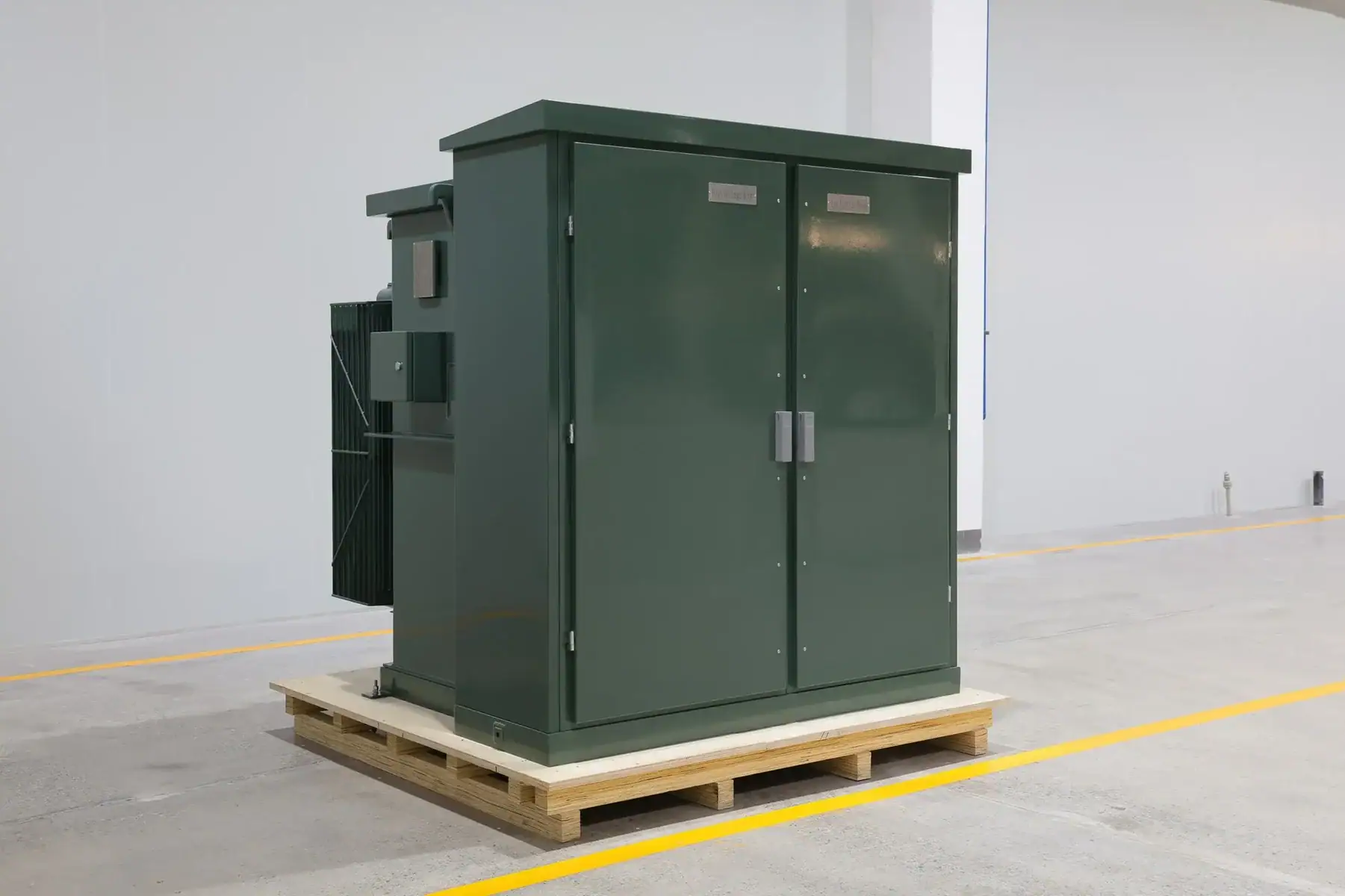
In the ever-evolving landscape of energy management and distribution, finding reliable, efficient power solutions is more critical than ever. As cities expand and industries grow, the demand for smarter, more adaptable electrical infrastructure becomes paramount. Enter the pad-mounted transformer—a silent powerhouse playing a pivotal role in modern smart power solutions. These unassuming yet essential components are revolutionizing the way we understand and manage electrical distribution, offering a compact and secure alternative to traditional, cumbersome utility poles and substations.
Imagine a bustling urban area seamlessly transitioning into a green tech hub with minimal infrastructural disruption, all thanks to the discreet integration of pad-mounted transformers. These robust devices not only enhance the resilience of the grid but also contribute significantly to reducing power outages and improving overall efficiency. By delving deeper into the essentials of pad-mounted transformers, this blog post will uncover how these innovations are driving the future of sustainable and intelligent energy systems. As we explore their crucial functions and benefits, you’ll see why pad-mounted transformers are indispensable in the quest for smarter power solutions.

The Evolution of Electrical Infrastructure: From Utility Poles to Pad-Mounted Transformers
For much of the 20th century, overhead lines and towering utility poles were the backbone of power distribution. While effective, this method presented challenges such as vulnerability to weather, visual clutter, and extended outage recovery times. As urban and suburban landscapes grew denser, the limitations of overhead lines became more apparent. In response, engineers began developing underground distribution systems, aiming to minimize visual impact and improve reliability. Pad-mounted transformers emerged as a cornerstone of this underground network, offering a compact, weatherproof solution that could be strategically placed at street level without the need for large substations.
The transition from overhead to underground distribution marked a paradigm shift. Utility companies invested in buried cables protected from wind, ice, and falling debris, drastically reducing the frequency of service interruptions. Pad-mounted transformers facilitated this shift by serving as the interface between high-voltage primary distribution lines and low-voltage customer connections. Their robust enclosures and tamper-resistant designs helped utilities meet stricter safety and aesthetic regulations, especially in residential and commercial districts. Over time, improvements in materials, insulation techniques, and remote monitoring capabilities have further enhanced the performance and reliability of these devices.
Today’s pad-mounted transformers embody decades of innovation in electrical engineering. They feature advanced dielectric fluids, corrosion-resistant casings, and built-in fault detection sensors that communicate real-time performance data to control centers. This evolution reflects a broader industry trend toward smart grid solutions that prioritize resiliency, operational efficiency, and minimal environmental footprint. As renewable energy integration and distributed energy resources become more prevalent, pad-mounted transformers will continue adapting, ensuring that the grid can meet the demands of tomorrow’s smart cities and eco-conscious communities.
Key Functions and Operations of Pad-Mounted Transformers
A pad-mounted transformer serves as the critical junction between the high-voltage distribution network and the low-voltage circuits that feed homes and businesses. Essentially, it steps down incoming voltages—commonly ranging from 7,200 volts to 35,000 volts—to standard service levels such as 120/240 volts for residential or 480 volts for commercial applications. This voltage reduction is achieved through primary and secondary windings wrapped around a laminated core, enabling efficient electromagnetic induction. The sealed, oil-filled enclosure provides both insulation and heat dissipation, ensuring stable performance under varying load conditions.
In operation, the pad-mounted transformer is connected via underground primary cables to the utility’s distribution feeders. When energized, current flows through the primary winding, generating a magnetic field that induces voltage in the secondary winding. Protective devices fused into the secondary circuit safeguard downstream equipment against short circuits or overloads. Many modern pad-mounted transformers also incorporate temperature sensors, pressure relief devices, and neutral grounding links to enhance safety and facilitate proactive maintenance. By automating key operational functions and enabling remote diagnostics, these transformers play an indispensable role in intelligent power solutions.
Maintenance protocols typically include periodic oil testing, infrared inspection of bushings, and visual checks for corrosion or leaks. Technicians can often perform these tasks without interrupting service, thanks to detachable cable connectors and load-break elbows. The modular design of pad-mounted transformers allows for swift replacement or upgrade of components, minimizing customer downtime. Through their compact footprint and user-friendly servicing features, pad-mounted transformers have redefined the way utilities operate, making underground distribution both practical and cost-effective.
Advantages of Implementing Pad-Mounted Transformers in Power Distribution
One of the most significant benefits of deploying pad-mounted transformers is improved reliability. By relocating primary lines underground, utilities reduce exposure to environmental hazards like storms, falling branches, and vandalism. The enclosed, tamper-resistant design protects critical components from moisture, dirt, and unauthorized access, leading to fewer service interruptions and faster restoration times when issues arise. This reliability translates into enhanced customer satisfaction and lower operational costs for utilities, as fewer emergency repairs are required.
Another key advantage is aesthetic integration. Unlike overhead poles and wires that can dominate streetscapes and detract from property values, pad-mounted transformers blend seamlessly into residential neighborhoods, commercial complexes, and even parks. Their low-profile, weatherproof cabinets can be color-coordinated with surroundings or screened with landscaping to minimize visual impact. This flexibility is especially valuable in historic districts and planned communities where maintaining architectural harmony is crucial.
Cost-effectiveness also drives the adoption of pad-mounted transformers. Although the initial investment in underground distribution and transformer installation may be higher than overhead alternatives, lifecycle analyses often demonstrate lower total costs. Reduced outage-related expenses, fewer maintenance interventions, and extended equipment lifespans contribute to long-term savings. Additionally, underground systems help utilities comply with regulatory mandates on reliability and environmental protection, avoiding potential fines and improving public relations. For cities aiming to balance fiscal responsibility with modern infrastructure goals, pad-mounted transformers are a strategic asset.
Enhancing Grid Resilience with Pad-Mounted Transformers
Grid resilience refers to the ability of an electrical network to withstand and quickly recover from disruptions. Pad-mounted transformers contribute to this resilience by localizing potential failure points and simplifying fault isolation. In an underground distribution system, a single faulty cable or transformer can be rapidly pinpointed through sectionalizing switches and automated sensors. Restoration crews can then address the issue without impacting adjacent circuits, restoring power to unaffected areas without delay.
Moreover, pad-mounted transformers facilitate easier integration of distributed energy resources (DERs) such as rooftop solar, battery storage, and electric vehicle charging stations. By strategically placing these transformers near load centers, utilities can manage bidirectional power flows and maintain voltage stability even as more customers generate and feed power back into the grid. Advanced monitoring systems installed within the transformer housing provide real-time data on load conditions, temperature, and potential fault indicators. This intelligence enables grid operators to enact preventative measures—such as load redistribution or remote reconfiguration—before minor issues escalate into major outages.
Finally, pad-mounted transformers support modular expansion of the grid. When new developments emerge or load requirements change, utilities can upgrade or add transformers with minimal civil works and without erecting new poles. This scalability is essential for rapidly growing regions and for programs that aim to electrify transportation or accommodate future technological innovations. In this way, pad-mounted transformers stand at the forefront of building a resilient, adaptable power network capable of meeting evolving demands.
Safety Measures and Maintenance Practices for Pad-Mounted Transformers
Safety is paramount in the design and upkeep of pad-mounted transformers. These units are engineered with tamper-resistant, corrosion-resistant enclosures that deter unauthorized access and safeguard against accidental contact with live components. Breaker or fuse-protected secondary circuits prevent overloads, while pressure relief devices vent safely in the unlikely event of internal faults. Insulation fluids are selected for their non-toxic and fire-resistant properties, reducing environmental risks and enhancing personnel safety during handling and maintenance.
Routine maintenance is essential to ensure continued safe operation. Key practices include thermographic inspections of bushings to detect overheating, oil sampling to monitor dielectric integrity, and physical examinations for signs of moisture ingress or corrosion. Technicians also verify the tightness of cable connectors and the integrity of gaskets and seals. Many utilities employ predictive maintenance strategies, leveraging real-time condition monitoring sensors that alert operators to abnormalities before they escalate into failures. This proactive approach minimizes downtime and extends equipment life.
When major repairs or replacements are required, pad-mounted transformers offer practical advantages. Quick-disconnect cable connectors allow for “hot-swapping” under load in some designs, meaning transformers can be replaced without cutting power to entire feeders. With proper lockout/tagout procedures and insulated tools, field crews can work safely even in confined urban settings. Training programs emphasize both electrical safety standards and environmental protocols for handling transformer oil, ensuring that maintenance activities meet regulatory requirements and industry best practices.
Conclusion: The Future of Energy Management with Pad-Mounted Transformers
As the energy landscape continues to shift toward decentralized, renewable, and digital solutions, the role of pad-mounted transformers will only grow in significance. Their compact form factor, reliability, and intelligent monitoring features make them ideal for modern grid architectures that demand both resilience and adaptability. By bridging high-voltage distribution networks with end-user applications, these units enable efficient, secure power delivery in ever-changing environments.
Looking ahead, advancements in materials science and IoT integration promise to enhance transformer performance and lifecycle management even further. Smart sensors, predictive analytics, and remote operation capabilities will empower utilities to optimize grid operations, reduce carbon footprints, and deliver exceptional service quality. In the quest for smarter power solutions, pad-mounted transformers stand as a testament to innovation—quietly powering our cities and industries toward a sustainable, electrified future.

 English
 Français
 Español
 Deutsch