
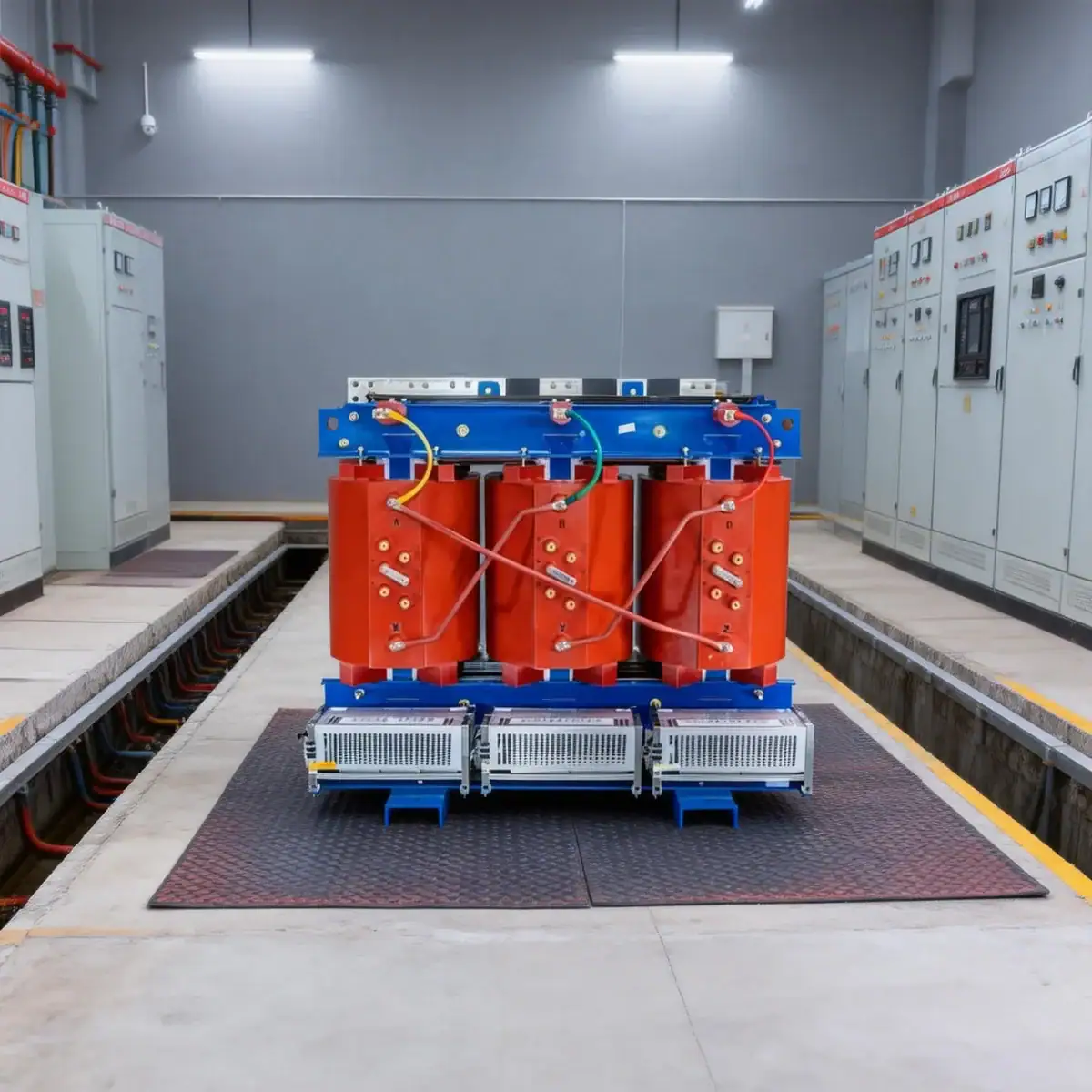
In an age where energy efficiency isn’t just a buzzword but a necessity, understanding the intricacies of dry type transformer efficiency is crucial. Imagine a world where energy consumption could be drastically reduced, not by cutting back on usage, but by enhancing the performance of the systems we rely on daily. Transformative technologies like dry type transformers hold the key to unlocking such possibilities. These transformers, unlike their oil-filled counterparts, offer a cleaner, safer, and more sustainable solution, making them an increasingly vital component in modern electrical systems.
But, how efficient are they truly, and what steps can be taken to maximize their potential? Delving into the specifics of dry type transformer efficiency uncovers fascinating insights into their operational advantages and how they contribute to a greener future. As you journey through this article, you’ll discover not only the underlying mechanics but also the cutting-edge innovations that continue to propel these devices forward. Join us as we explore the future of energy efficiency, transforming not only the power sector but the entire landscape of sustainable technology.

The Basics of Dry Type Transformers
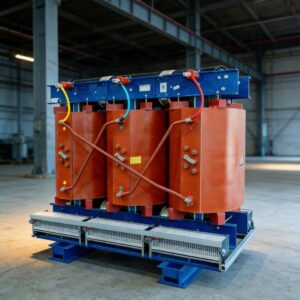
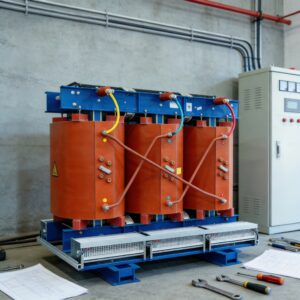
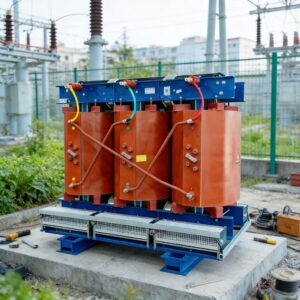
Dry type transformers are electrical devices designed to transfer power through electromagnetic induction without the use of liquid coolant. Instead of oil, they employ cast resin or vacuum pressure impregnation (VPI) techniques to encapsulate the windings and core, eliminating the risk of leaks or fire. These units are typically constructed with a laminated steel core around which copper or aluminum windings are precisely wound and then encapsulated in epoxy resin. This solid insulation not only ensures durability but also allows the transformer to operate in environments where oil-filled units would pose safety hazards, such as indoor installations, food processing plants, and hospitals.
The inherent design of dry type transformers significantly influences their Dry Type Transformer Efficiency, as heat dissipation relies on natural or forced air circulation rather than liquid circulation. Ventilation ducts and cooling fans are strategically positioned to maintain optimal temperature levels, preserving the integrity of the insulation and extending service life. The absence of oil means lower maintenance requirements and no risk of contamination, making them ideal for sensitive settings. Understanding these basic design elements is the first step toward comprehending how dry type transformers achieve high performance and why they are increasingly preferred in energy-conscious installations worldwide.
Advantages Over Oil-Filled Transformers
One of the most compelling advantages of dry type transformers lies in their safety profile. Without combustible oil, these units eliminate the risk of fire and environmental contamination, making them preferable for indoor and densely populated areas. Their solid insulation resists moisture, dust, and vibration better than oil fills, reducing the likelihood of short circuits and insulation breakdown. Moreover, dry type transformers typically have a smaller footprint because they do not require large oil tanks and associated containment structures. This compact design simplifies installation and enables placement closer to the load, reducing cable runs and associated line losses.
Maintenance requirements for dry type transformers are also substantially lower. Since there is no oil to test, filter, or replace, routine inspections focus on checking insulation resistance, verifying air pathways, and ensuring cooling fans function properly. This reduces downtime and operational costs for industries operating critical processes. Furthermore, dry type units are often rated for higher temperature classes (e.g., 220°C for Class H insulation) compared to oil-filled counterparts, meaning they can handle overloading and ambient temperature fluctuations with less thermal degradation. All of these factors contribute positively to Dry Type Transformer Efficiency, making these units an attractive choice for facilities prioritizing reliability and sustainability.
Understanding Efficiency Ratings
Transformer efficiency is typically expressed as the ratio of output power to input power, factoring in no-load and load losses. No-load losses, primarily due to core magnetization, occur whenever the transformer is energized, while load losses—caused by winding resistance and stray flux—vary with the load current. Manufacturers often provide efficiency curves at various load percentages (e.g., 50%, 75%, 100%), allowing users to estimate energy consumption under different operating conditions. Regulatory bodies, such as the U.S. Department of Energy (DOE) and the International Electrotechnical Commission (IEC), set minimum efficiency standards that transformers must meet at specified load points to qualify for energy-saving certifications.
For dry type transformers, these ratings are crucial to assess potential energy savings over the device’s lifespan. High-efficiency models minimize both no-load and load losses through optimized core materials—such as low-loss silicon steel—and precision-engineered winding arrangements that reduce copper losses. When selecting a transformer, comparing the efficiency rating at the facility’s typical load level is far more informative than simply looking at peak efficiency. This approach ensures that the system will operate optimally under real-world conditions, maximizing return on investment and reducing carbon footprint through lower energy consumption.
Factors Influencing Efficiency
Several interrelated factors determine the efficiency of dry type transformers. Core material quality and lamination thickness directly impact no-load losses; thinner, high-grade silicon steel laminations reduce eddy currents and hysteresis. Meanwhile, winding conductor size and geometry affect load losses, as larger conductors offer lower resistance but at the cost of increased material expense and weight. Optimal design strikes a balance between minimizing resistance and controlling manufacturing costs. Additionally, operating temperature significantly influences copper resistance: every 10°C rise can increase resistance by roughly 2%, leading to higher losses.
Environmental and operational conditions also play a critical role. Ambient temperature, altitude, humidity, and the presence of dust can impair heat dissipation. Forced air cooling systems—when correctly sized and maintained—help to preserve Dry Type Transformer Efficiency by keeping windings within intended temperature ratings. Load profile variability, including frequent overloads or underloads, may lead to non-ideal operating points on the efficiency curve. Understanding these factors allows engineers to tailor transformer selection and operating strategies to specific applications, ensuring peak performance and longevity.
Enhancing Performance Through Maintenance
Proactive maintenance is essential to sustain dry type transformer efficiency over the equipment’s operational life. Regular inspection schedules should include thermal imaging to detect hotspots, infrared scanning to uncover loose connections, and detailed visual checks for dust accumulation or physical damage. Cleaning air passages and cooling fans ensures adequate airflow, preventing thermal build-up that accelerates insulation aging. Insulation resistance testing, conducted during scheduled outages, helps identify moisture ingress or insulation degradation before catastrophic failures occur.
Condition-based monitoring systems offer real-time insights into transformer health by tracking temperature, airflow, and partial discharge activity. Integrating these data streams into a predictive maintenance platform allows facility managers to anticipate issues and schedule repairs during planned downtimes rather than responding to emergencies. Lubrication of fan motors, tightening of electrical connections, and replacement of air filters further optimize heat dissipation and electrical contact resistance. By diligently following maintenance protocols, operators can preserve Dry Type Transformer Efficiency, prevent unplanned outages, and extend service life, resulting in lower lifecycle costs and higher energy savings.
Conclusion: The Future of Energy Efficiency
Dry type transformer efficiency continues to improve through advancements in materials, design, and digital monitoring. As industries and utilities aim for net-zero goals, these transformers play a pivotal role in reducing energy waste and greenhouse gas emissions. Their safety advantages, lower maintenance requirements, and high performance make them indispensable in modern power systems.
Looking ahead, integration with smart grid technologies and IoT-enabled sensors will further optimize operations, allowing real-time adjustments to maximize efficiency. By embracing these innovations, we can ensure a sustainable, reliable, and energy-efficient electrical infrastructure for generations to come.

 English
 Français
 Español
 Deutsch