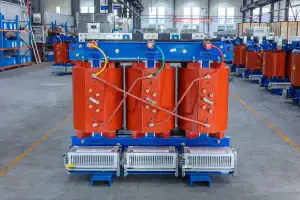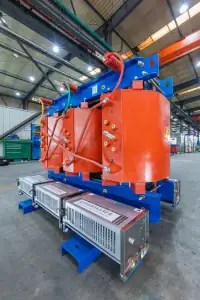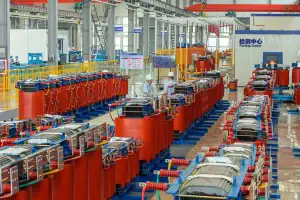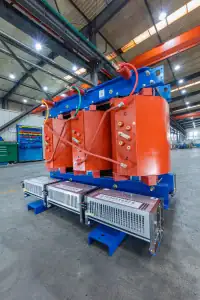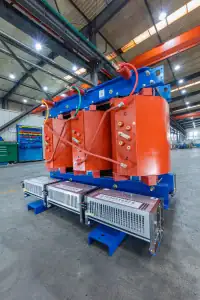

In today’s fast-evolving industrial landscape, the demand for efficient and reliable power distribution is more critical than ever. At the heart of many power systems are transformers, which play a pivotal role in ensuring electrical currents are safely and efficiently transferred across circuits. Among the various types of transformers, dry type transformers are gaining popularity due to their safety, efficiency, and eco-friendliness. One essential component that elevates the performance of these transformers is their insulation system. Let’s delve into the benefits of custom dry type transformer insulation and why it is crucial for modern electrical systems.

Before we explore the insulation aspect, it’s essential to understand what dry type transformers are. Unlike oil-filled transformers, dry type transformers use air as a cooling medium. This design eliminates the risk of oil leaks and reduces fire hazards, making them ideal for indoor applications and environmentally sensitive areas.
Key Features of Dry Type Transformers
- Safety: With no oil involved, the risk of fire is significantly reduced.
- Eco-Friendly: No risk of oil spills that could harm the environment.
- Low Maintenance: Requires less maintenance compared to oil-filled counterparts.
The Importance of Insulation in Transformers
Insulation is a critical component of transformers, ensuring electrical stability and enhancing performance. In dry type transformers, insulation materials play a pivotal role in thermal management and protection.
Thermal Protection and Efficiency
Insulation materials help manage the heat generated during operation, ensuring that transformers operate efficiently and have a prolonged lifespan. High-temperature insulation classes like Class F and Class H are commonly used for this purpose.
- Class F Insulation: Suitable for temperatures up to 155°C, providing excellent thermal protection.
- Class H Insulation: Can withstand temperatures up to 180°C, offering superior thermal resilience.
Custom Transformer Insulation Systems

Custom insulation systems are tailored to meet the specific requirements of different applications. By customizing the insulation, manufacturers can optimize transformer performance, safety, and efficiency.
Advantages of Custom Insulation
- Enhanced Performance: Custom insulation materials can be selected based on specific operational needs, ensuring optimal performance.
- Improved Safety: Tailored insulation reduces the risk of electrical faults and enhances thermal protection.
- Longevity: High-quality, custom insulation can significantly extend the lifespan of transformers.
Types of Dry Transformer Insulation Materials
Various materials are used in the insulation of dry type transformers, each offering unique benefits.
Cast Resin Insulation
Cast resin insulation involves embedding the windings in epoxy resin. This method provides robust protection against moisture, dust, and other environmental factors. It is ideal for harsh environments where additional protection is necessary.
- Moisture Resistant: Excellent for humid or wet conditions.
- Durable: Offers long-term reliability and protection.
Vacuum Pressure Impregnation (VPI) Insulation
VPI insulation involves immersing the windings in resin under vacuum pressure, ensuring thorough impregnation. This technique enhances the mechanical strength and thermal endurance of transformers.
- Thorough Impregnation: Ensures complete resin penetration for maximum protection.
- Enhanced Mechanical Strength: Improves the durability and resistance of transformers to mechanical stress.
Selecting the Right Insulation System
Choosing the appropriate insulation system for a dry type transformer depends on various factors, including operational environment, thermal requirements, and specific application needs. Here are some considerations:
Environmental Factors
- Humidity and Moisture: For areas with high humidity, materials like cast resin offer superior moisture resistance.
- Temperature Extremes: High-temperature insulation classes are crucial for environments with temperature fluctuations.
Application-Specific Needs
- Load Capacity: Insulation should be capable of handling the maximum load without degrading.
- Safety Regulations: Compliance with industry standards and safety regulations is essential for ensuring operational safety.
Benefits of Customizing Dry Type Transformer Insulation
Customizing the insulation system offers several advantages, making it an appealing choice for many industries.
Improved Efficiency and Reliability
Customized insulation ensures that transformers operate at peak efficiency, reducing energy losses and improving reliability.
Cost-Effectiveness
While custom insulation may have a higher upfront cost, the long-term benefits of reduced maintenance and extended lifespan make it a cost-effective choice.
Eco-Friendly Solutions
By selecting environmentally friendly insulation materials, manufacturers can reduce the environmental impact of transformers, aligning with sustainability goals.
Conclusion
In conclusion, the benefits of custom dry type transformer insulation are manifold. By optimizing insulation systems to meet specific needs, manufacturers can enhance the performance, safety, and longevity of transformers. Whether through cast resin or VPI techniques, the right insulation materials ensure that transformers remain a reliable component of modern power systems. As industries continue to seek efficient and eco-friendly solutions, custom transformer insulation stands out as a pivotal factor in achieving these objectives.