In the world of electrical engineering, transformers play a crucial role in transferring electrical energy from one circuit to another. Among the various types, dry type transformers are gaining popularity due to their safety, reliability, and environmental benefits. This article will guide you through the basics of dry type transformers, comparing different types and highlighting their performance and efficiency.

Dry type transformers use air as the cooling medium, as opposed to liquid-filled transformers, which use oil or other insulating liquids. This fundamental difference makes them inherently safer and environmentally friendly, as there is no risk of oil leaks. They are commonly used in indoor applications where safety and fire risk reduction are paramount.
Types of Dry Type Transformers
There are primarily two types of dry type transformers: Cast Resin Transformers and Vacuum Pressure Impregnated (VPI) Transformers. Each has its own set of advantages and applications.
Cast Resin Transformers
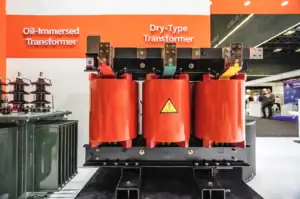
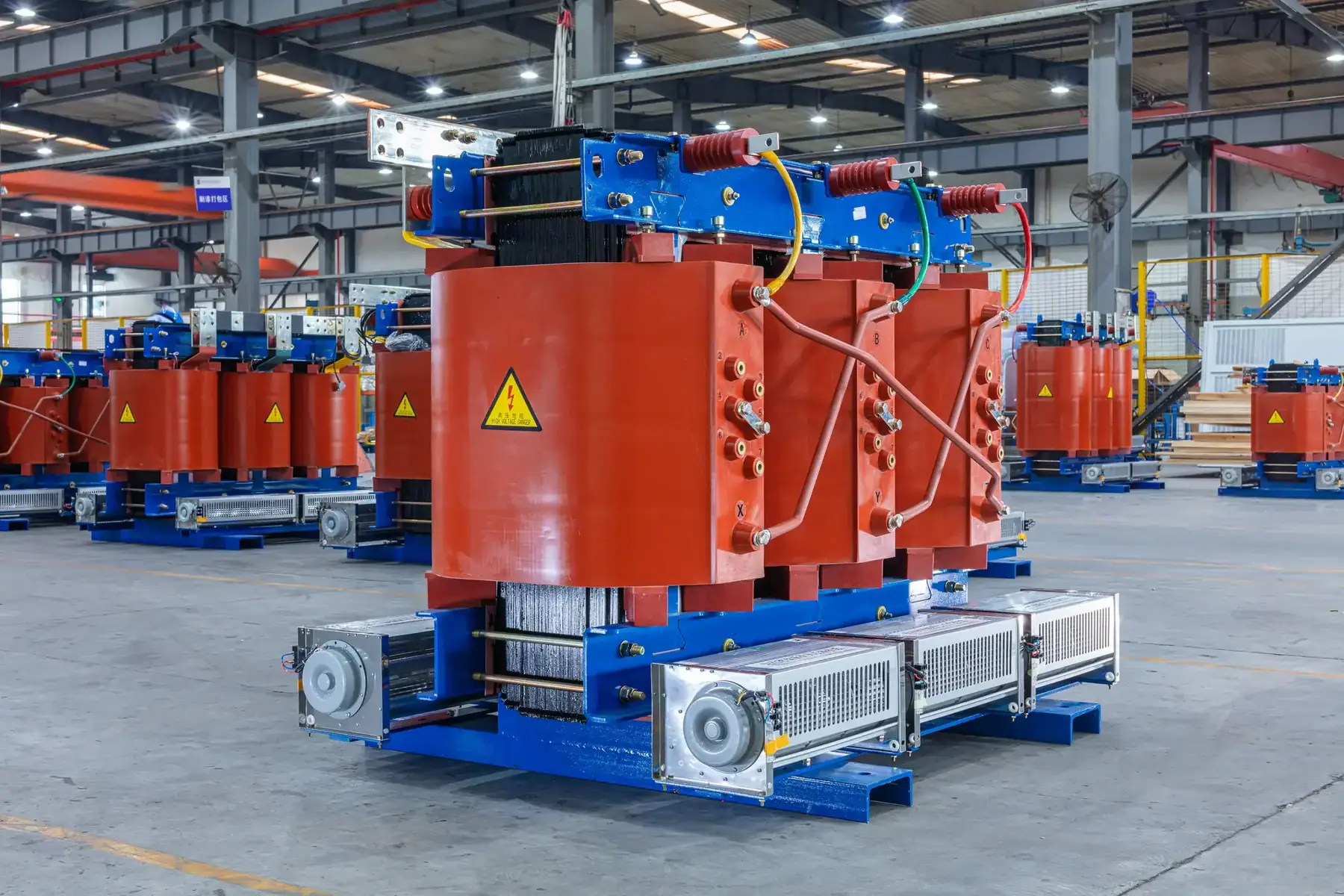
Cast resin transformers encapsulate their windings in epoxy resin. This provides robust protection against environmental factors such as moisture, dust, and corrosive atmospheres. They are known for their durability and are often used in harsh environments like chemical plants and offshore installations.
Vacuum Pressure Impregnated (VPI) Transformers
VPI transformers, on the other hand, use a vacuum pressure process to impregnate the windings with resin. They offer excellent thermal performance and mechanical strength. VPI transformers are typically used in commercial buildings and indoor installations where reliability and performance are critical.
Comparing Transformer Performance

When it comes to performance, both cast resin and VPI transformers have their strengths. Understanding these can help you make an informed decision when selecting a transformer for your specific needs.
Efficiency and Losses
Transformer efficiency is a key factor in their selection. Dry type transformers generally have lower efficiency compared to oil-filled transformers due to higher no-load losses. However, advancements in technology have significantly improved their efficiency levels.
- Cast Resin Transformers: These transformers have slightly higher losses compared to VPI transformers but offer better environmental protection.
- VPI Transformers: Known for their superior thermal performance, VPI transformers typically exhibit lower losses, making them more efficient in the long run.
Safety and Environmental Impact
Safety is a major consideration when selecting a transformer type. Dry type transformers are inherently safer as they do not contain flammable liquids. This makes them ideal for indoor use and areas with stringent fire safety regulations.
- Environmental Benefits: Both cast resin and VPI transformers are environmentally friendly as they eliminate the risk of oil spills and contamination.
- Safety Features: The absence of oil makes dry type transformers less prone to fire hazards, thus enhancing the overall safety of the installation.
Transformer Selection Guide
Selecting the right transformer involves assessing several factors, including the intended application, environmental conditions, and budget constraints. Here’s a quick guide to help you choose the best dry type transformer for your needs.
Application and Environment
- Indoor Installations: For indoor applications, both cast resin and VPI transformers are suitable. However, VPI transformers are preferred in commercial settings due to their superior thermal performance.
- Harsh Environments: In environments with high levels of moisture or corrosive elements, cast resin transformers are the better choice due to their robust encapsulation.
Cost Considerations
While dry type transformers are generally more expensive than their oil-filled counterparts, they offer significant savings in terms of maintenance and safety. The initial investment can be offset by the long-term benefits of reduced fire risk and environmental impact.
Future Trends in Transformer Technology

The transformer industry is continuously evolving, with innovations aimed at enhancing efficiency and sustainability. Here are some trends to watch out for:
- Smart Transformers: Integration of smart technologies for real-time monitoring and predictive maintenance.
- Eco-friendly Materials: Development of sustainable materials to reduce the environmental footprint of transformers.
- Enhanced Cooling Systems: Innovations in cooling technologies to improve efficiency and performance.
Conclusion
Dry type transformers offer a safe, efficient, and environmentally friendly solution for various applications. By understanding the differences between cast resin and VPI transformers, you can select the right transformer to meet your specific needs. As technology continues to advance, these transformers will become even more efficient and sustainable, making them a smart choice for the future.
In summary, whether you are looking to enhance safety in an indoor environment or seeking a reliable solution for harsh conditions, dry type transformers provide a versatile and effective option. With the right selection and application, you can ensure optimal transformer performance and efficiency for years to come.