
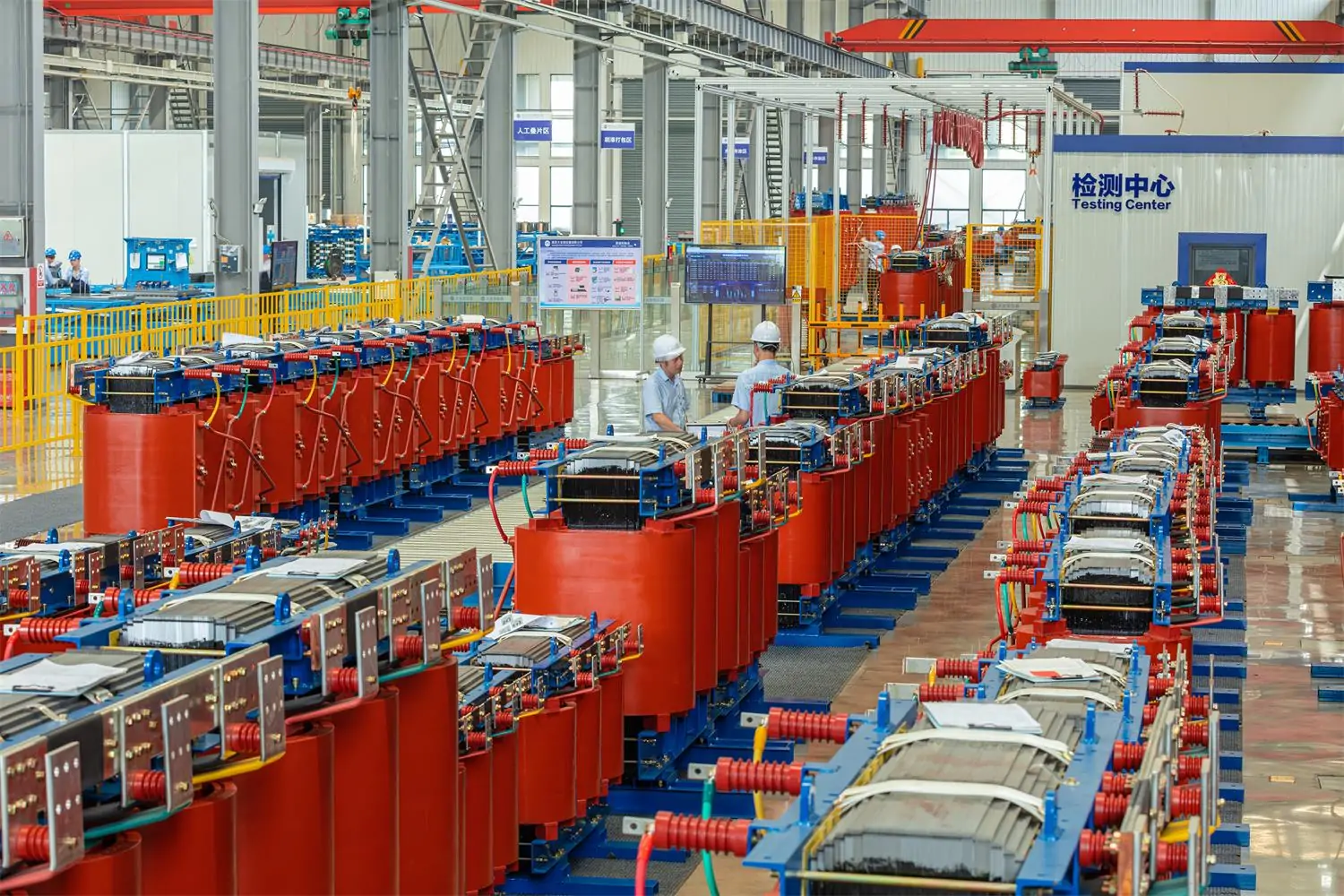
In this guide, we will delve into the intricacies of dry-type transformer cooling ratings, examining how they function, the various cooling methods employed, and the significance of these ratings for transformer efficiency and longevity. We will also discuss the importance of managing temperature rise and ensuring proper ventilation, both of which are critical for the optimal functioning of these transformers.

Dry type transformers, also known as cast resin transformers, are a type of transformer that uses air as the primary cooling medium. Instead of being immersed in oil, the windings and core of these transformers are coated with resin or varnish, which provides insulation and protection. This makes dry type transformers a popular choice for indoor applications or places where environmental safety is a concern. Their design is particularly beneficial in settings where fire hazards need to be minimized and regular maintenance is challenging.
The use of air as a cooling medium not only reduces environmental risks but also simplifies the overall maintenance process. Without the need for oil, these transformers eliminate the risk of leaks and spills, which can be both costly and hazardous. Furthermore, the absence of oil contributes to a lower risk of fire, making these transformers ideal for densely populated or sensitive areas. With their robust design and minimal maintenance requirements, dry type transformers are becoming an increasingly preferred choice for modern electrical systems.
Benefits of Dry Type Transformers
- Environmental Safety: No risk of oil leaks, making them safer for the environment. This is particularly important in areas with strict environmental regulations or where natural ecosystems need protection.
- Reduced Fire Hazard: Since they don’t use flammable oil, the risk of fire is significantly lower. This makes them suitable for installations in high-risk areas such as chemical plants and densely populated urban areas.
- Minimal Maintenance: Requires less maintenance compared to oil-filled transformers. This not only reduces operational costs but also minimizes downtime, ensuring consistent power delivery.
Dry type transformers are also noted for their versatility and adaptability in various environments. Their design allows them to function effectively in both indoor and outdoor settings, provided that the appropriate enclosures are used. Additionally, they are well-suited for environments where space is limited, as they can be installed closer to walls or other structures without the need for extensive safety clearances.
Understanding Cooling Ratings
Cooling ratings are vital for ensuring that a transformer operates efficiently and safely. These ratings indicate the methods used to dissipate the heat generated during operation. For dry type transformers, the most common cooling methods are AN (Air Natural) and AF (Air Forced). Each method has its own set of advantages and is suited to different operational needs and environmental conditions.
Understanding these cooling ratings helps in optimizing the design and installation of transformers. By selecting the appropriate cooling method, you can enhance the transformer’s performance and lifespan, ensuring reliable operation under varying load conditions. Properly applied cooling ratings also contribute to energy efficiency, reducing operational costs over time.
AN Cooling (Air Natural)
AN cooling is the simplest form of cooling for dry type transformers. In this method, the transformer relies on natural air circulation to dissipate heat. The heat generated by the transformer causes the air around it to warm up and rise, pulling cooler air from below to take its place. This natural convection process effectively cools the transformer without the need for additional equipment. The simplicity of AN cooling makes it an attractive option for installations where cost and complexity need to be minimized.
This cooling method is particularly effective in environments where ambient air circulation is sufficient to maintain the transformer within its safe operating temperature range. However, it is essential to ensure that the installation site has adequate ventilation to support the natural convection process. In settings where the ambient temperature is high or where airflow is restricted, AN cooling may not be sufficient, and alternative cooling methods might be necessary.
Advantages of AN Cooling:
- Simplicity: No moving parts or additional systems required. This reduces the likelihood of mechanical failure and simplifies the installation process.
- Cost-Effective: Lower installation and operational costs. The absence of additional cooling equipment means fewer upfront expenses and reduced energy consumption.
- Quiet Operation: Minimal noise since no fans are involved. This makes AN cooling ideal for installations in noise-sensitive environments, such as residential areas or office buildings.
AN cooling is also associated with reduced maintenance requirements, as there are no mechanical components that need regular servicing. This further contributes to its cost-effectiveness and reliability, making it a preferred choice for many applications.
AF Cooling (Air Forced)

AF cooling involves the use of fans to increase the airflow around the transformer, enhancing the cooling process. By actively moving air across the transformer’s surface, AF cooling can significantly improve heat dissipation and allow the transformer to handle a higher load. This method is particularly useful in environments where natural air circulation is insufficient to maintain the transformer’s operating temperature.
AF cooling provides a more controlled cooling environment, allowing for greater flexibility in managing temperature rise. The use of fans enables more precise regulation of airflow, which can be adjusted based on the load requirements of the transformer. This adaptability makes AF cooling suitable for installations where load conditions fluctuate, ensuring that the transformer remains within safe operating limits.
Advantages of AF Cooling:
- Increased Capacity: Can handle higher loads compared to AN cooling. This makes AF cooling ideal for applications with high power demands or where transformers are expected to operate at or near full capacity.
- Better Heat Management: More effective in maintaining optimal temperature levels. The active airflow provided by fans ensures that heat is quickly dissipated, reducing the risk of overheating.
- Flexibility: Fans can be turned on or off based on load requirements. This allows for energy savings during periods of low demand and ensures maximum cooling efficiency when needed.
AF cooling systems require regular maintenance to ensure that the fans and other components are functioning correctly. However, the enhanced cooling capacity and flexibility often outweigh the additional maintenance requirements, particularly in high-demand applications.
Transformer Temperature Rise
The temperature rise in a transformer is the increase in temperature from the ambient environment to the operating temperature. It’s an important factor to consider, as excessive temperature rise can lead to insulation breakdown and reduce the transformer’s lifespan. Monitoring and managing temperature rise is crucial for maintaining the reliability and efficiency of the transformer.
Temperature rise is influenced by several factors, including the cooling method used, the ambient temperature, and the load on the transformer. By understanding these factors, you can implement strategies to manage temperature rise effectively, ensuring that the transformer operates within its safe temperature limits. This not only enhances performance but also protects the investment in the transformer by prolonging its operational life.
Managing Temperature Rise
Effective cooling methods are crucial for managing temperature rise. By selecting the appropriate cooling method (AN or AF), you can ensure that the transformer operates within safe temperature limits. Regular monitoring and maintenance can also help in keeping the temperature rise under control. Installing temperature sensors and monitoring systems can provide real-time data, allowing for timely interventions if the temperature approaches critical levels.
In addition to selecting the right cooling method, other strategies can help manage temperature rise. These include optimizing load distribution, ensuring adequate ventilation, and maintaining a clean environment around the transformer. By addressing these factors, you can minimize the risk of excessive temperature rise and ensure the long-term reliability of the transformer.
Transformer Ventilation
Proper ventilation is another critical aspect of transformer cooling. Ensuring that there is adequate space around the transformer for air circulation is essential for both AN and AF cooling methods. Inadequate ventilation can lead to hotspots and reduced efficiency, compromising the performance and safety of the transformer.
Ventilation considerations are particularly important in enclosed or indoor installations, where natural airflow may be restricted. By designing the installation with ventilation in mind, you can maximize the effectiveness of the chosen cooling method and ensure that the transformer operates efficiently.
Tips for Effective Transformer Ventilation:
- Clearance: Maintain adequate clearance around the transformer for unrestricted airflow. This allows for effective heat dissipation and prevents the formation of hotspots.
- Vent Openings: Ensure that vent openings are not obstructed. Regularly check and clear any debris or blockages that might impede airflow.
- Regular Inspections: Conduct regular inspections to ensure ventilation systems are functioning properly. This includes checking fans, ducts, and any other components involved in the ventilation process.
In addition to these tips, consider the overall layout and design of the installation site to optimize ventilation. This might involve strategic placement of transformers and other equipment to facilitate airflow and minimize interference. By taking a proactive approach to ventilation, you can enhance the cooling efficiency of the transformer and ensure safe operation.
Importance of Cooling Ratings in Transformer Efficiency
The efficiency of a transformer is greatly influenced by its cooling method and ratings. Efficient cooling reduces energy losses and improves the transformer’s overall performance. By understanding and applying the correct cooling ratings, you can maximize the lifespan and efficiency of the transformer. This not only benefits the operation of the transformer but also contributes to the overall sustainability and cost-effectiveness of the electrical system.
Cooling ratings play a crucial role in ensuring that transformers operate within their designed parameters. By adhering to these ratings, you can prevent overheating, reduce energy consumption, and minimize wear and tear on the transformer’s components. This leads to a more reliable and efficient power system, with fewer disruptions and lower operational costs over time.
How Cooling Ratings Enhance Efficiency:
- Reduces Energy Loss: Effective cooling minimizes resistive losses in the windings. By keeping the transformer cool, you can reduce the energy lost as heat, leading to improved efficiency.
- Prolongs Equipment Life: Keeps the operating temperature within safe limits, reducing wear and tear. This not only extends the life of the transformer but also lowers maintenance costs and downtime.
- Optimizes Performance: Ensures the transformer can handle its rated load without overheating. By maintaining optimal temperature levels, you can ensure consistent and reliable performance, even under varying load conditions.
Incorporating the right cooling ratings into the design and operation of transformers is essential for achieving optimal efficiency. By doing so, you can enhance the sustainability and reliability of your electrical systems, benefiting both the environment and your bottom line.
Conclusion
Understanding dry type transformer cooling ratings is crucial for ensuring optimal performance and longevity. By choosing the right cooling method and maintaining proper ventilation, you can enhance the efficiency and safety of your electrical systems. Whether you opt for AN or AF cooling, the key is to ensure that your transformer operates within its specified temperature rise limits and in a well-ventilated environment. This will not only protect your investment but also contribute to a more sustainable and reliable power system.
In summary, the choice of cooling method and adherence to cooling ratings are fundamental to the successful operation of dry type transformers. By prioritizing these aspects, you can ensure that your transformers deliver consistent performance, minimize energy losses, and provide reliable service for years to come.

 English
 Français
 Español
 Deutsch