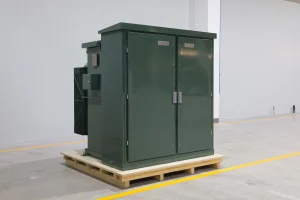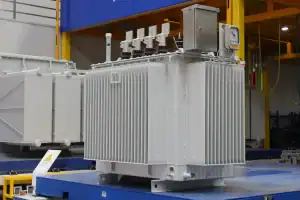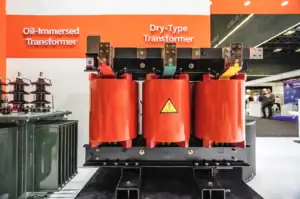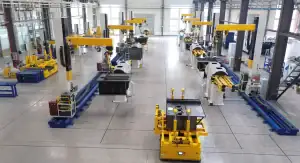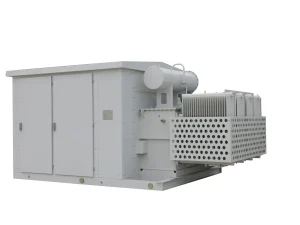
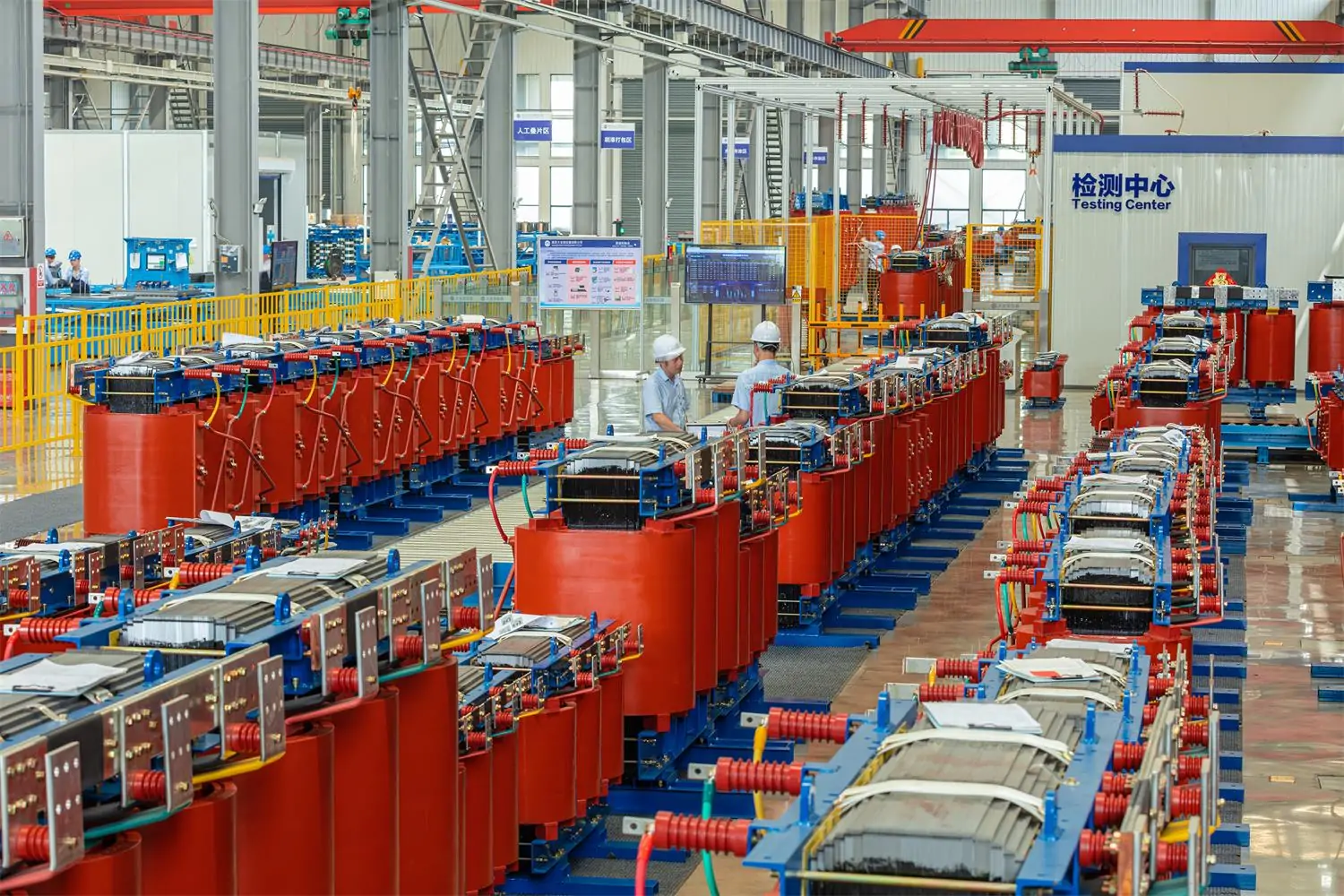
Dry type transformers are designed to be robust and reliable, often featuring a longer lifespan due to their simple yet effective cooling mechanisms. They are especially beneficial in urban and densely populated areas where space constraints and safety considerations are paramount. Their design allows them to be installed closer to load centers, reducing transmission losses and enhancing overall energy efficiency. Understanding these advantages helps in appreciating the installation nuances needed to harness their full potential.

Types of Dry Type Transformers
Cast Resin Transformers
These transformers are known for their robust construction and excellent moisture resistance, making them ideal for challenging environments. The resin encapsulation protects the windings from dust, moisture, and corrosive agents, ensuring long-term reliability. Cast resin transformers are commonly used in applications where environmental conditions are harsh, such as chemical plants and coastal areas.
Vacuum Pressure Impregnated (VPI) Transformers
These offer a high level of insulation and are commonly used in settings where low noise and low partial discharge are important. The VPI process involves impregnating the windings with varnish under vacuum, providing excellent dielectric properties and mechanical strength. This makes them suitable for sensitive applications such as hospitals and data centers, where operational noise and reliability are critical concerns.
Pre-Installation Planning and Site Selection
Choosing the right location is the first step in the installation process. The site must meet certain requirements to ensure the transformer operates efficiently.
Key Site Selection Factors
- Ventilation: Proper ventilation clearance is critical. Ensure adequate airflow around the transformer to prevent overheating, which can lead to reduced efficiency and premature failure. Consider the ambient temperature and airflow patterns in the chosen location to optimize cooling.
- Accessibility: The transformer should be easily accessible for maintenance and inspections. This includes having enough space around the unit for personnel to perform routine checks and emergency repairs without obstruction.
- Environment: The area should be free from excessive moisture, dust, and corrosive chemicals. These factors can degrade the insulation and metal components of the transformer over time. Consider installing the transformer in a weather-protected enclosure or dedicated room to shield it from adverse environmental conditions.
Compliance with Codes and Standards
Adhering to national and local installation guidelines is essential. Refer to documents such as the Eaton dry type transformer installation manual to ensure compliance with industry standards and regulations. Compliance ensures that the installation meets safety and operational benchmarks, reducing the risk of failures and legal liabilities.
It’s also important to be familiar with any specific building codes or utility requirements in your area. These regulations may dictate aspects such as transformer placement, noise levels, and electromagnetic interference, among others. Staying informed about these requirements helps in planning and executing a compliant installation.
Step-by-Step Installation Guide
Securing the Transformer
Proper mounting is crucial for operational stability and safety. Follow these steps to ensure correct mounting:
- Foundation: Ensure the foundation is level and can support the weight of the transformer. An uneven foundation can lead to vibrations and misalignment, potentially causing mechanical damage over time.
- Mounting Frame: Secure the transformer on a stable mounting frame. This helps in minimizing vibrations and potential damage. Use vibration dampeners if necessary, especially in environments with significant mechanical activity or movement.
Making Electrical Connections
Correct electrical connections are vital for the transformer to function properly. Ensuring that all connections are secure and correctly configured is crucial for operational safety and performance.
- Cable Sizing: Ensure cables are of the correct size to handle the transformer’s load without overheating. Undersized cables can lead to energy losses and overheating, posing a fire risk and reducing efficiency.
- Grounding: Proper grounding prevents electrical faults and enhances safety. A well-grounded transformer protects against electrical shocks and surges, safeguarding both equipment and personnel.
- Phasing and Polarity: Double-check the phasing and polarity to prevent operational issues. Incorrect phasing can lead to malfunction or damage to the connected equipment, so careful verification is essential.
Ensuring Adequate Ventilation Clearance
Ventilation clearance is a key factor in the installation requirements for dry type transformers. Proper heat management is essential for the transformer’s longevity and efficiency.
- Clearance: Maintain sufficient clearance from walls and other equipment to allow heat dissipation. Adequate space ensures that heat generated by the transformer does not accumulate, which could lead to overheating and reduced efficiency.
- Temperature Monitoring: Install temperature monitoring devices to keep track of operating temperatures. These devices help in the early detection of overheating issues, allowing for timely intervention to prevent damage.
Post-Installation Checks and Testing
Once the transformer is installed, conduct the following checks to ensure everything is in order:
- Visual Inspection: Check for any visible signs of damage or installation errors. Look for signs of wear, corrosion, or misalignment that could indicate potential issues.
- Electrical Testing: Perform electrical tests to verify insulation resistance and proper functioning. These tests help confirm that the transformer is operating within its specified parameters and can identify potential electrical faults before they become serious problems.
- Load Testing: Gradually apply load to the transformer and monitor performance. Load testing ensures the transformer can handle its expected load without issues and helps identify any performance bottlenecks.
Documentation and Maintenance Planning
Document all aspects of the installation, including settings, test results, and compliance records. Keeping detailed records is important for future maintenance and troubleshooting, providing a reference for technicians and engineers.
Establish a regular maintenance schedule to ensure the transformer continues to operate efficiently. Routine maintenance helps identify potential issues early, reducing downtime and extending the transformer’s lifespan. Regular inspections, cleaning, and testing should be part of this schedule to keep the transformer in optimal condition.
Troubleshooting Common Issues
Even with careful installation, issues may arise. Here are some common problems and their solutions:
- Overheating: Solution: Check ventilation and ensure nothing is obstructing airflow. Verify that the transformer is not overloaded. Overloading can cause excessive heat generation, so it’s important to ensure that the load does not exceed the transformer’s rated capacity.
- Excessive Noise: Solution: Inspect mounting and connections. Loose components can cause vibrations and noise. Tightening all connections and ensuring the transformer is securely mounted can often resolve noise issues.
- Voltage Fluctuations: Solution: Recheck electrical connections, grounding, and polarity. Ensure all cables and components are in good condition. Faulty or degraded cables can lead to voltage drops or fluctuations, affecting the performance of connected equipment.
Conclusion
Installing a dry type transformer involves careful planning and execution. By following these essential steps, you can ensure a safe and efficient installation. Remember to consult specific manuals like the Eaton dry type transformer installation manual for detailed guidance tailored to your specific model. Proper installation not only extends the lifespan of the transformer but also enhances overall system performance.
By implementing these guidelines, you can confidently install dry type transformers in a variety of settings, ensuring long-term reliability and safety. Whether you’re dealing with a cast resin or a VPI transformer, adhering to these principles will help you achieve optimal results. With the right approach, dry type transformers can provide efficient and reliable power distribution, meeting the demands of modern commercial and industrial environments.