

Transformers are the unsung heroes of our daily lives, operating silently behind the scenes to ensure the reliable flow of electricity that powers our homes, workplaces, and industries. Yet, much like any piece of complex machinery, they demand regular care and attention to maintain their peak performance. Neglecting transformer maintenance can lead to unexpected breakdowns, costly repairs, and even dreaded power outages — scenarios no one wants to face. So, how can we ensure these critical components remain in optimal condition for years to come?
Imagine a world where your home’s electrical systems never skip a beat, where factories operate smoothly without costly interruptions, and where electricity bills don’t spike due to inefficiencies. With proper transformer maintenance practices, this vision is entirely achievable. In this blog post, we’ll unravel essential strategies and tips that will help extend the life span of your transformers, ensuring they perform efficiently and reliably. Dive in to discover how small, routine actions can lead to substantial benefits, keeping your transformers — and your daily life — running seamlessly.

Importance of Regular Transformer Maintenance
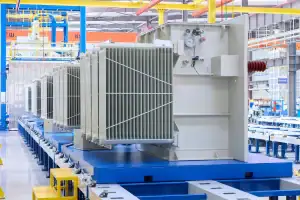
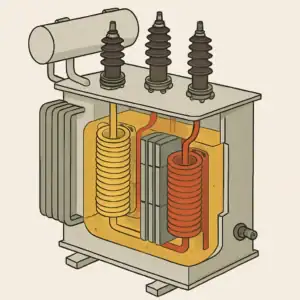
Regular transformer maintenance is the cornerstone of a reliable electrical infrastructure. Just like an automobile requires periodic oil changes and inspections, transformers need scheduled check-ups to ensure all components—from coils and windings to cooling fins and bushings—are functioning as intended. Over time, dust accumulation, moisture ingress, and thermal stress can degrade insulating materials and compromise the device’s performance. By implementing a proactive maintenance schedule, facility managers can identify minor issues before they escalate into major failures, maintaining uninterrupted power delivery and avoiding costly emergency repairs.
Moreover, consistent transformer maintenance enhances operational efficiency and energy savings. A well-maintained transformer operates closer to its optimal design parameters, reducing internal losses and heat build-up. This translates into lower electricity consumption and reduced thermal stress on surrounding equipment. Furthermore, adherence to industry standards and manufacturer recommendations not only extends service life but also safeguards warranties and compliance certifications. Ultimately, investing time and resources into a structured maintenance program pays dividends by delivering improved reliability, safety, and overall return on investment.
Signs of Transformer Wear and Tear
Detecting early warning signs of transformer wear and tear is crucial for effective upkeep. Visual inspections often reveal telltale indications such as oil leaks, rust patches, or corrosion on metal surfaces. Additionally, abnormal sounds—like humming, buzzing, or crackling—could signal loose laminations or degraded windings. Monitoring electrical parameters, including voltage irregularities, excessive load currents, or frequent trips, helps pinpoint emerging faults before they lead to catastrophic failures.
Routine oil analysis is another powerful diagnostic tool for assessing internal health. By sampling transformer oil for dissolved gases, water content, and dielectric strength, technicians can determine whether overheating, arcing, or partial discharges are occurring within the unit. High levels of gases such as hydrogen or ethylene often indicate arcing, while elevated moisture content accelerates insulation breakdown. Early detection through oil testing allows for targeted corrective actions—such as oil filtration, dehydration, or component replacement—thereby enhancing the reliability and longevity of your transformer maintenance strategy.
Cleaning and Ventilating Transformers
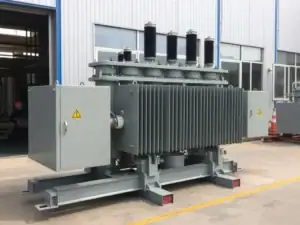
Maintaining a clean exterior and ensuring proper airflow are essential steps in transformer maintenance. Accumulated dust, dirt, and debris can obstruct cooling fins and air paths, leading to inefficient heat dissipation. This extra thermal stress not only accelerates insulation aging but also heightens the risk of hotspots that could precipitate sudden failures. By scheduling regular cleaning—using soft brushes or low-pressure air blowers—operators can preserve the transformer’s ability to shed heat effectively.
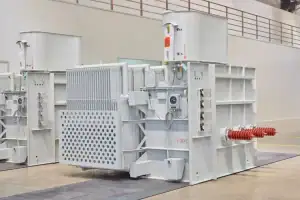
Adequate ventilation around the transformer is equally important. Equipment rooms and outdoor substations should be free of obstructions like stacked pallets, vegetation, or equipment racks that impede airflow. In hot climates or confined spaces, consider installing supplemental fans or improving existing HVAC systems to maintain ambient temperatures within recommended limits. Proper cleaning and ventilation practices work hand in hand with other preventive measures, forming an integrated approach to comprehensive transformer maintenance and operational efficiency.
Testing Transformer Insulation
Insulation integrity is the backbone of safe transformer operation. Over time, dielectric materials degrade due to thermal cycling, moisture ingress, and electrical stresses. Periodic insulation resistance testing—such as the Megger test—provides a quantitative measure of the winding’s ability to withstand voltage without leaking current. Low readings signal compromised insulation that demands immediate attention.
Another advanced diagnostic technique is the polarization index (PI) test, which compares insulation resistance over different time intervals to reveal moisture contamination or chemical deterioration. In addition, partial discharge testing detects microscopic electrical discharges occurring within voids or cracks in the insulation system. These discharges, though often imperceptible, can progressively erode insulating barriers and eventually trigger catastrophic breakdowns. By incorporating a suite of electrical tests into your transformer maintenance plan, you can pinpoint vulnerabilities early and take corrective actions—such as drying, oil replacement, or rewind work—before they jeopardize system reliability.
Monitoring Transformer Temperature
Excessive heat is one of the primary enemies of transformer longevity. Elevated operating temperatures accelerate insulation aging and amplify dielectric losses, reducing overall efficiency. For this reason, continuous temperature monitoring is a critical component of any transformer maintenance program. Modern transformers are often equipped with built-in temperature sensors—such as resistance temperature detectors (RTDs) or thermocouples—placed at strategic points within windings and oil reservoirs.
Data from these sensors can be fed into a supervisory control and data acquisition (SCADA) system, enabling real-time tracking and historical trend analysis. Operators can set alarm thresholds for high-temperature conditions, prompting immediate load adjustments or cooling interventions. Additionally, infrared thermography scans conducted during preventive maintenance visits reveal surface hotspots—areas that might be overheating due to poor connections, clogged cooling channels, or internal faults. By closely monitoring temperature profiles, you ensure optimal operating conditions, minimize energy losses, and extend the effective life span of your transformers.
Conclusion: Longevity Through Proactive Transformer Maintenance
Effective transformer maintenance is not a one-time event but an ongoing commitment to system reliability and efficiency. By understanding the importance of regular inspections, recognizing wear and tear indicators, and performing targeted cleaning, insulation testing, and temperature monitoring, you safeguard against costly downtime and premature failures.
Implementing a structured preventive maintenance schedule will pay off through extended equipment life, energy savings, and uninterrupted power delivery. Embrace these essential transformer maintenance tips today, and you’ll enjoy the confidence that comes from a resilient electrical network built to perform reliably for years to come.


 English
 Français
 Español
 Deutsch