
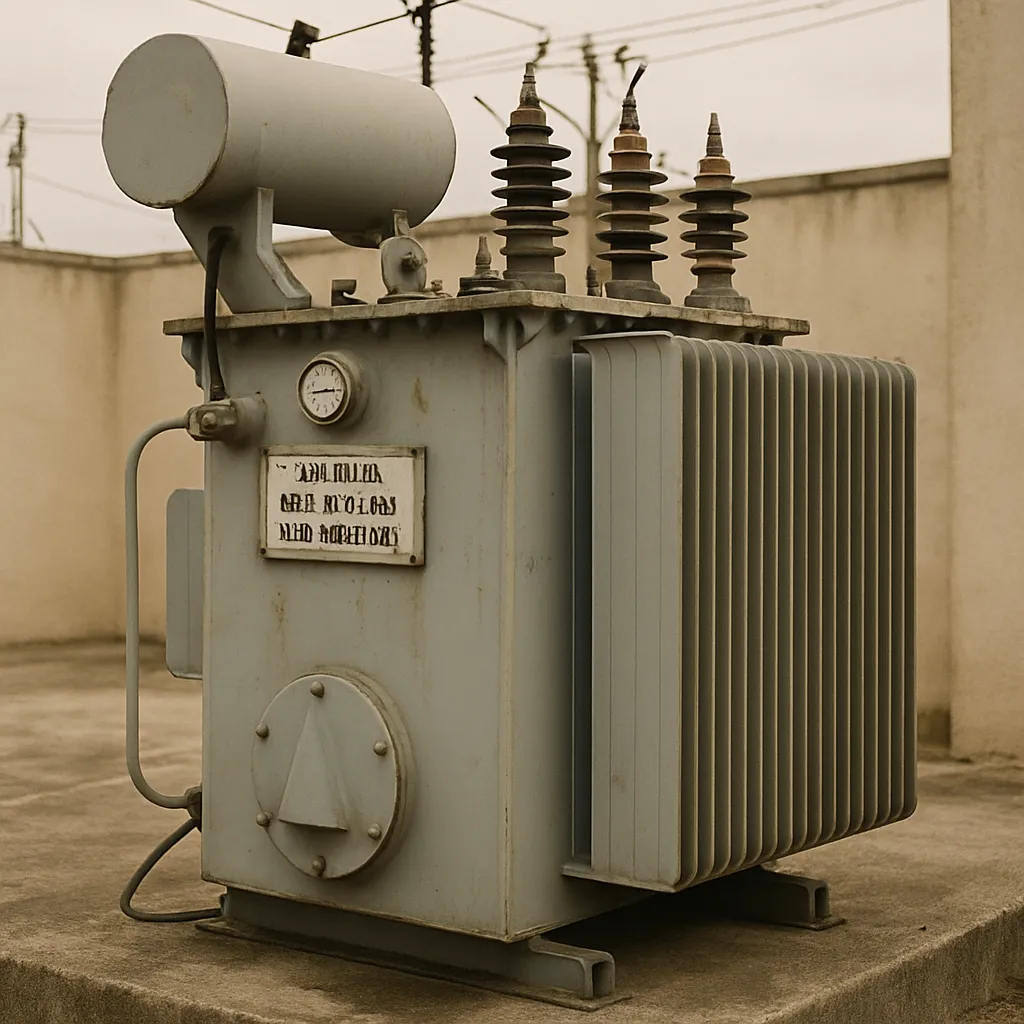
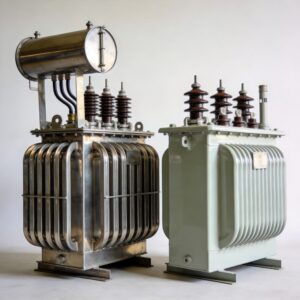
The humming heart of any power distribution network often relies on the robust functionality of oil filled transformers. As these critical components bear the weight of electricity flowing through our cities and industries, one specific aspect demands our attention: the temperature rise within these transformers. It’s not just about maintaining operational efficiency; it’s about prolonging the life of the equipment and ensuring uninterrupted power supply. The stakes are high, as even a slight miscalculation can lead to costly breakdowns or, worse, catastrophic failures.
Understanding the intricacies of oil filled transformer temperature rise can make the difference between a minor hiccup and a major blackout. Consider this: according to industry statistics, temperature fluctuations are a leading cause of transformer malfunctions globally. By diving into the mechanics behind these thermal dynamics, we can unearth both time-tested strategies and innovative practices to mitigate risks. Join us as we explore essential insights and best practices that promise to keep the lights on and the power flowing smoothly.
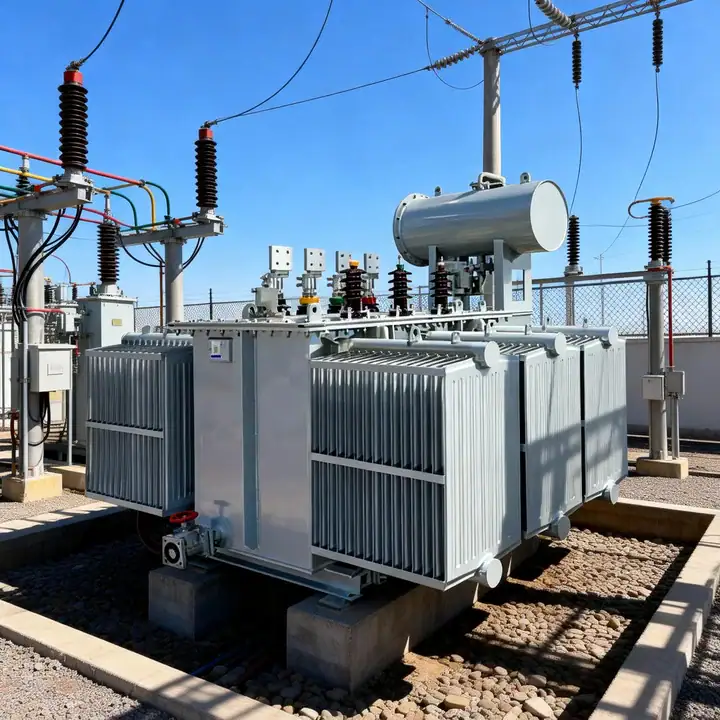
Importance of Monitoring Oil Filled Transformer Temperature Rise
Effective monitoring of oil filled transformer temperature rise is crucial for ensuring the long-term reliability and safety of power distribution systems. When a transformer’s oil and winding temperatures exceed recommended limits, the insulation materials begin to degrade at an accelerated rate. Over time, this degradation can compromise the dielectric strength of the paper and pressboard, increasing the likelihood of partial discharges or internal faults. By keeping a vigilant eye on temperature trends, maintenance teams can schedule timely interventions—such as oil top-up, filter regeneration, or cooling system checks—before issues escalate into unplanned outages or equipment failures.
Beyond protecting the physical integrity of transformer components, temperature monitoring supports operational efficiency and cost-effectiveness. High operating temperatures often correspond with increased energy losses and reduced load capacity. As the transformer gets hotter, its equivalent resistance rises, leading to higher no-load and load losses. These losses translate directly into wasted energy and higher utility bills. Furthermore, frequent temperature excursions can necessitate premature equipment replacement, tying up capital that could have been invested elsewhere. In regulated markets, where stringent reliability metrics must be met, proactive temperature management can mean the difference between meeting contractual obligations and facing hefty penalties or reputational damage.
Temperature Rise Standards and Guidelines in the Industry
Industry standards provide the blueprint for acceptable operating limits of oil filled transformer temperature rise. Organizations such as the IEEE and IEC have established guidelines that specify maximum hot-spot temperature allowances, usually capped at 110°C for mineral oil and 120°C for gradually aging insulation systems. These thresholds incorporate safety margins to account for variations in ambient conditions, load cycling, and measurement uncertainties. Adherence to these standards ensures a balance between performance and longevity, helping utilities avoid the risks associated with overloading or insufficient cooling.
Regular testing and certification are also integral to compliance. Factory acceptance tests (FAT) and routine on-site thermal assessments often employ thermocouples, resistance thermometers, or infrared imaging to verify that measured temperature rises align with the nameplate ratings. In some regions, regulatory bodies mandate annual or biennial inspections, requiring detailed thermal profiling reports. Utilities that neglect these requirements not only jeopardize grid stability but may also face fines or restrictions on transformer loading. By keeping abreast of evolving standards and incorporating them into asset management plans, operators can safeguard both equipment health and regulatory standing.
Strategies for Efficient Cooling of Oil-Filled Transformers
Optimizing the cooling system is paramount to controlling oil filled transformer temperature rise and maintaining peak performance. Traditional designs rely on natural convection of oil (ONAN – oil natural, air natural) to dissipate heat, which works well for small to medium-sized units under moderate loads. However, as load demands increase, passive cooling might prove insufficient. In such cases, forced oil circulation (OFAF – oil forced, air forced) or incorporation of external radiators and fans can significantly enhance heat transfer rates. The choice of cooling arrangement should align with load profiles, ambient temperature ranges, and site constraints to deliver reliable temperature control.
Regular maintenance of cooling components is equally vital. Finned radiators, cooling tubes, and external fans accumulate dust, debris, and corrosion over time, which degrade heat exchange efficiency. Cleaning and corrosion treatment must be scheduled to prevent insulating film buildup that impedes airflow or oil circulation. Additionally, replacing aging seals and checking for oil leaks helps maintain the correct oil volume and pressure differential, ensuring the cooling circuit performs as designed. For oil filled transformers in harsh or remote environments, hybrid cooling approaches—combining liquid coolants or phase-change materials—can offer enhanced stability without significantly increasing complexity.
Innovative Technologies for Temperature Monitoring and Control
Advancements in sensor technology and digital communications have revolutionized how we track and respond to oil filled transformer temperature rise. Internet of Things (IoT)-enabled thermal sensors provide continuous, real-time data streams directly to centralized monitoring platforms. These systems can detect subtle deviations from expected temperature profiles, triggering alerts or automated corrective actions—such as ramping up fan speeds or activating auxiliary pumps—without human intervention. The ability to visualize historical and live data on dynamic dashboards empowers engineers to fine-tune operating parameters and forecast maintenance needs with unprecedented accuracy.
Beyond IoT sensors, machine learning algorithms are being integrated into oil filled transformer management systems to predict temperature behaviors under varying load and weather conditions. By training models on vast datasets of operating histories, these predictive analytics tools can generate early warnings of potential hotspots or cooling inefficiencies before they develop into critical issues. In parallel, digital twins—virtual replicas of physical transformers—allow operators to simulate “what-if” scenarios, testing the impact of load increases, cooling upgrades, or oil replacements in a risk-free environment. Together, these innovations enhance situational awareness, improve decision-making speed, and extend the service life of assets across the grid.
Conclusion: Ensuring Reliable Performance Through Temperature Management
Maintaining tight control over oil filled transformer temperature rise is essential for safeguarding equipment integrity, optimizing efficiency, and avoiding costly disruptions. By monitoring thermal behavior in real time, adhering to established standards, and implementing robust cooling strategies, operators can significantly extend transformer lifespan and ensure uninterrupted power delivery.
Leveraging cutting-edge technologies—from IoT sensors to predictive analytics—further enhances our ability to detect and address temperature anomalies before they escalate. A proactive approach to temperature management not only reduces unplanned outages but also supports sustainable and cost-effective grid operations.



 English
 Français
 Español
 Deutsch