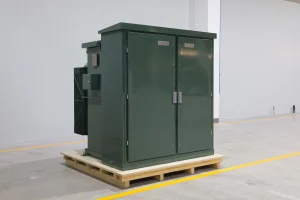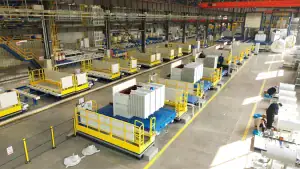
In the ever-evolving landscape of the energy sector, the role of power transformers is nothing short of critical. They stand as the silent workhorses, ensuring that electricity flows smoothly from power plants to industries and households. But have you ever stopped to consider the intricate engineering and innovation driving these essential devices? As we pull back the curtain on power transformer manufacturer excellence, prepare to discover the brands leading the charge and the groundbreaking innovations transforming the industry. These developments aren’t just technical marvels; they’re game-changers in efficiency, sustainability, and safety.
Amidst a growing demand for renewable energy sources and smart grid technology, manufacturers are racing to create transformers that not only meet these new challenges but also anticipate future needs. Imagine transformers that not only minimize energy loss but also incorporate IoT technology for smarter, predictive maintenance. This isn’t a far-off dream; it’s the reality that leading power transformer manufacturers are crafting today. Join us as we delve into this world of cutting-edge technology and identify the companies setting new benchmarks in innovation and excellence. From revolutionary design strategies to sustainable production processes, this exploration promises insights that redefine what it means to be at the forefront of electrical engineering.

Evolution of Power Transformer Technology
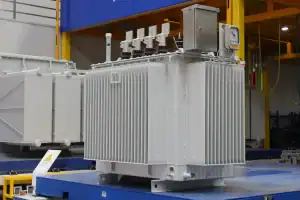
The story of the power transformer manufacturer begins in the late 19th century, when engineers first harnessed electromagnetic induction to step voltages up and down for efficient power transmission. Early models relied on bulky iron cores and handmade copper windings, limiting their scale and efficiency. As electricity grids expanded, manufacturers responded by refining core lamination techniques to reduce eddy currents and heat loss. Over time, oil-immersed transformers became the industry standard, using insulating oil to improve cooling and prolong lifespan. Each generational leap—from open core-shell designs to hermetically sealed units—was driven by the imperative to transmit more power over longer distances with minimal losses.
Moving into the mid-20th century, transformer technology matured alongside advances in material science. Silicon steel alloys and higher-grade insulating materials allowed power transformer manufacturers to handle greater voltages and currents without sacrificing reliability. The advent of three-phase transformers further optimized grid operations, reducing capital and maintenance costs. By the dawn of the digital age, simulation software enabled precise modeling of electromagnetic fields and thermal behavior, dramatically accelerating design cycles. Today’s manufacturers leverage computational fluid dynamics (CFD) and finite element analysis (FEA) to create transformers that are lighter, more compact, and more robust than ever before.
Innovations Driving Efficiency in Power Transformers
In recent years, efficiency has become the hallmark of top-tier power transformer manufacturers. One major breakthrough is the use of amorphous metal cores. Unlike traditional silicon steels, amorphous alloys exhibit exceptionally low hysteresis losses—often reducing no-load losses by up to 70%. This translates into significant energy savings for utilities operating large transformer fleets. Additionally, manufacturers are experimenting with nanocrystalline materials, which offer high magnetic permeability and even lower core losses, albeit at a higher material cost. By integrating these advanced cores, the latest transformers can achieve unprecedented levels of operational efficiency without compromising durability.
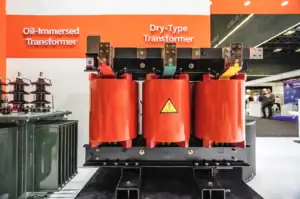
Another frontier in efficiency innovations is intelligent monitoring and control. Embedded sensors track parameters like winding temperature, dissolved gas levels, and moisture content in real time. Coupled with IoT-enabled analytics platforms, these devices empower operators to optimize load distribution and cooling strategies, minimizing energy waste. Power transformer manufacturers are also adopting 3D epoxy cast resin systems for dry-type transformers in sensitive environments, eliminating the need for oil and reducing stray losses. When combined with advanced cooling technologies—such as directed oil flow channels and phase-change materials—these innovations ensure that transformers run cooler and more reliably, while cutting energy consumption across the grid.
Sustainable Production Processes in Power Transformer Manufacturing
As environmental regulations tighten and corporate social responsibility gains prominence, leading power transformer manufacturers are overhauling their production processes to minimize ecological impact. One key strategy is the switch to biodegradable insulating fluids, such as ester-based and natural ester oils. These alternatives not only match the dielectric performance of mineral oil but also boast superior fire safety and biodegradability. During manufacturing, companies are investing in closed-loop systems to capture and recycle process water, while using renewable energy—like solar or wind—on factory roofs to lower greenhouse gas emissions. The integration of life-cycle assessment (LCA) tools helps manufacturers quantify carbon footprints and identify hotspots for further improvement.
Supply chain sustainability has also become critical. Top power transformer manufacturers vet their raw material suppliers for ethical mining practices and conflict-free sourcing. They strive to increase recycled copper and steel content in windings and cores, closing the materials loop without compromising quality. Some firms have even implemented take-back programs to refurbish or recycle end-of-life transformers, ensuring that valuable metals and insulating fluids are recovered rather than consigned to landfill. By embedding sustainability into every stage—from design and procurement to assembly and end-of-life management—these manufacturers demonstrate that environmental stewardship and industrial excellence can go hand in hand.
Enhancing Safety Features in Modern Power Transformers
Safety is paramount in power transformer design, as failures can lead to catastrophic consequences including fires, explosions, and extended grid outages. To mitigate these risks, power transformer manufacturers are incorporating advanced protective features into new models. Online dissolved gas analysis (DGA) sensors continuously monitor for fault gases—such as hydrogen and acetylene—indicating early stages of winding or insulation degradation. Rapid detection enables operators to schedule maintenance before minor issues escalate into major failures. Additionally, pressure relief devices and explosion vents are engineered to direct fault energy away from critical components, reducing the chance of collateral damage.
Beyond mechanical safeguards, cybersecurity has emerged as a critical safety dimension. As transformers become smart and connected, they are vulnerable to hacking attempts that can manipulate control systems or disable protective relays. Leading manufacturers now embed secure firmware, encrypted communications, and multi-factor authentication into their IoT platforms. Fire-resistant bushings and porcelain housings are being replaced with composite materials that withstand higher fault currents and thermal stresses. Together, these measures ensure that modern transformers not only meet stringent electrical standards but also adhere to the highest benchmarks for operational and digital safety.
Conclusion: Redefining Excellence in Power Transformer Manufacturing
From the earliest iron-core designs to today’s digitally driven, eco-conscious models, the journey of the power transformer manufacturer has been one of relentless innovation. Efficiency gains, sustainable practices, and advanced safety systems are no longer optional—they are essential hallmarks of industry leadership.
As utilities and developers worldwide embrace renewable energy and smart grid solutions, the next generation of transformers will continue to push the boundaries of performance and reliability. By championing new materials, intelligent monitoring, and green production processes, leading manufacturers are truly redefining excellence in power transformer manufacturing.