
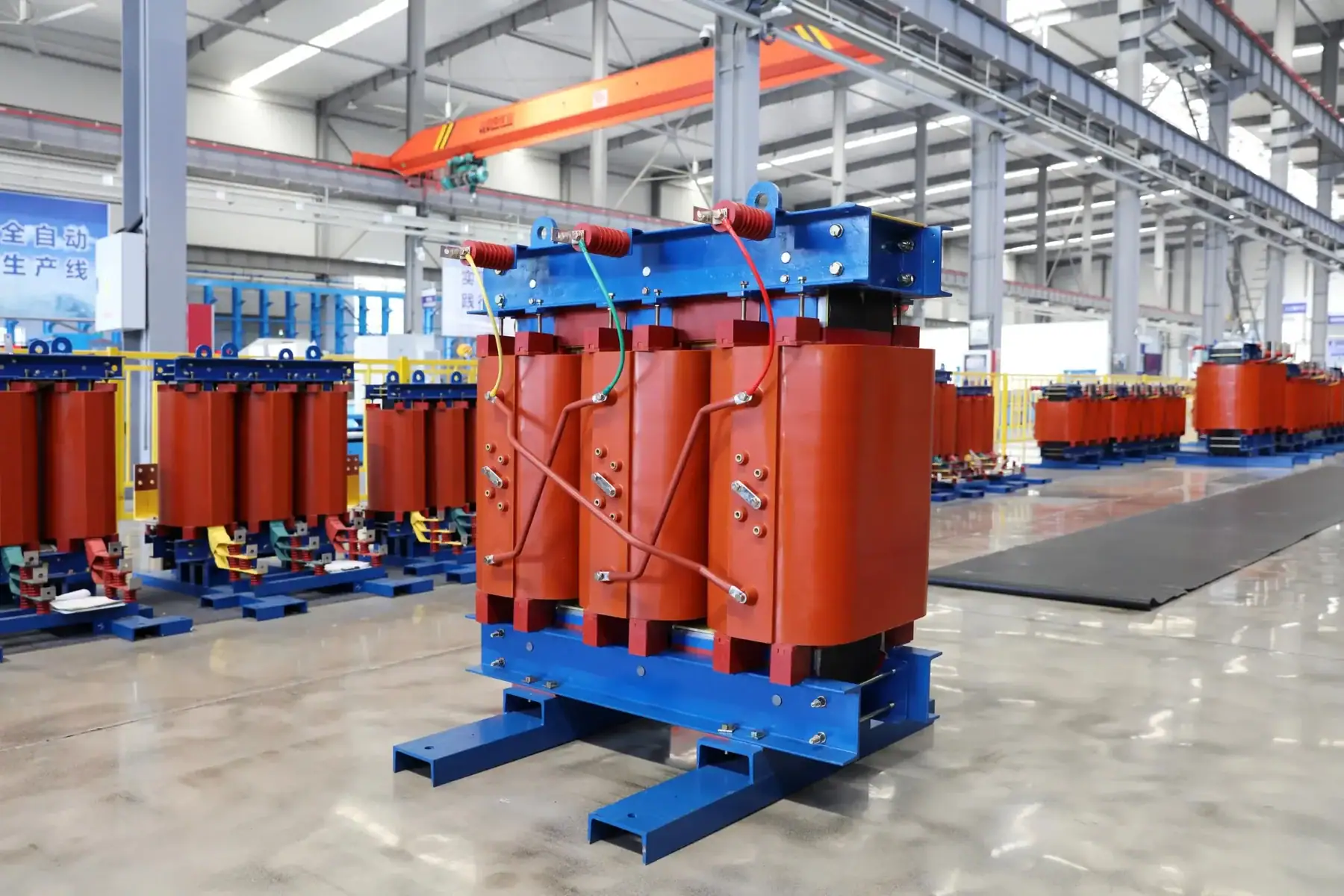
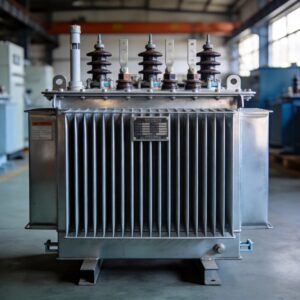
Dry type transformers are a type of electrical transformer that does not use any liquid for insulation or cooling. Instead, they rely on air circulation to dissipate heat. This makes them a safe and environmentally friendly option, especially in areas where liquid leakage could pose a risk. The absence of oil or other cooling liquids not only reduces the potential for hazardous spills but also eliminates the need for secondary containment structures, simplifying the installation process.

Features of Dry Type Transformers
Dry type transformers come with several key features:
- Safety: Since they do not use oil or other liquids, there is no risk of leaks or spills, making them a safer choice for indoor installations. This feature is particularly critical in settings where flammable materials are present, or in underground and enclosed spaces where ventilation is limited.
- Low Maintenance: These transformers require less maintenance compared to their oil-filled counterparts, reducing downtime and maintenance costs. With fewer components subject to wear and tear, the likelihood of unexpected failures is minimized, ensuring a more reliable power supply.
- Environmentally Friendly: The absence of oil eliminates the risk of contamination, making them a green choice for modern installations. Additionally, their design supports recycling and disposal processes that have minimal environmental impact, aligning with sustainability goals.
The Importance of 2.4kV Medium Voltage Transformers
Medium voltage transformers, such as the 2.4kV dry type, are essential in stepping down voltages from higher levels to those usable by commercial and industrial applications. They are a vital component in power distribution systems, providing an efficient and safe means of delivering electricity. By facilitating the transition from high to medium voltage, they help maintain grid stability and ensure the consistent performance of electrical equipment.
Applications of 2.4kV Transformers
These transformers are widely used in:
- Commercial Buildings: Providing power to office buildings, shopping malls, and other commercial establishments. In such environments, the transformers help maintain a consistent power supply that supports lighting, HVAC systems, and other critical infrastructure.
- Industrial Facilities: Supporting manufacturing plants, processing units, and other industrial operations. Here, transformers ensure that machinery operates efficiently, reducing the risk of production delays and equipment damage.
- Renewable Energy Projects: Facilitating the integration of solar and wind energy systems into the grid. They play a crucial role in converting and stabilizing the electricity generated by renewable sources, making clean energy more accessible and reliable.

Advantages of MV Dry Type Transformers
Medium voltage (MV) dry type transformers offer several advantages that make them a preferred choice for many applications.
Enhanced Safety
The lack of flammable liquids in these transformers reduces the risk of fire hazards, making them ideal for installations in densely populated or environmentally sensitive areas. This safety feature is particularly important in urban settings where space is limited, and the consequences of a fire could be severe. Additionally, their robust design ensures that they can withstand electrical surges and other potential hazards without compromising safety.
Durability and Longevity
Constructed with robust materials and advanced design techniques, MV dry type transformers are built to withstand harsh operating conditions, ensuring a long service life with minimal maintenance. Their durability makes them a cost-effective choice over the long term, as they require fewer replacements and repairs. Furthermore, their ability to operate efficiently in extreme temperatures and adverse environmental conditions makes them versatile across different geographic locations.
Efficiency in Power Distribution
These transformers are designed to minimize energy losses during the voltage transformation process, improving the overall efficiency of power distribution networks. By reducing energy waste, they contribute to lower operational costs and support sustainability initiatives. Their efficient performance also helps reduce the carbon footprint associated with electrical distribution, aligning with global efforts to combat climate change.
Cast Resin Transformers: A Subcategory

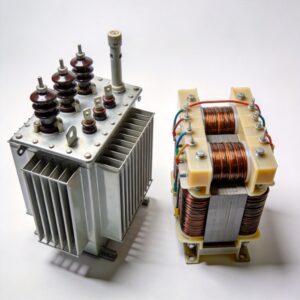
Cast resin transformers are a specific type of dry type transformer that uses epoxy resin to encapsulate the windings. This offers additional protection from environmental factors such as moisture, dust, and corrosive substances. The resin encapsulation not only enhances durability but also provides a level of mechanical strength that can withstand physical impacts and vibrations.
Benefits of Cast Resin Transformers
- Moisture Resistance: The resin encapsulation provides excellent protection against moisture, making it suitable for outdoor installations and humid environments. This feature is critical in regions prone to heavy rainfall or high humidity, where moisture could otherwise compromise transformer performance.
- Reduced Noise Levels: These transformers operate quietly, which is a significant advantage in noise-sensitive areas. This makes them ideal for use in residential neighborhoods, schools, and hospitals where maintaining a low noise profile is essential.
- Compact Design: The compact size of cast resin transformers makes them easy to install in confined spaces. Their reduced footprint is advantageous in urban settings where space is at a premium and allows for greater flexibility in installation planning.
Selecting the Right Transformer for Your Needs
When choosing a transformer, several factors need to be considered to ensure it meets your specific requirements.
Load Requirements
Assess the electrical load that the transformer will need to handle. This will determine the transformer’s capacity and ensure it can efficiently manage the demand without overheating. An accurate assessment of load requirements prevents overloading, which can lead to equipment failure and increased maintenance costs.
Environmental Conditions
Consider the environmental conditions where the transformer will be installed. Dry type transformers, especially those with cast resin, are well-suited for harsh environments due to their resistance to contaminants and moisture. Factors such as temperature fluctuations, humidity levels, and exposure to chemicals should influence your choice to ensure optimal performance and longevity.
Regulatory Compliance
Ensure that the transformer complies with local and international standards for safety and performance. This is crucial for legal compliance and to ensure the installation meets the necessary safety requirements. Compliance with standards such as IEC, ANSI, and IEEE also reassures customers and stakeholders about the quality and reliability of the electrical infrastructure.
The Future of Dry Type Transformers
As technology advances, dry type transformers continue to evolve, offering improved efficiency, safety, and environmental benefits. Innovations in materials and design are enhancing their performance, making them an increasingly popular choice for modern electrical distribution systems. The adoption of digital technologies and smart grid integration is further transforming the landscape, offering real-time monitoring and predictive maintenance capabilities.
Trends to Watch
- Smart Transformers: Integration of digital monitoring and control systems to optimize performance and maintenance. These systems provide valuable data insights, allowing for proactive management and reducing downtime.
- Sustainable Materials: Development of eco-friendly materials to further reduce environmental impact. Advancements in recyclable and biodegradable materials are paving the way for a more sustainable future in electrical infrastructure.
- Enhanced Energy Efficiency: Ongoing improvements in design to minimize energy losses. Innovations in core materials and winding techniques are leading to lower energy consumption and enhanced performance metrics.
Conclusion
Dry type 2.4kV medium voltage transformers are a reliable and safe solution for a wide range of electrical distribution applications. Their advantages in terms of safety, maintenance, and environmental impact make them a preferred choice for many installations. As the demand for efficient and sustainable power distribution grows, these transformers will continue to play a crucial role in meeting the energy needs of the future.
By understanding the features and benefits of these transformers, you can make informed decisions when selecting the right equipment for your power distribution system, ensuring reliable and efficient operation. Their ability to adapt to various settings, combined with ongoing technological advancements, positions them as key components in the evolution of electrical distribution infrastructures worldwide.

 English
 Français
 Español
 Deutsch