
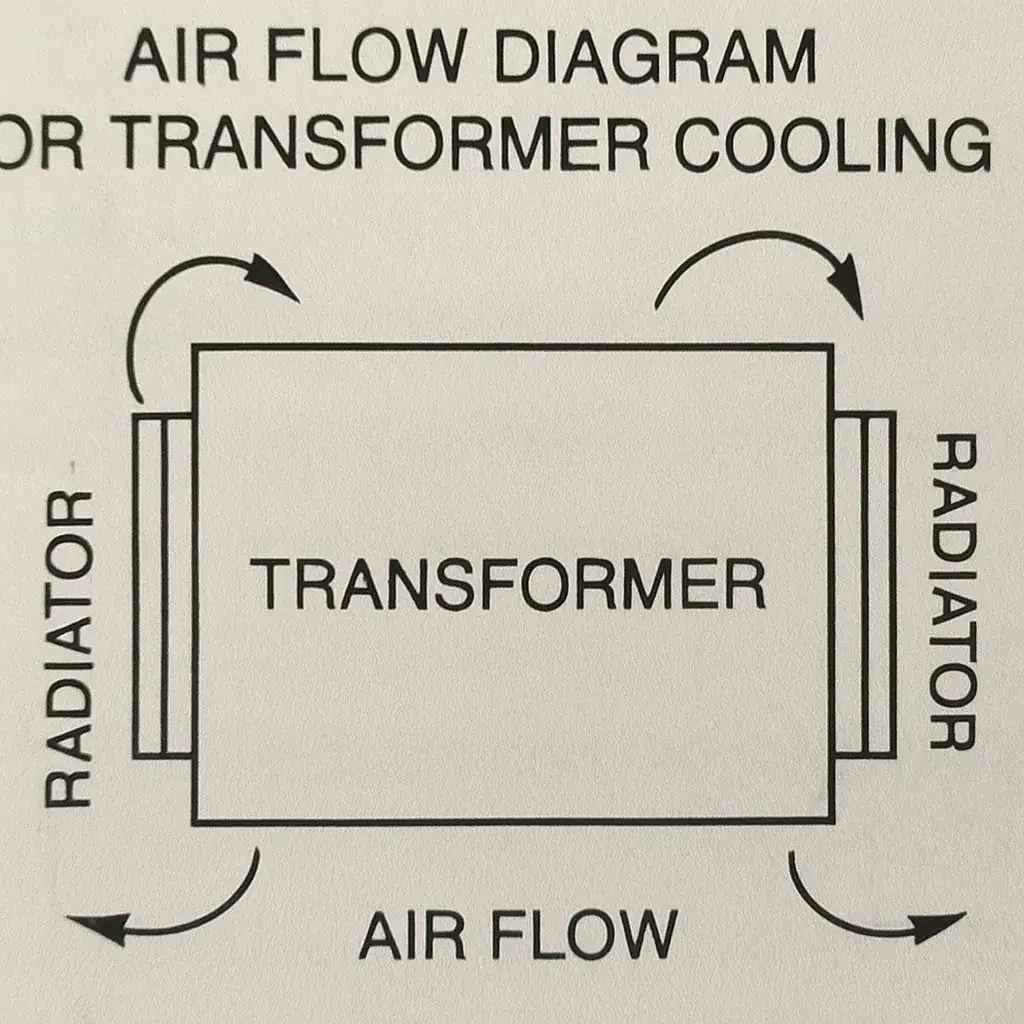
Understanding the cooling system of a dry type transformer is essential for ensuring its efficiency and longevity. In this article, we will explore the various methods of heat dissipation used in dry type transformers, focusing on forced air cooling, cast resin transformer cooling, and other effective techniques.

A dry type transformer is an electrical device that transfers electrical energy between circuits using electromagnetic induction, without the use of any liquid coolant. Unlike oil-filled transformers, dry type transformers rely on air for insulation and cooling, making them ideal for indoor applications and environments where fire safety is a priority.
Importance of Cooling in Dry Type Transformers
Efficient heat dissipation is crucial in preventing overheating, which can lead to reduced efficiency, potential damage, and a shorter lifespan of the transformer. Various cooling systems are employed to ensure that dry type transformers operate within safe temperature limits.
Heat Dissipation in Dry Type Transformers
Dry type transformers generate heat during operation, primarily due to electrical resistance and magnetic losses. If this heat is not effectively dissipated, it can increase the temperature of the transformer, leading to insulation breakdown and potential failure.
Cooling Methods for Dry Type Transformers

Several cooling methods are used to maintain the optimal operating temperature of dry-type transformers. Let’s explore some of the most common techniques.
Natural Air Cooling (AN)
Natural air cooling, also known as Air Natural (AN) cooling, is the simplest method used in dry-type transformers. In this method, the heat generated by the transformer is dissipated naturally into the surrounding air. The design of the transformer includes ventilated enclosures that allow air to flow freely around the coils and core, facilitating heat dissipation.
This method is effective for small to medium-sized transformers that do not generate excessive heat. However, its efficiency may decrease in environments with high ambient temperatures or limited air circulation.
Forced Air Cooling (AF)
Forced air cooling, or Air Forced (AF) cooling, is an enhanced cooling method that uses fans or blowers to increase airflow around the transformer. This method is particularly useful for larger transformers or those operating in conditions where natural air cooling is insufficient.
The fans are strategically placed to direct air over the transformer coils and core, significantly improving the rate of heat dissipation. Forced air cooling is a popular choice for ensuring that dry transformers remain within safe operating temperatures.
Cast Resin Transformer Cooling
Cast resin transformers are a type of dry transformer that uses epoxy resin to encapsulate the windings, providing excellent insulation and protection against moisture and dust. The cooling system for cast resin transformers typically involves the use of natural or forced air cooling, similar to other dry transformers.
The epoxy resin helps in evenly distributing the heat generated, allowing for efficient heat dissipation through the surrounding air. This design makes cast resin transformers ideal for environments with high humidity or pollution, where traditional dry transformers might struggle.
Air Cooled Dry Transformer
Air-cooled dry transformers rely on air as the primary medium for cooling. This category includes both naturally cooled and forced air-cooled systems. The choice between natural and forced air cooling depends on factors such as transformer size, ambient temperature, and installation environment.
Advantages of Dry Type Transformer Cooling Systems

Dry-type transformer cooling systems offer several advantages, making them a preferred choice in many applications:
- Safety: Without oil or other liquid coolants, dry-type transformers eliminate the risk of leaks and fires, enhancing safety, especially in indoor installations.
- Low Maintenance: Dry transformers require less maintenance compared to oil-filled transformers, as they do not need regular oil checks or replacements.
- Environmentally Friendly: The absence of oil or other coolants makes dry-type transformers more environmentally friendly, with no risk of soil or water contamination.
- Durability: With effective cooling methods, dry-type transformers can have a long lifespan, even in challenging environments.
Factors Influencing Cooling System Choice
When selecting a cooling system for a dry type transformer, several factors should be considered:
- Transformer Size: Larger transformers may require forced air cooling to effectively manage heat dissipation.
- Ambient Temperature: In high-temperature environments, forced air cooling might be necessary to maintain safe operating temperatures.
- Installation Location: Enclosed or poorly ventilated spaces might benefit from enhanced cooling methods to ensure efficient heat dissipation.
- Cost Considerations: While forced air cooling provides better efficiency, it may involve additional costs for fan installation and energy consumption.
FAQ
1. What are cooling systems for dry type transformers?
Cooling systems for dry type transformers are designed to dissipate heat generated during operation, helping maintain safe temperatures, improve efficiency, and extend transformer lifespan.
2. Why are cooling systems important for dry type transformers?
Effective cooling systems for dry type transformers help prevent overheating, reduce insulation aging, maintain stable performance, and increase the transformer’s load-carrying capability.
3. What are the main cooling methods used in dry type transformers?
The most common cooling systems for dry type transformers include:
- AN (Air Natural) – natural air circulation
- AF (Air Forced) – forced-air cooling using fans
- Specialized ventilation systems for large installations
4. How does Air Natural (AN) cooling work?
In AN cooling systems, heat generated by the transformer is dissipated naturally through surrounding air without mechanical assistance. This is the most common cooling method for standard dry type transformers.
5. What is Air Forced (AF) cooling?
AF cooling uses electric fans to increase airflow around transformer windings and cores. These cooling systems for dry type transformers can significantly increase transformer capacity and improve heat dissipation.
Conclusion
Understanding the cooling system of dry type transformers is crucial for ensuring their optimal performance and longevity. Whether using natural air cooling, forced air cooling, or specialized systems for cast resin transformers, the right cooling method can prevent overheating and enhance the transformer’s efficiency.
By considering factors such as transformer size, ambient conditions, and installation environment, you can choose the most suitable cooling method to meet your needs. With the right cooling system in place, dry type transformers can provide reliable, safe, and efficient service for years to come.

 English
 Français
 Español
 Deutsch