
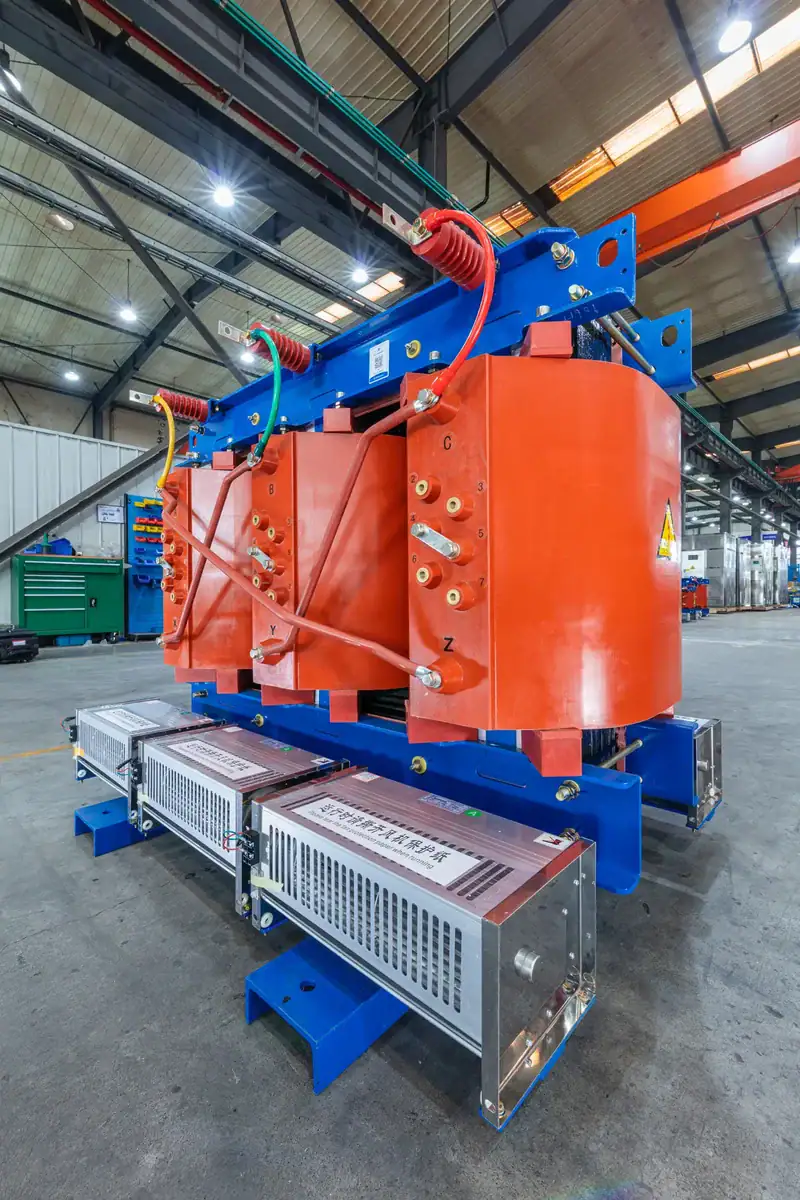
In the world of electrical distribution equipment, transformers play a crucial role in managing voltage levels for safe and efficient power distribution. Among the different types of transformers, dry type transformers have gained popularity for various applications, particularly in indoor settings. This article explores the benefits and advantages of dry type transformers, comparing them to oil-filled transformers, and discussing their applications and safety features.
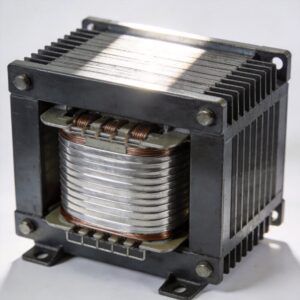
A dry type transformer is a type of electrical transformer that uses air instead of liquid to cool its internal components. Unlike oil-filled transformers, dry type transformers do not use any liquid insulation. Instead, they rely on materials like cast resin to insulate their windings. This design makes them suitable for indoor applications where fire safety and environmental concerns are critical.

Benefits of Dry Type Transformers
Low Maintenance Requirements
One of the most significant advantages of dry type transformers is their low maintenance requirements. Since they do not contain oil or other liquid coolants, there is no need for regular oil testing or replacement. This makes them a cost-effective choice in the long run, as they require less frequent inspections and servicing compared to their oil-filled counterparts.
Fire Safety Advantages
Dry type transformers are inherently safer when it comes to fire risks. The absence of flammable oil reduces the chances of fire hazards, making them a preferred choice for indoor applications, such as commercial buildings, hospitals, and educational institutions. This fire-resistant property also makes dry type transformers ideal for installations in densely populated urban areas.

Environmental Friendliness
Unlike oil-filled transformers, dry type transformers do not pose a risk of oil leaks or spills that can contaminate the environment. The use of non-toxic and biodegradable materials in their construction makes them an environmentally friendly option. This benefit aligns with the growing emphasis on sustainable and eco-friendly practices in modern industries.
Durability and Reliability
Dry type transformers are designed to withstand harsh environmental conditions. Their robust construction and use of high-quality insulation materials ensure long-term reliability and durability. They can operate efficiently in areas with high levels of dust, moisture, and pollution, making them suitable for various industrial and commercial applications.
Comparing Dry Type and Oil-Filled Transformers
Cooling Methods
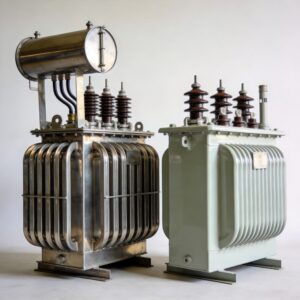
The primary difference between dry type and oil-filled transformers lies in their cooling methods. Oil-filled transformers use oil as a coolant and insulating medium, which helps dissipate heat generated during operation. On the other hand, dry type transformers rely on air circulation or specialized insulation materials to manage heat dissipation.
Installation and Space Requirements
Dry type transformers are generally more compact and easier to install compared to oil-filled transformers. Their reduced weight and size make them suitable for installations in confined spaces, such as basements or rooftops, where space is limited. Additionally, the absence of oil tanks and associated piping simplifies their installation process.
Cost Considerations
While dry type transformers may have a higher initial cost compared to oil-filled transformers, their lower maintenance requirements and longer lifespan often offset this difference. The absence of oil testing and replacement, along with reduced fire risk, contributes to lower operational costs over time.
Applications of Dry Type Transformers
Indoor Installations
Due to their fire-resistant properties and compact design, dry type transformers are ideal for indoor installations. They are commonly used in commercial buildings, shopping malls, hospitals, schools, and data centers, where safety and space constraints are paramount.
Sensitive Environments
Dry type transformers are well-suited for environments where contamination or chemical exposure is a concern. Industries like pharmaceuticals, food processing, and electronics manufacturing often utilize these transformers to ensure clean and safe operations.
Renewable Energy Systems
With the increasing adoption of renewable energy sources like solar and wind power, dry type transformers have found applications in green energy systems. Their ability to operate efficiently in harsh environmental conditions makes them suitable for outdoor installations in renewable energy projects.
Conclusion
Dry type transformers offer numerous benefits, making them a reliable and efficient choice for various electrical distribution applications. Their low maintenance requirements, fire safety advantages, and environmental friendliness make them an attractive option for both indoor and sensitive environments. While they may have a higher upfront cost, the long-term savings and safety features often justify the investment.
As industries continue to prioritize sustainability and safety, dry type transformers are likely to play an increasingly important role in modern electrical distribution systems. Whether for commercial buildings, industrial facilities, or renewable energy projects, the advantages of dry type transformers make them a valuable asset in ensuring efficient and safe power distribution.

 English
 Français
 Español
 Deutsch