

In the world of electrical engineering, transformers play a vital role in distributing electricity safely and efficiently. One type of transformer that is gaining popularity due to its unique advantages is the dry type transformer. But what exactly does it mean, and how does it differ from other types of transformers? In this article, we’ll delve into the definition, features, benefits, and applications of dry type transformers, providing a comprehensive understanding of their role in modern electrical systems.

Understanding the Basics: Transformer Definition
Before we focus on dry type transformers specifically, it’s important to understand what a transformer is in general. A transformer is an electrical device that transfers electrical energy between two or more circuits through electromagnetic induction. Its primary function is to increase (step up) or decrease (step down) voltage levels to suit different applications, ensuring that electrical systems operate efficiently and safely.
Transformers are crucial for electricity distribution in homes, industries, and various infrastructures. They enable the transmission of electrical power over long distances and adjust voltage levels to meet specific requirements of different devices and machinery.
What is a Dry Type Transformer?
Dry Type Transformer Definition
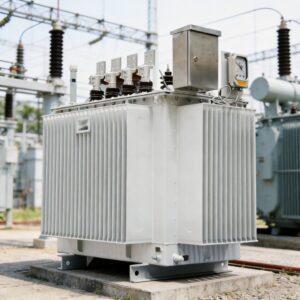
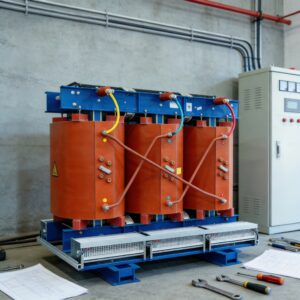
A dry type transformer is a type of transformer that uses air instead of liquid to cool its components. Unlike oil-filled transformers, dry type transformers do not have any oil or other liquid insulating materials. This makes them a safer and more environmentally friendly option for indoor and confined space applications.
Dry Transformer Meaning
The term “dry” refers to the absence of liquid insulation. Instead, these transformers use air as a cooling medium, relying on natural ventilation or forced air circulation to dissipate heat. This characteristic is why they are also known as air-cooled transformers.

Features of Dry Type Transformers
Low-Maintenance Transformer
One of the most appealing features of dry type transformers is their low maintenance requirements. Since there is no oil to leak or degrade, these transformers require less frequent inspections and servicing, reducing the overall maintenance costs. This characteristic makes them an ideal choice for installations where maintenance accessibility is limited or costly.
Oil-Free Transformer
As mentioned earlier, dry type transformers do not use oil as a cooling or insulating medium. This eliminates the risk of oil leaks, spills, and associated fire hazards, making them a safer option for indoor use and locations where fire safety is a primary concern.
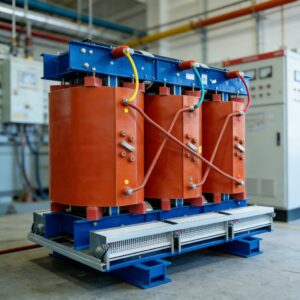
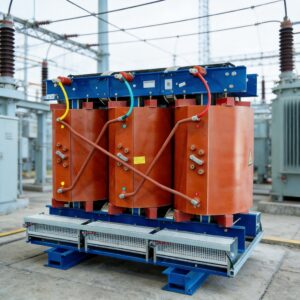
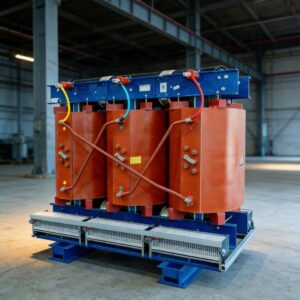
Cast Resin Transformer Definition
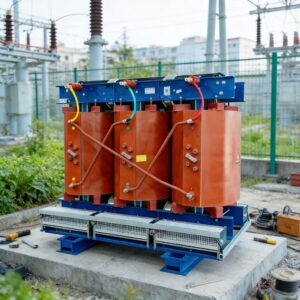
A specific kind of dry type transformer is the cast resin transformer. In this design, the windings are encapsulated in epoxy resin, providing excellent insulation and protection against environmental contaminants like dust and moisture. This makes cast resin transformers particularly suitable for harsh environments or places with high humidity levels.
Benefits of Dry Type Transformers
Indoor Transformer Use
Dry type transformers are well-suited for indoor applications due to their safety and environmental benefits. They can be installed in schools, hospitals, commercial buildings, and other indoor locations without the need for special fire-suppression systems or containment measures required for oil-filled transformers.
Environmentally Friendly
The absence of oil and the use of air as a cooling medium make dry type transformers an eco-friendly choice. They reduce the risk of soil and water contamination that can occur with oil-filled transformers, thus contributing to a cleaner and safer environment.
Enhanced Safety
With no oil to ignite, dry type transformers significantly reduce the risk of fires and explosions. This enhanced safety makes them a preferred choice for installations where human safety and asset protection are of utmost importance.
Applications of Dry Type Transformers
Dry type transformers are versatile and can be used in a wide range of applications. Some of the common uses include:
- Commercial and Residential Buildings: Ideal for indoor installations where safety and low maintenance are essential.
- Industrial Facilities: Suitable for environments with high levels of dust, moisture, or corrosive elements, thanks to the protective resin encapsulation.
- Renewable Energy Systems: Often used in wind and solar power installations due to their ability to withstand harsh environmental conditions.
- Public Infrastructure: Utilized in subways, airports, and other public facilities where safety and reliability are critical.

Conclusion
Dry type transformers are an integral part of modern electrical systems, offering a safe, reliable, and environmentally friendly solution for voltage transformation. Their low maintenance requirements, enhanced safety features, and versatility in various applications make them a valuable asset in both urban and industrial settings.
As technology advances and the demand for sustainable solutions grows, dry type transformers will continue to play a crucial role in the efficient and safe distribution of electricity. Whether you’re considering an upgrade to your current electrical system or planning a new installation, understanding the benefits and applications of dry type transformers can guide you in making informed decisions that align with your safety and sustainability goals.
By choosing dry type transformers, you’re not just opting for a cost-effective and low-maintenance solution; you’re also contributing to a safer and more environmentally responsible future.

 English
 Français
 Español
 Deutsch