
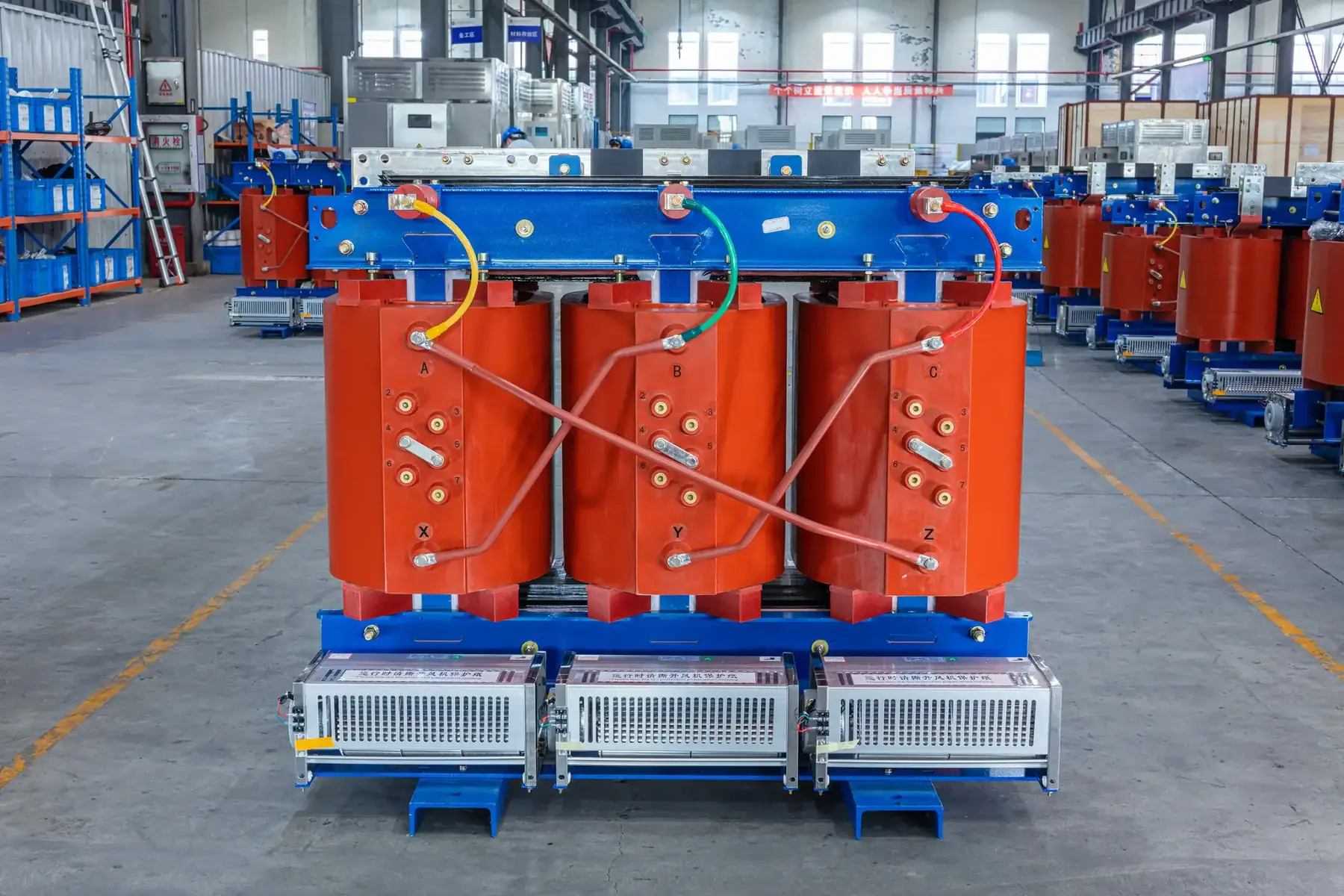
In the intricate web of modern electrical infrastructure, the medium voltage dry type transformer stands as a silent yet pivotal hero. Often overlooked amidst the towering pylons and buzzing substations, these transformers quietly ensure that power flows safely and efficiently to industries and communities alike. Imagine a world where electricity moves like a fine-tuned orchestra, each component playing its part flawlessly; the dry type transformer is akin to the conductor, orchestrating harmony amidst high-powered chaos. This blog delves into the essence of these transformers, exploring how they harness the immense power that fuels our daily lives.
What sets medium voltage dry type transformers apart from their liquid-filled counterparts? Beyond the absence of oil, these transformers offer remarkable benefits in fire safety and environmental impact, making them ideal for installations where risk management is paramount. As we peel back the layers of engineering genius behind these devices, we’ll uncover how their design not only meets but anticipates the demands of our ever-evolving power needs. Join us as we journey through the science and innovation that empower these transformers to keep the lights on, elevating the ordinary to extraordinary.

The Design Principles of Dry Type Transformers
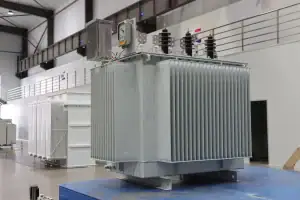
At the core of every medium voltage dry type transformer lies a meticulous design philosophy that prioritizes reliability, safety, and performance. Without liquid coolant, these transformers depend on solid insulation systems and efficient air circulation to manage heat. The design process starts with selecting high-grade electrical steel laminations, which form the magnetic core and minimize energy losses. Coil windings are then meticulously crafted using either vacuum-pressure impregnation (VPI) techniques or cast-resin methods to ensure mechanical stability and moisture resistance.
Thermal performance is a critical consideration in dry type transformer design. To promote effective cooling, manufacturers integrate strategically placed air ducts, convection channels, or forced-air systems. This allows heat generated in the windings and core to dissipate quickly, preventing hot spots that could degrade insulation over time. Additionally, temperature sensors and monitoring circuits are often embedded within the windings to provide real-time data, enabling predictive maintenance and enhancing operational lifespan.
Another key design principle involves modularity and flexibility. Many medium voltage dry type transformers feature compartmentalized sections for the core, coils, and cooling paths. This not only simplifies assembly and transportation but also makes on-site maintenance more accessible. From epoxy-coated cast coils to open-wound VPI windings, the design variations cater to diverse application needs—whether the priority is low noise, compact footprint, or enhanced overload capability. By balancing electrical performance with robust mechanical construction, these transformers deliver dependable power distribution in demanding industrial and commercial environments.
Fire Safety Features in Dry Type Transformers
One of the most compelling advantages of a medium voltage dry type transformer is its inherent fire safety. Unlike oil-filled units, which carry the risk of flammable coolant leaks, dry type transformers utilize non-combustible insulation materials such as epoxy resin and fiberglass. This fundamental shift in design significantly reduces the probability of catastrophic fires, making them ideal for installation in occupied buildings, underground vaults, and other high-risk environments where safety is paramount.
To further enhance fire resistance, manufacturers incorporate additional protective measures. These can include intumescent coatings that swell under high temperatures, forming a thermal barrier around critical components. Some models also feature built-in fire barriers or steel enclosures rated for specific fire durations (e.g., two-hour or three-hour firewalls). These features not only help contain potential internal faults but also prevent external fires from damaging the transformer’s core and windings, ensuring continuous operation during emergency scenarios.
Advanced medium voltage dry type transformers often come equipped with temperature detection systems and automatic trip mechanisms. By continuously monitoring winding temperatures and ambient conditions, these systems can trigger alarms or disconnect the transformer from the load if thresholds are exceeded. This proactive approach to fault management minimizes the risk of overheating and thermal runaway, offering an additional layer of protection for critical infrastructure and personnel.
Applications of Medium Voltage Dry Type Transformers
The versatility and safety profile of the medium voltage dry type transformer have driven its adoption across a wide spectrum of industries. In commercial settings—such as shopping centers, hospitals, and office towers—dry type transformers are favored for their low maintenance requirements and minimal fire risk. Architects and facility managers often specify these units in building codes that demand oil-free solutions for indoor substations and rooftop installations.
In the industrial sector, dry type transformers are found in manufacturing plants, data centers, and mining operations where reliability and uptime are crucial. Their rugged construction resists dust, humidity, and vibration, making them suitable for harsh environments. Moreover, the absence of oil eliminates concerns about contamination in sensitive processes or equipment.
Renewable energy projects also benefit from medium voltage dry type transformers. Wind farms and solar power plants frequently use these units to step up generation voltages for grid integration. The lightweight and compact design simplifies transportation to remote sites, while the eco-friendly profile aligns with sustainability goals. Additionally, specialized designs accommodate harmonic-rich loads from variable frequency drives, ensuring stable operation in modern power networks.
Conclusion: Harnessing Power Responsibly with Medium Voltage Dry Type Transformers
Medium voltage dry type transformers represent an engineering triumph that balances safety, performance, and environmental stewardship. By eliminating liquid insulation, they mitigate fire risks and reduce maintenance demands, offering peace of mind in a diverse array of settings—from high-rise buildings to renewable energy installations.
As electrical infrastructure continues to evolve, these transformers will remain at the forefront of responsible power distribution. Their modular designs, advanced fire protection, and reliable operation underscore a future where efficiency and safety go hand in hand, ensuring the lights stay on around the world without compromising on risk management.


 English
 Français
 Español
 Deutsch