
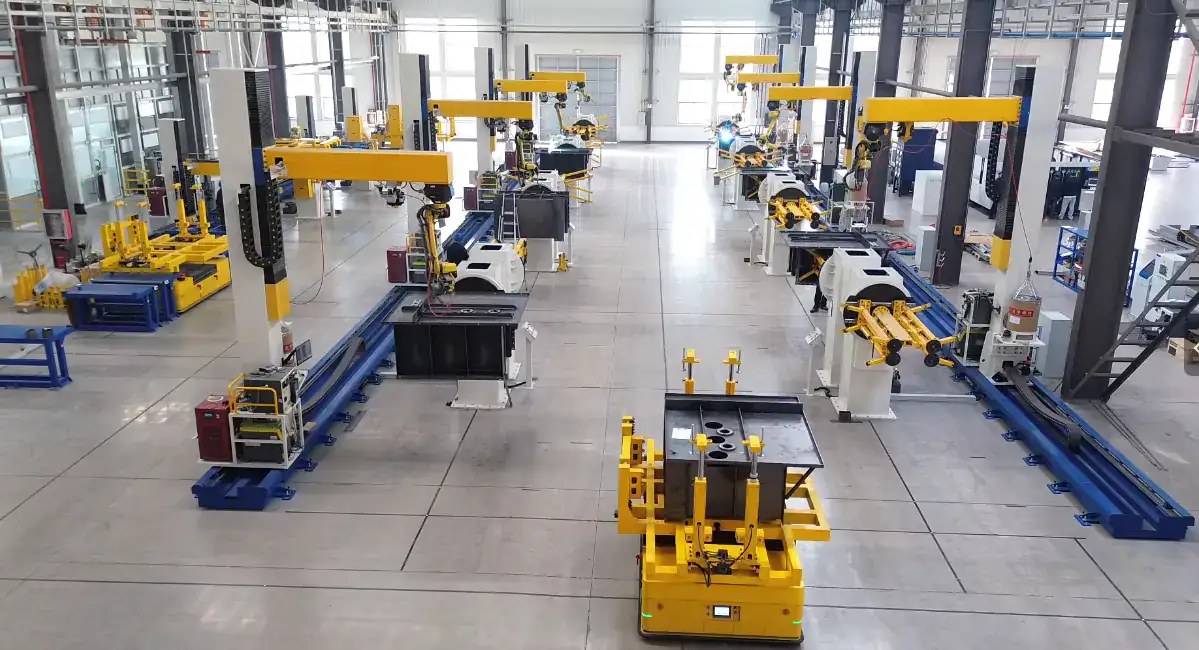
In the realm of modern infrastructure, electrical transformers are the unsung heroes, quietly powering our homes, businesses, and cities. Yet, the process behind electrical transformers installation is not just a routine task—it’s a meticulous art and science that requires precision, expertise, and an unwavering commitment to safety. Imagine this: a minor misstep during installation could set off a cascade of failures, compromising entire power systems and leading to significant financial losses. This stark reality underscores the importance of mastering the installation process—a topic often overshadowed by the typically more glamorous aspects of electrical engineering.
In our comprehensive guide to mastering electrical transformers installation, we delve into the nuanced steps necessary to ensure a successful setup that stands the test of time. We will explore the technical intricacies and provide practical insights into overcoming common challenges faced during installation. Whether you are an aspiring engineer, a seasoned professional looking to update your knowledge, or simply an enthusiast eager to learn about this crucial aspect of electrical infrastructure, this guide promises to illuminate the path to becoming adept in ensuring that these vital components of our energy ecosystem are installed with precision and care.
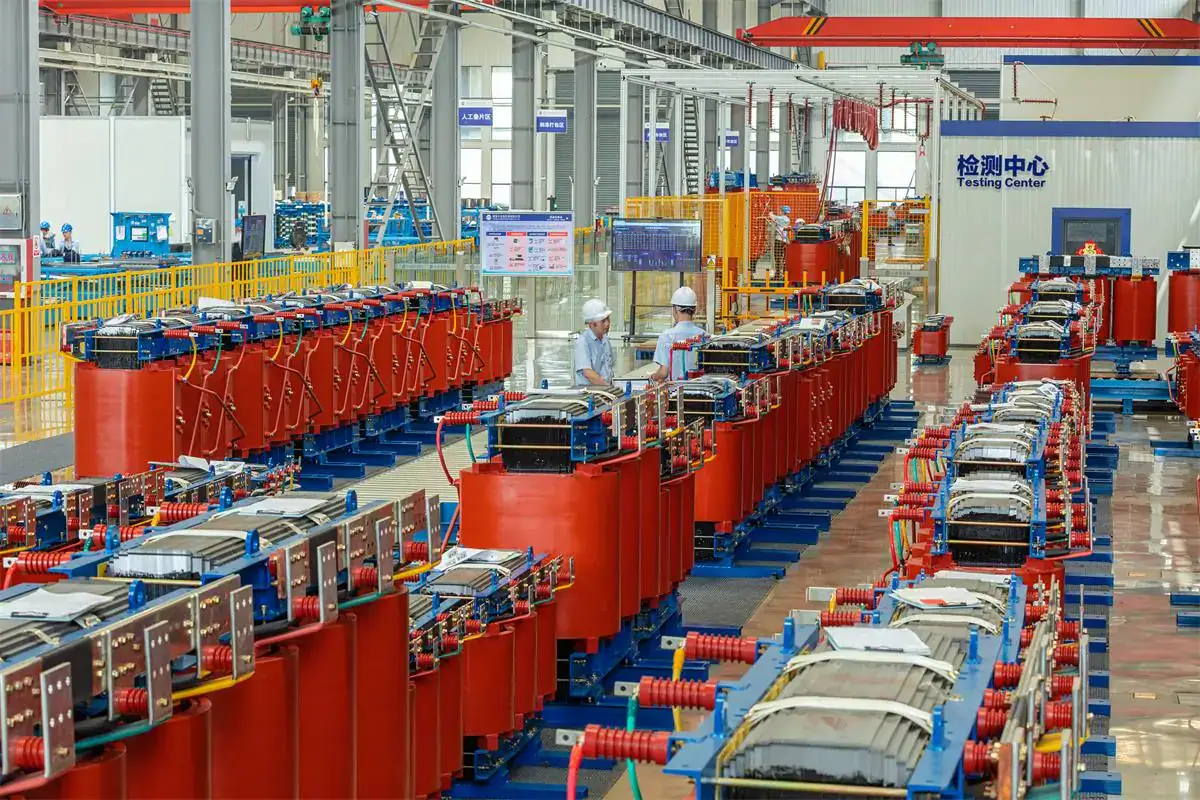
Understanding Electrical Transformers: A Primer
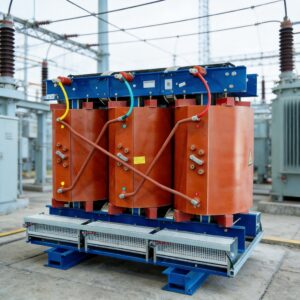
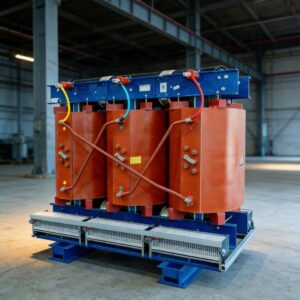
Electrical transformers are specialized devices designed to transfer electrical energy between circuits at different voltage levels through electromagnetic induction. They consist of two or more windings wrapped around a magnetic core. When alternating current flows through the primary winding, it creates a magnetic flux that induces a corresponding voltage in the secondary winding, either stepping up or stepping down the voltage as required. Key transformer types include power transformers, distribution transformers, isolation transformers, and instrument transformers, each tailored to specific applications in transmission, distribution, and measurement. A solid grasp of these fundamentals is essential for anyone involved in electrical transformers installation, as selecting the wrong transformer type or misunderstanding its operating principles can lead to inefficiencies, overheating, or catastrophic failure in power systems.
Beyond the basic operation, transformers vary by core material—silicon steel, amorphous alloys, or ferrites—each offering trade-offs in core losses, saturation characteristics, and cost. Insulation systems protect windings from electrical breakdown, while cooling methods—air, oil, or forced cooling—manage heat dissipation. Understanding these internal components and performance characteristics is vital to ensure reliable operation. Moreover, factors such as load profile, harmonic distortion in the supply network, and ambient temperature can influence transformer selection and installation practices. By mastering these technical elements, professionals can optimize transformer performance, minimize losses, and extend the useful life of equipment during and after electrical transformers installation.
Site Preparation and Planning for Installation
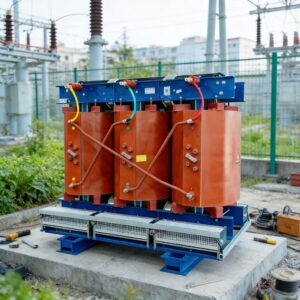
Effective site preparation is the cornerstone of successful electrical transformers installation. The first step involves conducting a detailed site survey to evaluate environmental conditions—temperature extremes, humidity, flood risk, and seismic activity. Engineers must ensure the installation area provides adequate clearances around the transformer for ventilation, maintenance access, and safety barriers. A level, well-drained concrete pad or skid should be designed to bear the transformer’s weight plus any ancillary equipment. Proper grounding grid design is also critical to protect personnel and equipment from fault currents, ensuring the site meets local electrical codes and standards.
Once the physical site is prepared, planners must coordinate logistics and obtain necessary permits, including building permits, environmental approvals, and utility interconnection agreements. Load calculations determine the transformer’s kVA rating, voltage ratios, and cooling class. Planners should consider future expansion needs, selecting oversized cable trenches or conduit runs for potential capacity upgrades. Clear communication with stakeholders—utility companies, site owners, and safety inspectors—ensures alignment on timelines and responsibilities. Meticulous planning and preparation pave the way for a smooth electrical transformers installation, reducing delays and minimizing rework while upholding safety and compliance.
Electrical Connections and Wiring Procedures
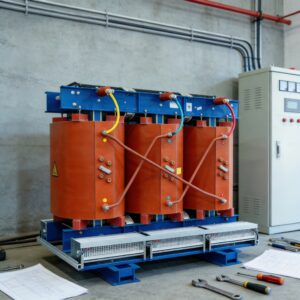
Accurate wiring and connection procedures are vital to the long-term performance of a transformer. Begin by reviewing the transformer’s wiring diagram and nameplate data, confirming voltage ratios, phase orientation, and grounding requirements. Use color-coded, appropriately sized cables, and ensure all conductors and buses are rated for the expected load and environmental conditions. De-energize the system fully and verify zero voltage with calibrated testers before touching any terminals.
When installing primary and secondary connections, maintain strict torque specifications on terminal bolts to prevent overheating due to loose connections. Implement proper phase sequencing—typically A-B-C—to avoid phase reversal or out-of-phase conditions that can cause circulating currents or severe equipment damage. Install surge arresters and protective relays as close to the transformer terminals as possible to guard against overvoltages and faults. Finally, verify the integrity of the grounding system by performing ground resistance tests. A robust grounding network not only protects personnel but also provides a clear fault path, ensuring quick fault clearing during electrical transformers installation and commissioning.
Troubleshooting Common Installation Issues
Despite thorough planning, various issues can arise during electrical transformers installation. Overheating is often caused by under-sized cables, poor connections, or inadequate cooling. Inspect all terminals for tightness and signs of discoloration, and verify that fans or oil pumps are functioning correctly. Voltage imbalances between phases may result in uneven load distribution—measure line-to-line voltages and adjust tap changers or reconfigure wiring as needed.
Oil-filled transformers may develop leaks at gasket seals or bushings, leading to degraded insulation and potential flashovers. Employ infrared thermography and acoustic detection techniques to locate leak points early. Noise complaints often stem from loose laminations or grounding issues; ensure all core clamps are torqued and grounding connections are solid. Finally, insulation resistance tests (Megger tests) can identify winding or bushing deterioration before energization. By systematically diagnosing and addressing these common problems, technicians can mitigate risks and achieve reliable performance after transformer installation.
Conclusion: Ensuring Successful and Reliable Transformer Installations
Mastering the art and science of electrical transformers installation demands a holistic approach—from understanding core principles and meticulous site preparation to precise wiring and proactive troubleshooting. Each step builds on the last to deliver a safe, efficient, and resilient power delivery solution.
By adhering to best practices, leveraging proper tools, and remaining vigilant to emerging issues, professionals can ensure their transformer installations stand the test of time—powering communities and industries with unwavering reliability.

 English
 Français
 Español
 Deutsch