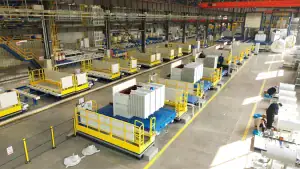
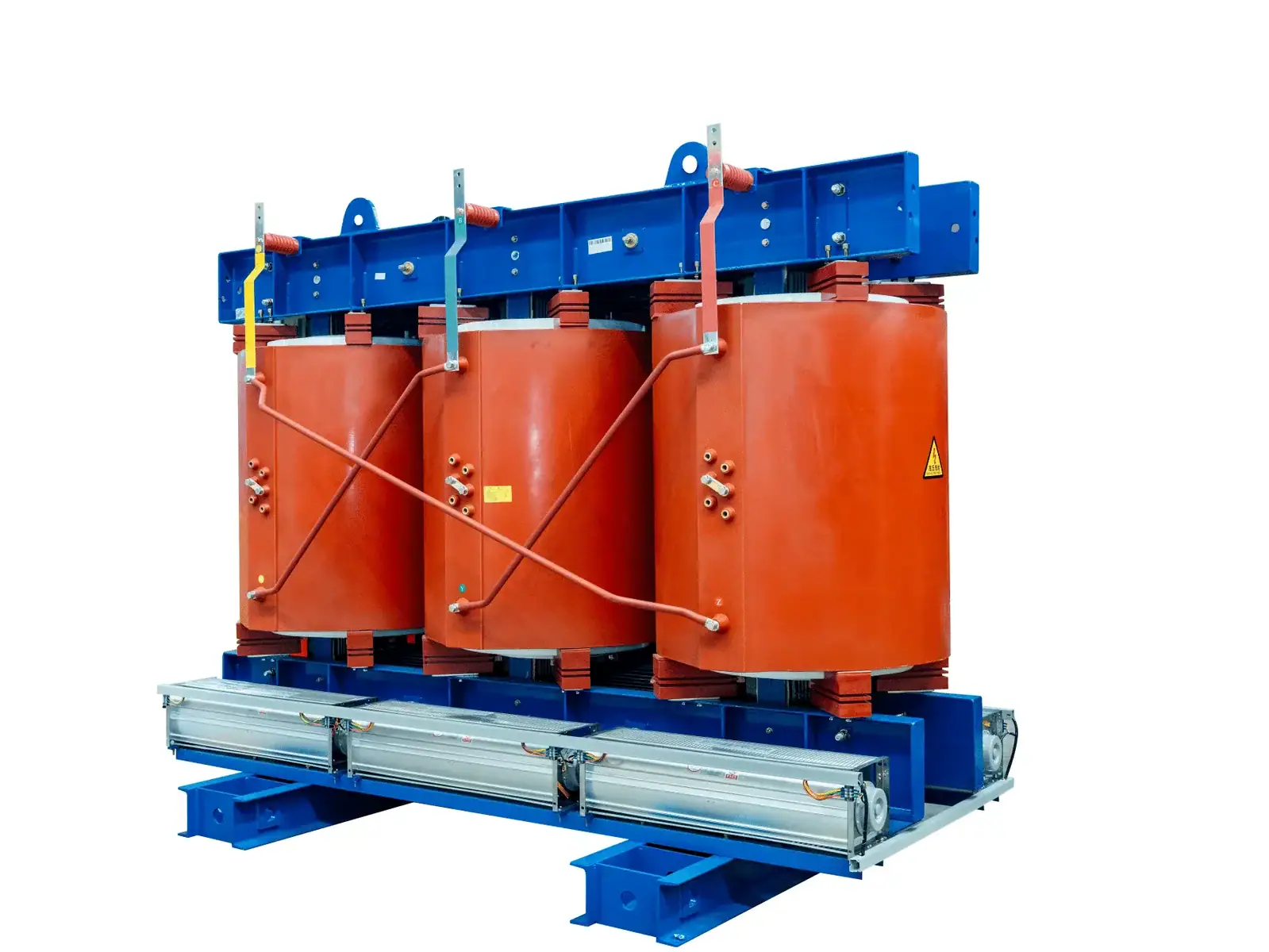
In the world of electrical engineering, transformers play a crucial role in power distribution. Among the various types available, the cast resin dry-type transformer stands out due to its unique properties and wide range of applications. In this article, we will explore the applications, benefits, and features of cast resin dry-type transformers.

What is a Cast Resin Dry Type Transformer?
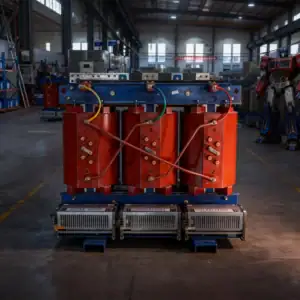
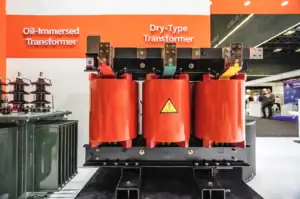
A cast resin dry-type transformer is a type of electrical transformer where the windings are encased in epoxy resin. Unlike oil-filled transformers, these transformers do not use any liquid coolant. Instead, they rely on air for cooling, making them safer and more environmentally friendly.
Key Features of Cast Resin Dry-Type Transformers
- Safety: Since they do not contain any flammable materials, these transformers are less likely to catch fire. This makes them a safer option, especially in indoor settings.
- Eco-Friendly: The absence of oil means there is no risk of oil leaks, which could harm the environment.
- Low Maintenance: With fewer moving parts and no oil to monitor, cast resin dry-type transformers require less maintenance compared to their oil-filled counterparts.
- Durability: The resin encapsulation provides excellent protection against dust, moisture, and chemical contamination, enhancing the transformer’s lifespan.
Applications of Cast Resin Dry-Type Transformers
Cast resin dry-type transformers are versatile and find applications in various sectors. Here are some of the common uses:
Indoor Installations
One of the primary applications of these transformers is in indoor settings. Due to their safety features and compact design, they are ideal for:
- Commercial Buildings: They are commonly used in malls, hospitals, and schools to ensure a steady power supply.
- Residential Complexes: These transformers are perfect for apartment buildings where space is limited and safety is a priority.
Industrial Applications
In the industrial sector, cast resin dry-type transformers are used for:
- Manufacturing Plants: Their robustness and low maintenance make them suitable for harsh industrial environments.
- Data Centers: With the critical need for uninterrupted power, these transformers provide reliability and efficiency.
Renewable Energy
As the world shifts towards sustainable energy solutions, cast resin dry-type transformers are being increasingly used in renewable energy projects, such as:
- Wind Farms: Their ability to withstand harsh weather conditions makes them ideal for wind power applications.
- Solar Power Plants: They efficiently handle the variable power output from solar panels, ensuring a stable supply.

Benefits of Cast Resin Dry-Type Transformers
The benefits of using cast resin dry-type transformers are numerous, making them a preferred choice for many applications.
Enhanced Safety
Safety is a paramount concern in electrical installations. The absence of oil in cast resin transformers eliminates the risk of fire hazards, making them a safer option, especially in places with high human traffic.
Reduced Environmental Impact
These transformers are more environmentally friendly compared to oil-filled transformers. The lack of oil means there is no risk of soil or water contamination from leaks.
Cost-Effective
While the initial cost may be higher than traditional transformers, the reduced maintenance and longer lifespan make them cost-effective in the long run.
Improved Performance
Cast resin dry-type transformers offer excellent overload capacity and can operate efficiently in a wide range of temperatures. This makes them suitable for areas with fluctuating environmental conditions.
Choosing the Right Transformer
When selecting a transformer, it’s essential to consider the specific needs of your application. Here are some factors to keep in mind:
- Load Requirements: Ensure the transformer can handle the expected load without overheating.
- Installation Environment: Consider whether the transformer will be installed indoors or outdoors and choose accordingly.
- Budget: While these transformers can be more expensive upfront, their long-term savings should be factored into the decision.

Conclusion
In conclusion, cast resin dry-type transformers offer a range of benefits that make them suitable for a variety of applications. From commercial buildings to renewable energy projects, their safety, efficiency, and low maintenance make them an excellent choice for modern electrical systems. As technology advances and the demand for sustainable solutions grows, the use of these transformers is likely to increase, contributing to a safer and more efficient electrical infrastructure.
By understanding the applications and benefits of cast resin dry-type transformers, businesses and individuals can make informed decisions about their electrical needs, ensuring reliable and sustainable power distribution for years to come.