
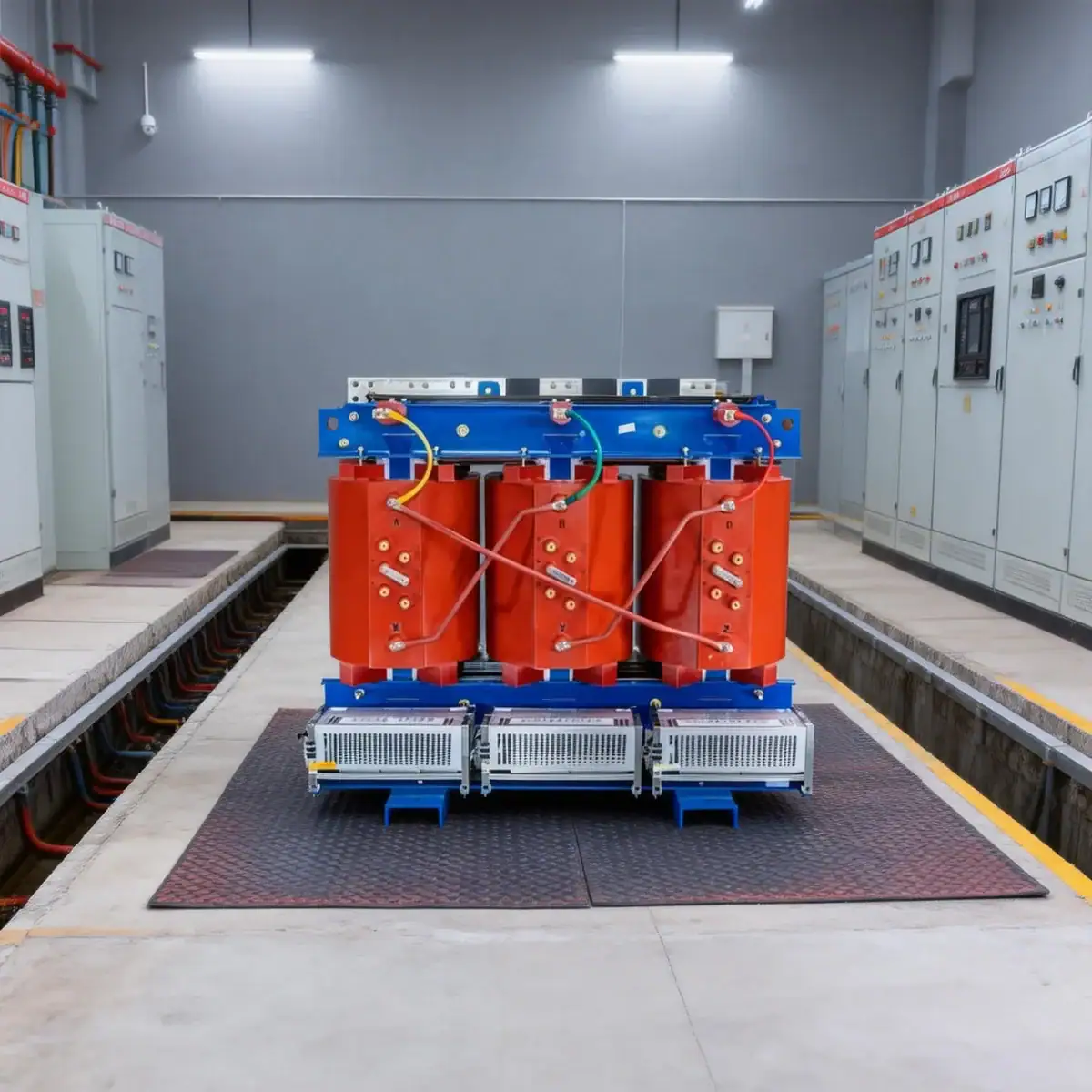
Imagine you’re running a bustling workshop filled with the hum of machinery, but now and then, a piece of equipment sputters to a halt, breaking the rhythm of your productivity. Many businesses and hobbyists face similar challenges, yearning for a seamless flow of power that can keep pace with their demands. That’s where the single phase to 3 phase transformer comes into play—a game changer for anyone looking to optimize the performance of their electrical systems. Understanding how this transition can revolutionize your power setup is crucial, whether you’re an engineer, a DIY enthusiast, or a small business owner.
Delving into the realm of electrical transformations may seem daunting, but consider the potential it holds: enhanced efficiency, reduced operational costs, and the ability to power more sophisticated machinery. Statistics reveal that three-phase power is nearly 50% more efficient than single-phase power in commercial settings. This blog post will unravel the intricacies of converting single phase power to three phase, demystifying the technical aspects while showcasing the tangible benefits. By the end, you’ll have the insights needed to make an informed decision about upgrading your power system.

Understanding Single Phase Power
Single phase power is the most common form of electrical distribution in residential and light commercial settings. It consists of one alternating voltage waveform traveling between a live (or “hot”) conductor and a neutral conductor. Because it delivers power in a single sinusoidal wave, single phase systems are simple to install and maintain. Homes, small offices, and retail shops frequently rely on single phase service for lighting, heating, and basic appliance operation. Typically rated at 120V or 240V in many regions, single phase power is adequate for low- to moderate-load applications.
However, single phase power has inherent limitations when it comes to heavy-duty machinery or industrial equipment. Motors and compressors often experience higher starting currents and less smooth torque delivery compared to when they run on three-phase power. This can lead to voltage dips, overheating, and reduced equipment lifespan. Furthermore, the power delivery in single phase systems fluctuates more dramatically, potentially causing flickering lights or performance inconsistencies in sensitive electronics. For workshops, manufacturing lines, or larger HVAC units, relying solely on single phase power can hinder performance and increase operational costs. Enter the single phase to 3 phase transformer—an innovation that bridges the gap by converting a single supply into a balanced, efficient three-phase output.
The Basics of Transformers
At its core, a transformer is an electromagnetic device designed to transfer electrical energy between circuits through inductive coupling. It consists of two or more coils of wire, known as the primary and secondary windings, wound around a shared magnetic core. When alternating current flows through the primary winding, it creates a varying magnetic field in the core. This fluctuating magnetic flux then induces a voltage across the secondary winding, effectively “transforming” the voltage level. By adjusting the turn ratio between the primary and secondary coils, transformers can step voltage up or down, enabling efficient power distribution over long distances or adapting supply levels to match load requirements.
Transformers come in a variety of configurations—single-phase, three-phase, autotransformers, isolation types, and more. Single-phase transformers typically have two windings, while three-phase models feature three. An autotransformer, on the other hand, uses a single winding tapped at various points to provide multiple voltage outputs. Regardless of design, all transformers rely on the same Faraday’s law of electromagnetic induction. Efficient core materials, precise winding techniques, and proper cooling methods (oil-immersed, dry-type, or forced-air) are critical to minimize losses and ensure reliable operation. When contemplating a single phase to 3 phase transformer upgrade, understanding these basic principles can help you select the right device and appreciate its role in optimizing your power system.
Single Phase to Phase Transformer: How It Works
Converting single phase power into three phase output involves creating two additional phases shifted by 120 degrees relative to the original supply. One common method employs a rotary phase converter, which uses a three-phase idler motor that draws power from the single-phase line to generate a balanced three-phase waveform. Alternatively, static converters or digital phase converters use capacitors and electronic switches to simulate the missing phases, offering lower cost and simpler installation.
Specialized single phase to 3 phase transformers, often known as rotary or static phase converters combined with transformer windings, provide an all-in-one solution. These units ensure consistent voltage balance, low harmonic distortion, and reliable startup performance for motors and industrial equipment. By understanding the internal workings—whether through electromagnetic coupling in transformer windings or mechanical inertia in rotary systems—you can decide which converter type best suits your workshop, farm, or small plant.
Determining Your Power Requirements
Before selecting a single phase to 3 phase transformer, perform a thorough load analysis on your equipment. List all three-phase motors, pumps, compressors, and other heavy-duty devices you plan to run. Note each motor’s horsepower (HP), full-load current (FLC), and starting current requirements. Consider duty cycles—continuous, intermittent, or occasional—and any simultaneous startup scenarios that could demand high inrush currents. Add up the total kVA (kilovolt-amperes) load, then apply a safety margin of 10–25% to accommodate expansion and prevent overloading the transformer.
Voltage level and phase balance are equally critical. Ensure your incoming single phase voltage matches the transformer’s primary rating (e.g., 230V or 240V). For the secondary side, choose a transformer that delivers the required three-phase voltage—typically 208V, 230V, or 400V—depending on your equipment specifications. Factor in power factor correction if your loads are highly inductive; capacitors can be included to improve efficiency and minimize reactive power draw. By accurately determining these parameters, you guarantee that your single phase to 3 phase transformer will deliver reliable, balanced power and extend the life of your motors and machinery.
Installation Process of a Phase Transformer
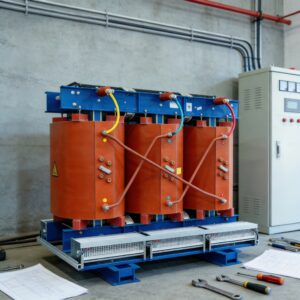
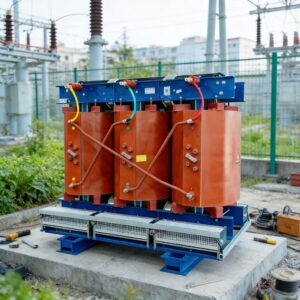
Installing a single phase to 3 phase transformer begins with selecting a suitable mounting location. Choose a dry, well-ventilated area with enough clearance for airflow and maintenance access. The surface must be level and capable of supporting the transformer’s weight. Follow all local electrical codes and safety standards: de-energize circuits, lock out/tag out main breakers, and verify absence of voltage before proceeding. Grounding is essential—connect the transformer’s grounding terminal to the facility earth ground to protect against electrical faults.
Next, wire the primary supply to the transformer’s input terminals, observing correct polarity and torque specifications on terminals. Connect the three-phase output terminals to your distribution panel or directly to your three-phase loads, labeling each phase (L1, L2, L3) for clarity. After all connections, re-energize the primary supply and perform no-load voltage tests using a voltmeter. Verify that secondary voltages are within ±5% of the rated values. Finally, conduct a load test under normal operating conditions to confirm balanced output and acceptable temperature rise. Regular inspections, thermal imaging, and oil checks (for oil-filled transformers) will ensure long-term reliability of your single phase to 3 phase transformer installation.
Conclusion: Embracing the Power Transformation
Upgrading from single phase power to a three-phase system using a single phase to 3 phase transformer can dramatically enhance efficiency, reduce operational costs, and unlock the full potential of industrial machinery. By understanding the fundamentals of power transformation, accurately sizing your equipment, and following proper installation procedures, you ensure reliable performance and long-term savings.
Whether you’re a small workshop, agricultural operation, or specialty manufacturer, embracing three-phase power is an investment that pays dividends in productivity and equipment longevity. Transform your power setup today and experience the seamless, balanced energy flow that only a dedicated phase transformer can provide.

 English
 Français
 Español
 Deutsch