
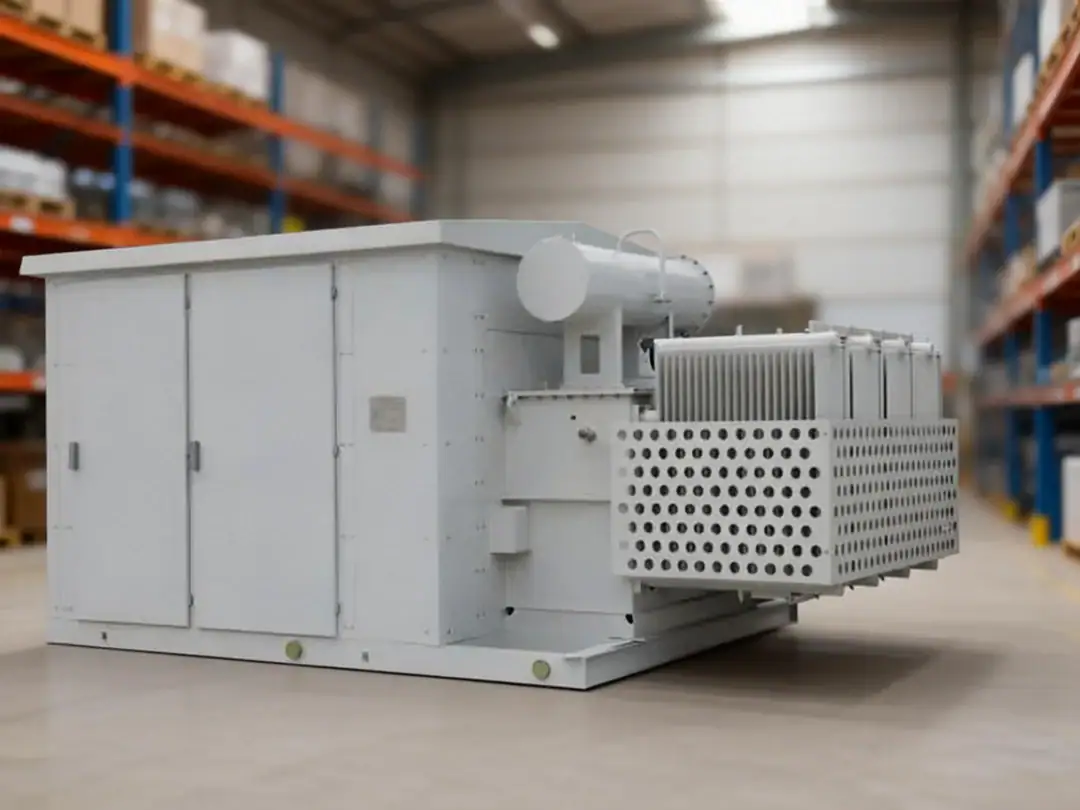
Transformatoren sind die stillen Helden unserer modernen Elektrowelt. Sie sorgen unauffällig dafür, dass der Strom sicher und effizient von den Kraftwerken zu unseren Haushalten und Industrieanlagen fließt. Doch wie viele von uns verstehen wirklich die Komplexität und Präzision ihrer Herstellung? Der Fertigungsprozess von Transformatoren ist eine faszinierende Reise, die Spitzentechnologie mit akribischer Handwerkskunst verbindet. Wir enthüllen Ihnen die Geheimnisse hinter jedem einzelnen Schritt dieser wichtigen Geräte und geben Ihnen Einblicke in diesen komplexen Prozess.
Stellen Sie sich eine Welt ohne Transformatoren vor: Ein unübersichtliches Netz aus Stromausfällen und unzuverlässigen Lieferketten wäre unser Alltag. Glücklicherweise hat sich der Herstellungsprozess von Transformatorkomponenten durch gezielte Innovation und Expertise weiterentwickelt, sodass diese Geräte für unsere Infrastruktur unverzichtbar geworden sind. Im weiteren Verlauf unserer Betrachtung werden Sie erfahren, wie beispielsweise … Kühlmethoden, Kernkonstruktion und Wicklungstechniken sind sorgfältig aufeinander abgestimmt, um die robusten Transformatoren herzustellen, auf die wir uns täglich verlassen. Machen Sie sich bereit für eine aufschlussreiche Entdeckungsreise ins Herzstück moderner Elektrizität!

Die Rolle von Transformatoren in modernen elektrischen Systemen
Transformatoren spielen eine zentrale Rolle in den heutigen Stromverteilungsnetzen. Sie fungieren als Brücken, die die Spannung erhöhen oder verringern, um den Bedarf von Kraftwerken, Übertragungsleitungen und Endverbrauchern zu decken. Ohne Transformatoren wären die Übertragungsverluste bei Fernübertragungen unerschwinglich, was dazu führen würde, dass Kraftwerke in gefährlicher Nähe zu den Verbrauchszentren errichtet werden müssten. Durch die effiziente Anpassung der Spannungspegel…, Transformatoren minimieren die Widerstandsverluste über Übertragungsleitungen, wodurch sichergestellt wird, dass Strom über Hunderte von Kilometern mit minimalen Verlusten transportiert wird. Allein diese Funktionalität unterstreicht, warum das Verständnis des Herstellungsprozesses von Transformatoren für Ingenieure und Manager, die mit der Planung zuverlässiger Stromnetze betraut sind, von entscheidender Bedeutung ist.
Über die reine Spannungswandlung hinaus tragen Transformatoren auch zur Systemstabilität und -sicherheit bei. Spezialisierte Transformatorentypen wie Spartransformatoren und Verteiltransformatoren werden in intelligenten Stromnetzen und Mikronetzen eingesetzt und ermöglichen ein nahtloses Leistungsflussmanagement. Innovationen bei Materialien und Isolierungen haben die Leistung von Transformatoren gesteigert, Wartungsintervalle verlängert und die Fehlertoleranz erhöht. Mit der Integration erneuerbarer Energiequellen wie Wind und Sonne in Stromnetze müssen sich Transformatoren an schwankende Eingangsleistungen und bidirektionale Leistungsflüsse anpassen. Diese Entwicklung verdeutlicht, dass der Herstellungsprozess von Transformatorentechnologien nicht statisch ist, sondern kontinuierlich optimiert wird, um den Herausforderungen der modernen Elektrifizierung gerecht zu werden.
Entwurfsphase: Vom Konzept zum Bauplan
Die Entwurfsphase markiert den Beginn jeglichen Projekts. Transformatorprojekt und legt damit den Grundstein für die spätere Leistungsfähigkeit und Lebensdauer. Zunächst erfolgt eine gründliche Anforderungsanalyse unter Berücksichtigung von Nennspannungen, Lastprofilen, Umgebungsbedingungen und gesetzlichen Normen. Elektroingenieure berechnen optimale Kernflussdichten und Leiterquerschnitte und wägen dabei Effizienz, Größe und Kosten ab. In dieser Phase validieren CAD-Tools und elektromagnetische Simulationssoftware die Kerngeometrie, die Kühlung und die Isolationsabstände, um sicherzustellen, dass die finale Konstruktion sowohl den Sicherheitsvorschriften als auch den Kundenspezifikationen entspricht.
Gleichzeitig spielt die Materialauswahl eine entscheidende Rolle im Fertigungsprozess von Transformatorkomponenten. Stahlgüte des Kerns, Kupfer- oder Aluminiumreinheit der Wicklung, Isolierpapier und Kühlflüssigkeiten werden aufgrund ihrer elektrischen und thermischen Eigenschaften ausgewählt. Mithilfe von Thermikmodellen wird die Wirksamkeit von ölgefüllten, trockenen oder hybriden Kühlverfahren bewertet. Soll ein Transformator in einer rauen Umgebung – extremen Temperaturen, hoher Luftfeuchtigkeit oder Offshore-Anwendungen – eingesetzt werden, kommen spezielle Lacke und Dichtstoffe zum Einsatz. Der detaillierte Entwurf, der in dieser Phase entsteht, dient schließlich als Grundlage für Beschaffung, Fertigung und Montage und gewährleistet, dass jeder Transformator von Anfang an seine Leistungsziele erreicht.
Kernkonstruktion: Das Rückgrat eines Transformators
Das Herzstück jedes Transformators ist sein Magnetkern. Er bietet einen magnetischen Fluss mit geringem magnetischem Widerstand und bestimmt den Wirkungsgrad und die Verluste des Geräts. Die Herstellung des Kerns erfolgt durch präzises Stanzen von kornorientierten Siliziumstahlblechen, die jeweils nur wenige Millimeter dick sind. Diese Blechstapel reduzieren Wirbelstromverluste, indem sie die zirkulierenden Ströme in dünnen Schichten bündeln und so übermäßige Wärmeentwicklung verhindern. Stanzmaschinen mit hoher Wiederholgenauigkeit gewährleisten gleichmäßige Blechformen, während automatisierte Stapelanlagen diese Bleche zur in der Konstruktionsphase festgelegten Kernkonfiguration zusammenfügen.
Nach dem Stapeln durchlaufen die Kerne einen sorgfältigen Klemm- und Glühprozess. Hydraulische Pressen verdichten die Bleche, um Luftspalte zu beseitigen, und fixieren sie mit Schrauben oder Bändern, um die mechanische Stabilität zu gewährleisten. Das anschließende Glühen in Schutzgasöfen baut die beim Stanzen und Stapeln entstandenen Restspannungen ab und reduziert so die Hystereseverluste im Betrieb des Transformators. Das Ergebnis ist ein robuster und gleichzeitig effizienter Magnetkreis, der die Wicklungen optimal aufnehmen kann. Diese präzise Kernkonstruktion ist grundlegend für den gesamten Herstellungsprozess von Transformatoren und gewährleistet minimale Energieverluste und langfristige Zuverlässigkeit im Betrieb.
Wickeltechniken: Effizienz und Leistung sicherstellen
Das Wickeln der Leiterspulen ist ein weiterer entscheidender Schritt im Herstellungsprozess von Transformatoren. Unabhängig davon, ob Lagen-, Scheiben-, Spiral- oder Sandwichwicklungen zum Einsatz kommen, ist Präzision unerlässlich, um die geforderten elektrischen Eigenschaften zu erreichen. Automatisierte Wickelmaschinen führen isolierte Kupfer- oder Aluminiumleiter auf Wickeldorne und sorgen für eine gleichmäßige Spannung, um Lücken oder Überlappungen zu vermeiden, die die Isolationsleistung beeinträchtigen könnten. Bei großen Leistungstransformatoren sind Scheibenwicklungen üblich: Jede Scheibe wird einzeln gewickelt, gepresst und isoliert, bevor sie zur vollständigen Spule gestapelt wird.
Nach dem Wickeln werden die Spulen häufig einer Vakuumdruckimprägnierung (VPI) unterzogen, bei der sie unter Vakuumbedingungen in Harz oder Lack getaucht werden. Dieses Verfahren presst Isolierstoffe in alle Hohlräume und verbessert so die Durchschlagsfestigkeit und Feuchtigkeitsbeständigkeit. Nach der Aushärtung werden die Spulen auf Windungszahl, Isolationswiderstand und Teilentladungen geprüft, um die Einhaltung der Konstruktionsvorgaben zu bestätigen. Diese Wickeltechniken tragen zusammen mit strengen Qualitätskontrollen dazu bei, dass jeder Transformator auch unter Lastschwankungen, Temperaturschwankungen und im Fehlerfall zuverlässig funktioniert.
Fazit: Der Einfluss der Präzisionsfertigung auf die Transformatorenleistung
Präzision in jedem einzelnen Schritt – von der Konstruktion und Materialauswahl bis hin zur Kernmontage und Wicklung – ist entscheidend für den Erfolg der Transformatorenfertigung. Wenn Ingenieure und Techniker strenge Standards einhalten und modernste Anlagen einsetzen, weisen die resultierenden Transformatoren einen höheren Wirkungsgrad, geringere Verluste und eine überlegene thermische Leistung auf.
Letztendlich führen diese sorgfältigen Verfahren zu geringeren Betriebskosten, längeren Wartungsintervallen und einer verbesserten Netzstabilität. Angesichts des weltweit steigenden Energiebedarfs und der zunehmenden Verbreitung erneuerbarer Energien werden die Erkenntnisse aus den heutigen fortschrittlichen Fertigungsmethoden die nächste Generation von Transformatoren hervorbringen, die unsere Welt nachhaltiger und zuverlässiger mit Energie versorgen.



 English
 Français
 Español
 Deutsch