

Imagínese un mundo en el que, con sólo pulsar un interruptor, su habitación se ilumina al instante o sus aparatos favoritos cobran vida sin esfuerzo. Este flujo ininterrumpido de electricidad es una maravilla de la ingeniería moderna, en gran parte debida a los intrincados mecanismos que esconde un transformador eléctrico. Sin embargo, para muchos, el diagrama de un transformador eléctrico sigue siendo un enigma, un mapa críptico dibujado en un lenguaje de líneas, símbolos y números que narra la historia de cómo se aprovecha y transforma la energía.
Profundice en este fascinante mundo en el que cada línea y símbolo del diagrama es un capítulo de la historia de la conversión de la energía, que guía a los electrones en su viaje desde las grandes centrales eléctricas hasta el acogedor confort de su hogar. Al desentrañar los misterios del diagrama de un transformador eléctrico, descubrirá algo que va más allá de la mera funcionalidad: se trata de apreciar la brillantez de la intención del diseño y la precisión de la ingeniería. Esta completa guía le invita a descifrar y apreciar la complejidad oculta de estos diagramas, transformando el misterio en maestría.
Conceptos básicos de un transformador eléctrico
En esencia, un transformador eléctrico es un dispositivo estático que transfiere energía eléctrica entre dos o más circuitos mediante inducción electromagnética. Al subir o bajar la tensión, los transformadores hacen que la transmisión de energía a larga distancia sea eficaz y segura. Sin ellos, la electricidad generada en las centrales sufriría importantes pérdidas antes de llegar a los hogares y las industrias. El principio básico se basa en la ley de inducción de Faraday: una corriente variable en una bobina induce una tensión en otra bobina situada dentro de su campo magnético.
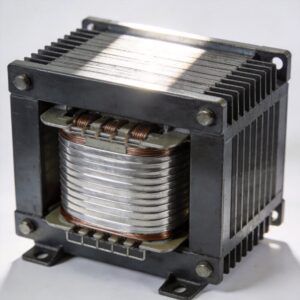
Cuando se observa el diagrama de un transformador eléctrico, normalmente se ven dos bobinas -la primaria y la secundaria- enrolladas alrededor de un núcleo magnético común. El núcleo dirige el flujo magnético generado por el devanado primario hacia el secundario, garantizando una transferencia eficaz de la energía. La relación de vueltas entre estas bobinas determina si el transformador aumenta (sube) o disminuye (baja) la tensión. Este sencillo pero potente mecanismo es la base de la red mundial, que permite que desde los minúsculos cargadores de teléfonos hasta las grandes plantas industriales reciban la tensión adecuada a sus necesidades.
Exploración de los componentes primarios de un transformador eléctrico
Para descifrar realmente el diagrama de un transformador eléctrico, primero hay que reconocer sus componentes principales. El núcleo magnético, normalmente hecho de láminas de acero laminado, proporciona una trayectoria de baja reluctancia para el flujo magnético, minimizando la pérdida de energía. Alrededor de este núcleo hay bobinados -bobinas conductoras aisladas entre sí- que forman los circuitos primario y secundario. El bobinado primario recibe energía de la fuente, mientras que el secundario suministra energía transformada a la carga.
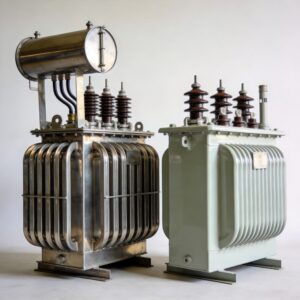
Además del núcleo y los bobinados, los diagramas suelen mostrar depósitos llenos de aceite aislante o resina, que enfrían y protegen las piezas internas de la humedad y la contaminación. También aparecen elementos adicionales como aletas de refrigeración, depósitos conservadores y pasatapas. Los pasatapas son cruciales, ya que permiten a los conductores atravesar con seguridad las paredes del transformador conectadas a tierra. Al identificar cada símbolo y comprender su función, empezará a ver cómo estas piezas trabajan en armonía dentro del diagrama del transformador eléctrico para garantizar un funcionamiento fiable y continuo.
El papel de los devanados en la transformación de la energía
En los bobinados es donde se produce la magia de la conversión de tensión. El bobinado primario se conecta a la fuente de tensión de entrada, creando un campo magnético en el núcleo cuando circula corriente por él. El bobinado secundario, situado en el mismo núcleo, experimenta este flujo magnético cambiante y genera una tensión según el principio de inducción mutua. El número de espiras de cada bobinado define la relación de tensión: más espiras en el secundario que en el primario producen una tensión de salida más alta (step-up), mientras que menos espiras producen una tensión más baja (step-down).
En los diagramas prácticos, verá anotaciones para cambiadores de tomas en los devanados, que permiten realizar ajustes finos de tensión bajo carga sin interrumpir el servicio. Esto es vital para compensar las caídas de tensión en líneas de distribución largas. El aislamiento entre las capas del devanado se indica para evitar cortocircuitos, y los diagramas detallados muestran las conexiones de los conductores y las marcas de polaridad para garantizar la fase correcta. Dominar estos detalles del bobinado en un diagrama de transformador eléctrico es esencial para una instalación, mantenimiento y localización de averías seguros.
Los distintos tipos de transformadores eléctricos
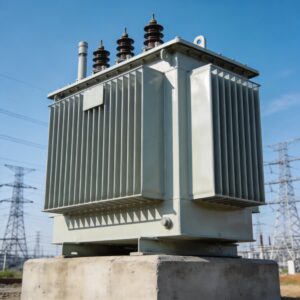
Los transformadores tienen varios diseños adaptados a aplicaciones específicas, y sus diagramas reflejan estas diferencias. Los transformadores de potencia, utilizados en las redes de transmisión, manejan tensiones elevadas y grandes niveles de potencia; sus diagramas incluyen complejas disposiciones de refrigeración y cambiadores de tomas. Los transformadores de distribución, que se encuentran en postes de la red pública o en cajas montadas en pedestales, reducen la tensión para uso del consumidor y tienen diagramas más sencillos que se centran en el núcleo, el bobinado y las características básicas de protección.
Otros tipos son los transformadores de medida -corriente (TC) y potencial (TP)- que proporcionan medidas a escala para sistemas de medida y protección. Los autotransformadores utilizan un único devanado con derivaciones para regular la tensión y aparecen en los diagramas como una única bobina con múltiples terminales. Los transformadores de aislamiento, diseñados para desacoplar dos circuitos, destacan los símbolos de seguridad y los detalles de conexión a tierra. Al comparar estas representaciones esquemáticas, apreciará cómo cada tipo de transformador aborda los requisitos únicos de rendimiento y seguridad en la red eléctrica.
Conclusión: Dominar los misterios de un diagrama de transformador eléctrico
Descifrar el diagrama de un transformador eléctrico transforma un esquema aparentemente complejo en un mapa claro del flujo de energía, las funciones de los componentes y las características de seguridad. Con la práctica, identificará rápidamente los núcleos, devanados, sistemas de refrigeración y dispositivos de protección de los distintos tipos de transformadores.
Esta nueva comprensión no sólo mejora su competencia técnica, sino que también profundiza su apreciación de las maravillas de la ingeniería que impulsan nuestro mundo. Abrace la claridad que se esconde tras los símbolos y deje que cada diagrama le guíe hacia la maestría en lugar de hacia el misterio.




 English
 Français
 Español
 Deutsch