
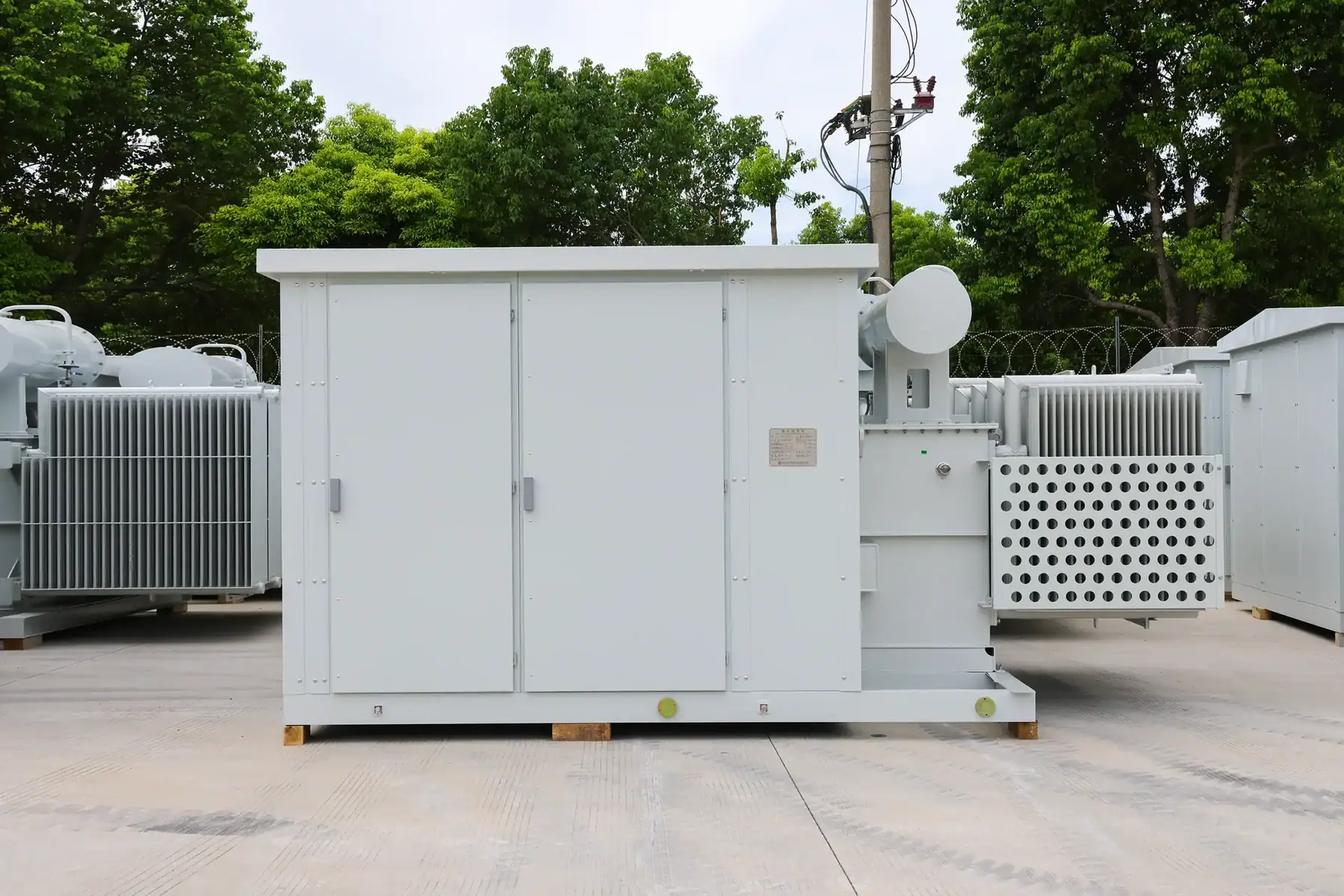
En el vertiginoso mundo actual, tan dependiente de la electricidad, el buen funcionamiento de empresas y hogares depende de un elemento fundamental: los transformadores eléctricos. Estos héroes anónimos trabajan incansablemente entre bastidores para garantizar que nuestros sistemas estén energizados, sean fiables y eficientes. Pero, ¿alguna vez te has preguntado qué implica garantizar un suministro fiable de transformadores eléctricos? Piensa en esto: un solo fallo en tu cadena de suministro eléctrico podría interrumpir las operaciones, provocar costosos tiempos de inactividad e incluso comprometer la seguridad. Por eso, comprender los aspectos esenciales del suministro de transformadores eléctricos no solo es beneficioso, sino imprescindible.
A medida que las infraestructuras se expanden y la demanda de energía se dispara, aumenta la presión sobre las empresas para asegurar una red eléctrica confiable y resiliente. Este aspecto, a menudo subestimado, de los sistemas eléctricos impacta directamente en todo, desde procesos de fabricación Para las operaciones de centros de datos. Al profundizar en los aspectos esenciales del suministro de transformadores eléctricos, descubrirá cómo reforzar sus sistemas ante interrupciones inesperadas y optimizar el consumo de energía. Analicemos juntos las complejidades de garantizar que sus sistemas se mantengan alimentados con una fiabilidad inquebrantable.
Importancia de un suministro fiable de transformadores eléctricos
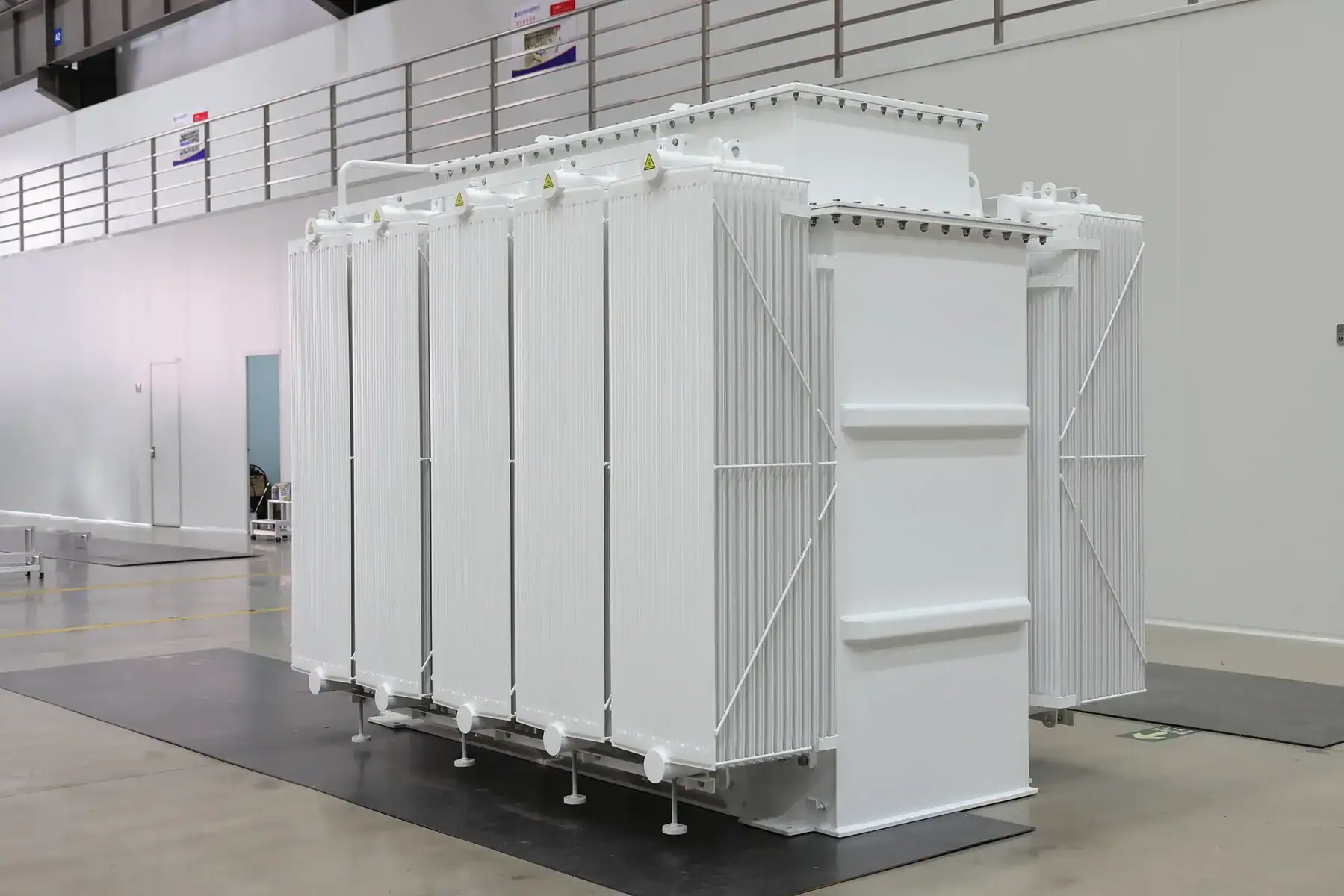
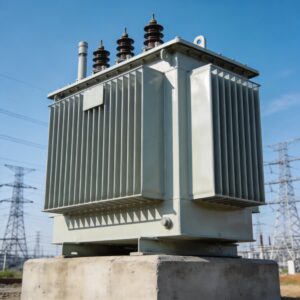
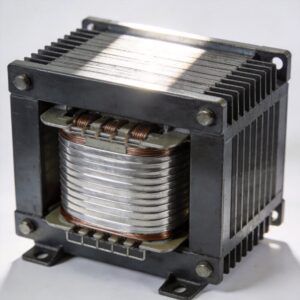
Un suministro fiable de transformadores eléctricos constituye la base de cualquier red de distribución eléctrica estable. Los transformadores eléctricos reducen los altos voltajes de transmisión a niveles adecuados para maquinaria industrial, edificios comerciales y cargas residenciales. Cuando estos transformadores se especifican, instalan y mantienen correctamente, garantizan un funcionamiento continuo, previenen fluctuaciones de voltaje y protegen los equipos sensibles contra daños. Por el contrario, una cadena de suministro poco fiable o transformadores de baja calidad pueden provocar fallos en cascada, lo que conlleva paradas de producción, problemas de integridad de datos e incluso riesgos para la seguridad, como incendios eléctricos.
Más allá de la continuidad operativa, el rendimiento constante de los transformadores influye en la gestión de costes y los objetivos de sostenibilidad. Las frecuentes interrupciones no planificadas obligan a las empresas a destinar recursos adicionales a reparaciones de emergencia, el envío urgente de unidades de reemplazo y posibles sanciones por incumplimiento de contrato. Por otro lado, un suministro fiable de transformadores eléctricos reduce el coste total de propiedad al prolongar los intervalos de mantenimiento, minimizar los costes de reparación y mejorar la eficiencia energética general. En definitiva, invertir en transformadores fiables no solo garantiza la disponibilidad operativa, sino que también mejora la resiliencia a largo plazo frente a la evolución de las demandas de la red y las normativas medioambientales.
Factores a considerar al seleccionar transformadores eléctricos
Elegir el transformador adecuado para su aplicación implica más que simplemente igualar voltajes; requiere una evaluación exhaustiva de las especificaciones técnicas, las condiciones ambientales y la escalabilidad futura. Entre las consideraciones clave se incluyen la potencia aparente (kVA) del transformador, sus características de impedancia y el método de refrigeración (por ejemplo, en aceite o en seco). Seleccionar una unidad de tamaño insuficiente puede provocar sobrecargas y fallas prematuras, mientras que un transformador sobredimensionado suele funcionar de forma ineficiente con cargas parciales, lo que genera pérdidas de energía innecesarias.
Los factores ambientales y normativos también desempeñan un papel crucial. Para instalaciones en atmósferas corrosivas, como plantas costeras o instalaciones de procesamiento químico, pueden ser necesarios gabinetes resistentes a la corrosión y materiales de bobinado especiales. Las normativas sobre ruido también pueden influir en el diseño de los transformadores, especialmente en entornos residenciales o urbanos. Por último, el cumplimiento de los estándares de la industria por parte de los proveedores (como IEEE, IEC o ANSI) y su trayectoria en garantía de calidad deben guiar sus decisiones de compra, asegurando la compatibilidad, la seguridad y plazos de entrega confiables para el suministro de transformadores eléctricos.
Monitoreo del rendimiento y la eficiencia de los transformadores
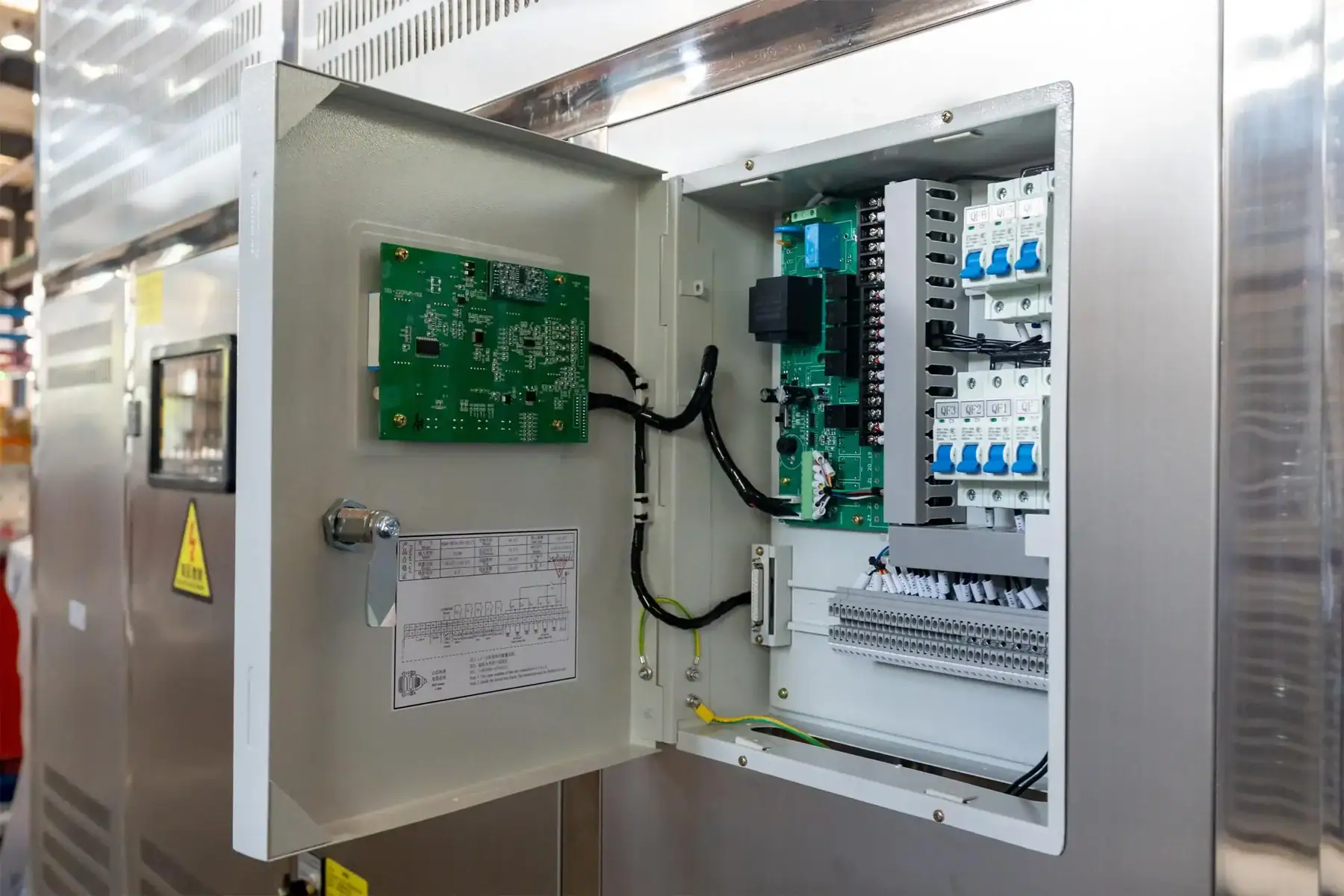
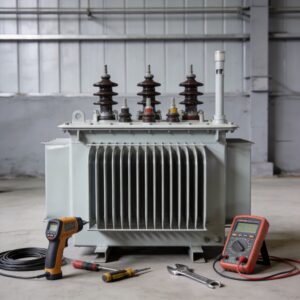
El monitoreo continuo del estado de los transformadores es esencial para prevenir fallas y optimizar la eficiencia. Los programas modernos de mantenimiento predictivo se basan en una combinación de adquisición de datos en tiempo real y pruebas de diagnóstico periódicas. Al monitorear continuamente parámetros como la temperatura, la corriente de carga y la rigidez dieléctrica del aceite, los ingenieros pueden detectar señales de alerta temprana de degradación del aislamiento, sobrecalentamiento del devanado o problemas de magnetización del núcleo.
Las soluciones de monitorización avanzadas suelen integrarse con plataformas SCADA o IoT para proporcionar visibilidad remota de las métricas de rendimiento de los transformadores. Los paneles de control personalizados pueden alertar a los equipos de mantenimiento sobre tendencias anómalas y activar respuestas automatizadas, como la reducción de carga o la activación del sistema de refrigeración. Este enfoque proactivo no solo prolonga la vida útil de los transformadores, sino que también mejora la fiabilidad de la red de distribución eléctrica en general.
Estrategias para optimizar el consumo de energía
Reducción pérdidas de energía dentro de los transformadores Contribuye significativamente a la eficiencia general del sistema. Una estrategia eficaz consiste en seleccionar materiales de núcleo de bajas pérdidas, como el acero amorfo, que puede reducir las pérdidas en vacío hasta en un 70 % en comparación con los aceros convencionales de grano orientado. Además, operar los transformadores cerca de su capacidad nominal ayuda a minimizar las pérdidas en los devanados de cobre, lo cual se logra mediante técnicas de gestión de carga como la reducción de picos de demanda, los programas de respuesta a la demanda y la programación estratégica de procesos de alta energía.
La implementación de sistemas de control inteligentes optimiza aún más el consumo de energía. Por ejemplo, los cambiadores de tomas dinámicos ajustan la relación de espiras del transformador en tiempo real para mantener perfiles de voltaje óptimos bajo diferentes condiciones de carga. Junto con el monitoreo térmico y los controles de refrigeración adaptativos, estas medidas garantizan que los transformadores operen dentro de sus límites de eficiencia. Al combinarse con auditorías de rendimiento periódicas y evaluaciones comparativas de eficiencia energética, las organizaciones pueden reducir sustancialmente tanto los costos de electricidad como las emisiones de gases de efecto invernadero de su infraestructura de distribución de energía.
PREGUNTAS FRECUENTES
1. ¿Cuáles son los elementos esenciales del suministro de transformadores eléctricos?
El suministro de transformadores eléctricos implica la selección, fabricación, entrega, instalación y mantenimiento de transformadores que proporcionan Conversión de voltaje y distribución de energía confiables para sistemas eléctricos.
2. ¿Por qué es importante elegir el transformador eléctrico adecuado?
Una solución de suministro de transformador eléctrico adecuada ayuda a garantizar:
- Suministro de energía estable
- Mayor eficiencia energética
- Reducción de las pérdidas eléctricas
- Funcionamiento seguro del sistema
- Larga vida útil del equipo
3. ¿Qué tipos de transformadores eléctricos se suelen suministrar?
Las opciones comunes de suministro de transformadores incluyen:
- Transformadores de tipo seco
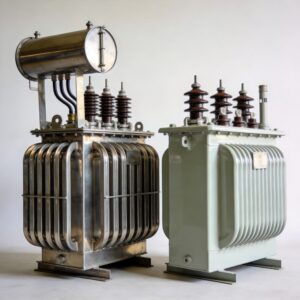
- transformadores sumergidos en aceite
- Transformadores de distribución
- Transformadores de potencia
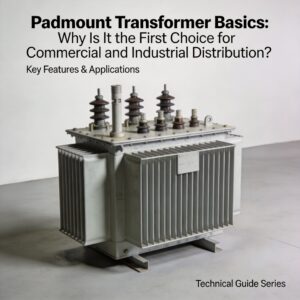
- transformadores montados sobre base
- Transformadores de aislamiento
- transformadores personalizados
4. ¿Qué factores deben tenerse en cuenta en el suministro de transformadores eléctricos?
Entre las consideraciones clave se incluyen:
- Requisitos de voltaje
- Potencia (kVA/MVA)
- Clasificación de frecuencia
- Entorno de instalación
- Método de enfriamiento
- Requisitos de eficiencia
- Sistemas de protección
Conclusión: Potenciando sus sistemas con un suministro fiable de transformadores eléctricos.
Garantizar un suministro fiable de transformadores eléctricos es más que una simple tarea de adquisición: es una inversión estratégica en tiempo de actividad, seguridad y rentabilidad a largo plazo. Al comprender la importancia de los transformadores fiables, evaluar los factores clave de selección, implementar sistemas de monitorización avanzados y optimizar el consumo energético, las organizaciones pueden construir redes eléctricas resilientes que soporten las demandas cambiantes.
Ya sea que administre una planta de fabricación, un centro de datos o una instalación comercial, priorizar la confiabilidad de los transformadores garantiza un rendimiento ininterrumpido y un crecimiento sostenible. Adopte estas mejores prácticas hoy mismo para optimizar el funcionamiento de sus sistemas y asegurar el éxito futuro.

 English
 Français
 Español
 Deutsch