
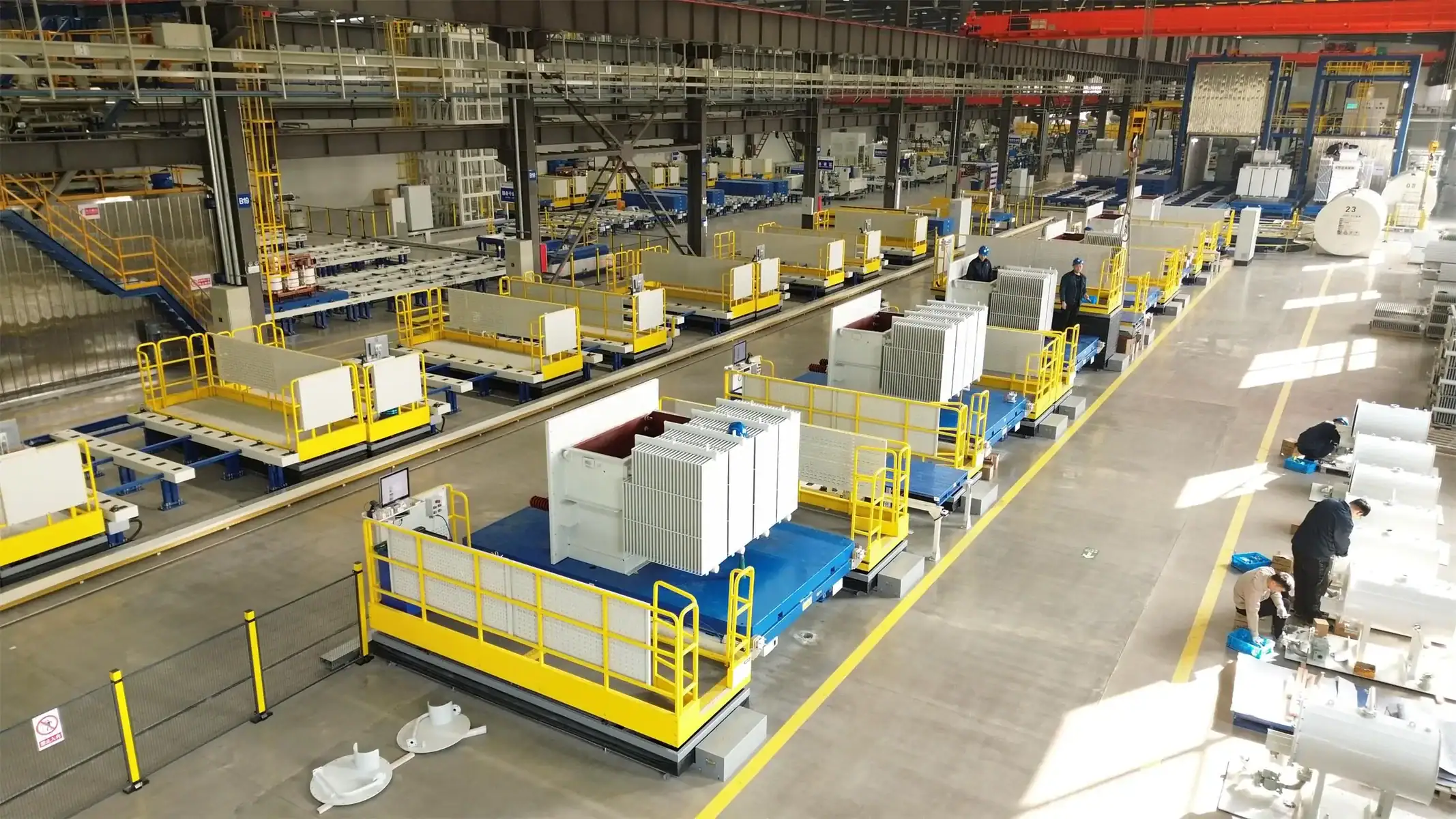
En un mundo en el que la demanda de energía se dispara y la sostenibilidad ya no es sólo una opción, sino una necesidad, la ancestral industria de fabricación de transformadores se encuentra en una encrucijada crucial. El futuro de la creación de soluciones energéticas eficientes depende de las innovaciones en este sector crítico. Imagine un panorama en el que los transformadores se diseñen con una precisión sin precedentes, optimizados para minimizar la pérdida de energía y maximizar la durabilidad. No se trata de un sueño lejano, sino de una realidad presente, ya que la tecnología redefine los procesos de fabricación tradicionales y establece nuevos estándares de rendimiento y sostenibilidad.
Ahora que estamos al borde de esta transformación, es esencial comprender las fuerzas que la impulsan. Los avances revolucionarios en la ciencia de los materiales, la ingeniería y la tecnología digital están convergiendo para crear transformadores que no solo son más eficientes, sino también respetuosos con el medio ambiente. Esto no sólo tiene el potencial de reducir significativamente la huella de carbono, sino que también promete una infraestructura energética más resistente. Acompáñenos en nuestro análisis de cómo se está revolucionando la fabricación de transformadores, explorando las innovaciones que están dando forma al futuro de las soluciones energéticas.
Evolución del diseño de los transformadores
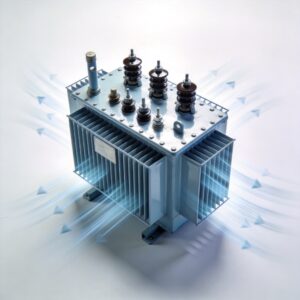
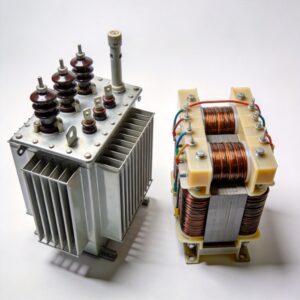
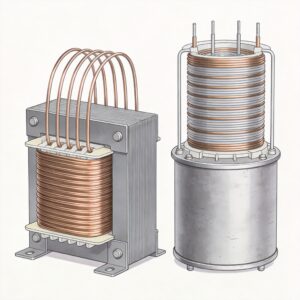
En el último siglo, la fabricación de transformadores ha pasado de simples bobinas con núcleo de hierro a unidades altamente especializadas y de ingeniería de precisión. Los primeros diseños se basaban en núcleos básicos de acero laminado y técnicas de bobinado manual, que limitaban la eficiencia y hacían que la producción a escala requiriera mucha mano de obra. A medida que crecía la demanda de electricidad, los ingenieros introdujeron nuevas geometrías de núcleo, mejores materiales aislantes y métodos de construcción estandarizados para aumentar la fiabilidad y reducir las pérdidas de energía.
En las últimas décadas, la evolución del diseño se ha centrado en reducir el tamaño y el peso sin comprometer el rendimiento. El acero eléctrico de grano orientado de alta calidad, los núcleos de aleación amorfa y los sistemas de refrigeración avanzados han permitido a los transformadores funcionar a frecuencias más altas y con menos pérdidas. El modelado computacional permite ahora a los ingenieros simular la distribución del flujo magnético, los perfiles térmicos y las tensiones mecánicas antes de construir un solo prototipo. Este enfoque digitalizado de la fabricación de transformadores acelera los ciclos de desarrollo, reduce los costes y da lugar a unidades capaces de soportar las crecientes demandas de carga de las redes eléctricas modernas.
Impacto de la tecnología digital en las soluciones energéticas
La tecnología digital está reconfigurando la fabricación de transformadores mediante sensores inteligentes, conectividad IoT y análisis de datos en tiempo real. Al integrar sensores en los devanados, los casquillos y los sistemas de refrigeración de los transformadores, los fabricantes y los operadores obtienen una visibilidad sin precedentes de parámetros operativos como la temperatura, la humedad y la descarga parcial. Esta proactividad permite el mantenimiento predictivo, lo que reduce las interrupciones imprevistas y amplía la vida útil de los activos.
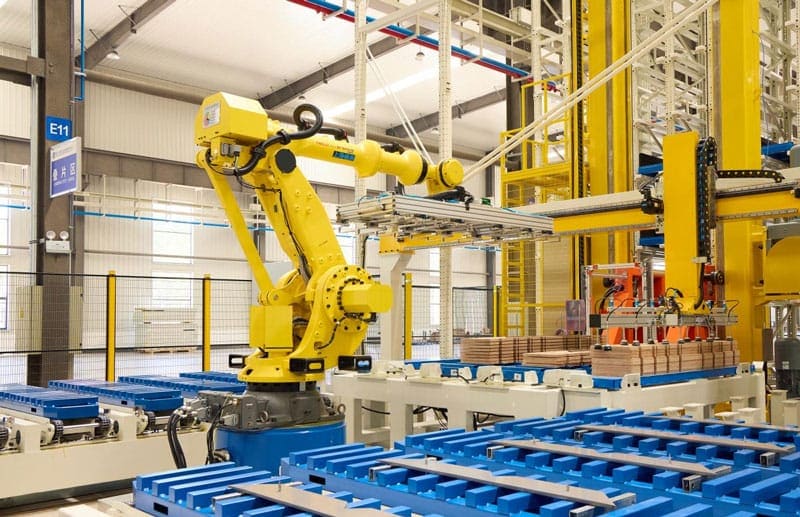
Además, los gemelos digitales (réplicas virtuales de los transformadores físicos) permiten a los ingenieros simular las fluctuaciones de carga, las condiciones de fallo y las tensiones ambientales. Estas simulaciones permiten introducir ajustes en el diseño que mejoran la eficiencia energética y la fiabilidad. En la planta de producción, los principios de la Industria 4.0 integran la robótica, la maquinaria de bobinado automatizado y los sistemas de visión para el control de calidad. El resultado es un proceso de fabricación más ágil y rentable que produce transformadores de alta precisión a gran escala, mejorando el rendimiento general de la red.
Prácticas sostenibles en la fabricación de transformadores
La sostenibilidad en la fabricación de transformadores ya no es opcional; es un mandato. Los fabricantes están adoptando materiales ecológicos para los núcleos, como las aleaciones de metales amorfos, que pueden reducir las pérdidas en vacío hasta 70% en comparación con el acero al silicio tradicional. Al mismo tiempo, las alternativas al aceite mineral -como los ésteres biodegradables y los fluidos de éster natural- están sustituyendo a los fluidos aislantes convencionales, mejorando la seguridad contra incendios y la compatibilidad medioambiental.
En cuanto a las instalaciones, muchas plantas de transformadores recurren ahora a fuentes de energía renovables para alimentar las líneas de producción, y se están optimizando los sistemas de refrigeración por agua para reducir el consumo de recursos. Las iniciativas de reducción de residuos incluyen el reciclaje de restos de cobre y acero, mientras que las técnicas avanzadas de barnizado minimizan las emisiones de compuestos orgánicos volátiles. Combinadas, estas prácticas ecológicas hacen de la fabricación de transformadores un factor clave en los objetivos mundiales de descarbonización, garantizando que las propias soluciones que creamos para suministrar energía no causen daños indebidos al medio ambiente.
Papel de la inteligencia artificial en la eficiencia energética
La inteligencia artificial (IA) está desbloqueando nuevas eficiencias tanto en la fabricación como en el funcionamiento de los transformadores. Los algoritmos de aprendizaje automático analizan vastos conjuntos de datos procedentes de sensores de fábrica y despliegues sobre el terreno, identificando patrones sutiles que los ingenieros humanos podrían pasar por alto. Estos conocimientos impulsan mejoras continuas en la selección de materiales, la precisión del bobinado y las estrategias de refrigeración. Por ejemplo, la detección de defectos guiada por IA en el aislamiento del bobinado puede detectar imperfecciones mínimas antes de que provoquen fallos costosos.
En servicio, las plataformas de gestión de activos basadas en IA procesan datos de monitorización del estado en tiempo real para optimizar la distribución de la carga, la regulación de la tensión y los programas de mantenimiento. Al predecir cuándo es probable que un transformador requiera mantenimiento o sustitución, las empresas de servicios públicos pueden minimizar el tiempo de inactividad y los costes operativos. La integración de la IA con la tecnología de gemelos digitales afina aún más las predicciones de rendimiento, permitiendo ajustes dinámicos de los parámetros de funcionamiento que maximizan la eficiencia energética de toda la vida y reducen la huella de carbono en toda la cadena de suministro de energía.
PREGUNTAS FRECUENTES
1. ¿Qué es la fabricación de transformadores?
La fabricación de transformadores es el proceso de diseñar, producir, ensamblar, probar y entregar transformadores eléctricos utilizados para la conversión de voltaje, la distribución de energía y la protección de sistemas eléctricos.
2. ¿Cuáles son las principales etapas de la fabricación de transformadores?
El proceso típico de fabricación de transformadores incluye:
- Ingeniería y diseño
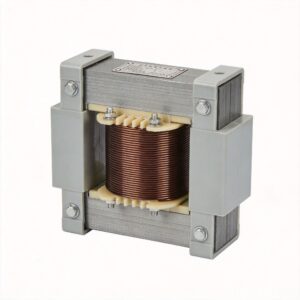
- Fabricación de núcleos
- bobinado de bobina
- Instalación de aislamiento
- Asamblea
- Fabricación de tanques (para transformadores llenos de aceite)
- Pruebas e inspección de calidad
- Embalaje final y envío
3. ¿Qué materiales se utilizan habitualmente en la fabricación de transformadores?
Los materiales comunes incluyen:
- Laminaciones de acero al silicio
- Conductores de cobre o aluminio
- Materiales de aislamiento eléctrico
- Aceite para transformadores (para unidades sumergidas en aceite)
- Resina epoxi (para transformadores de tipo seco)
- Recintos y tanques de acero
4. ¿Qué tipos de transformadores se producen mediante la fabricación de transformadores?
Los fabricantes suelen producir:
- Transformadores de distribución
- Transformadores de potencia
- Transformadores de tipo seco
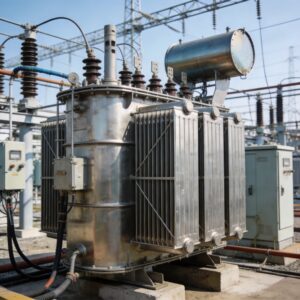
- Transformadores en aceite
- Transformadores montados sobre plataforma
- Transformadores de aislamiento
- transformadores de energía renovable
5. ¿Por qué es importante la fabricación de núcleos en la fabricación de transformadores?
El núcleo del transformador afecta directamente a la eficiencia, las pérdidas de energía y el rendimiento operativo. Las láminas de acero al silicio de alta calidad ayudan a reducir las pérdidas en vacío y a mejorar la eficiencia general.
Conclusiones: Dar forma al futuro de las soluciones energéticas
La fabricación de transformadores se encuentra en la confluencia de la tradición y la innovación, y cada nuevo avance tecnológico impulsa al sector hacia un suministro de energía más limpio y eficiente. Desde materiales de núcleo avanzados hasta análisis basados en IA, las herramientas que darán forma a los transformadores del mañana ya están disponibles.
A medida que avancemos, los esfuerzos de colaboración de investigadores, fabricantes y empresas de servicios públicos serán cruciales para perfeccionar estas soluciones. Al dar prioridad a la eficiencia, la fiabilidad y la sostenibilidad, la fabricación de transformadores seguirá apuntalando la transición mundial hacia un futuro energético resistente y con bajas emisiones de carbono.


 English
 Français
 Español
 Deutsch