
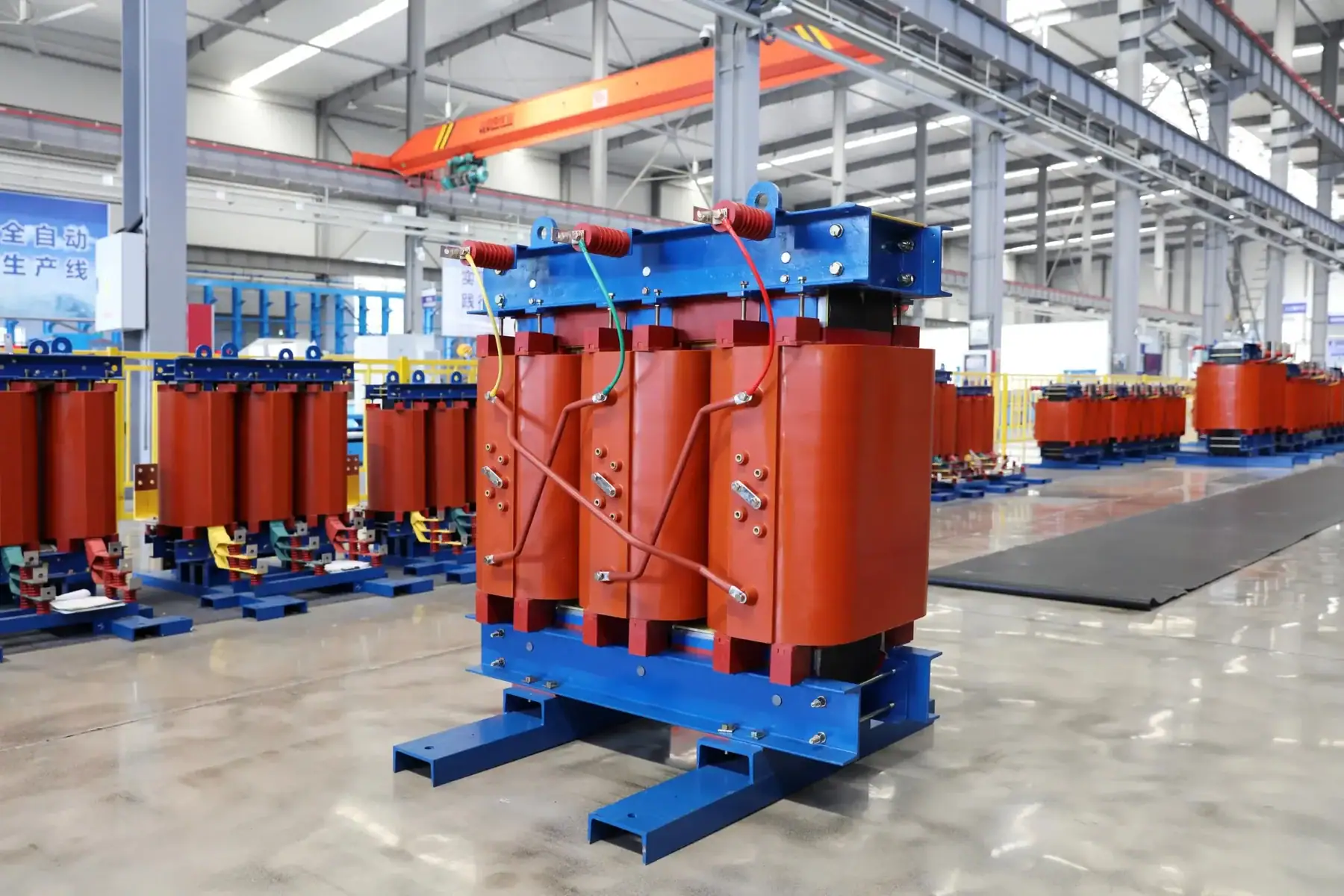
Navegar por el mar de opciones al seleccionar un fabricante de transformadores de tipo seco puede resultar abrumador. Con el auge de las soluciones de energía sostenible y la creciente necesidad de una infraestructura eléctrica confiable, encontrar la opción perfecta para los requisitos específicos de su proyecto es más importante que nunca. No se trata solo de elegir una marca reconocida; se trata de garantizar que está invirtiendo en calidad, eficiencia y confiabilidad a largo plazo.
Las estadísticas muestran que una selección inadecuada puede provocar una disminución de la eficiencia de hasta 20%, lo que significa que su elección tiene consecuencias tanto financieras como operativas. Imagine el problema de las interrupciones inesperadas del servicio o las facturas de energía elevadas debido a un transformador inadecuado. Esta publicación de blog tiene como objetivo simplificar el proceso de toma de decisiones, destacando las características clave de los principales fabricantes y brindándole las herramientas para tomar una decisión informada que se ajuste perfectamente a sus necesidades y prioridades específicas.

Factores clave a considerar al elegir un fabricante de transformadores de tipo seco
Al evaluar un fabricante de transformadores de tipo seco, el primer factor crítico son las especificaciones técnicas de las unidades que ofrece. Busque fabricantes que proporcionen datos claros sobre la tensión nominal, la clase de aislamiento, la capacidad de potencia y los límites de aumento de temperatura. Un proveedor de confianza garantizará que sus transformadores cumplan o superen las normas de la industria en cuanto a eficiencia energética, que a menudo se cuantifica mediante el porcentaje de impedancia y las pérdidas en el núcleo. La calidad de los materiales es igualmente importante: los núcleos de acero al silicio de primera calidad, las resinas epoxi de alta temperatura y los sistemas de aislamiento de clase H mejoran drásticamente el rendimiento y la vida útil, especialmente en entornos industriales exigentes.
Más allá de las especificaciones básicas, considere las capacidades de personalización. Su aplicación podría requerir configuraciones de montaje únicas, tomas de voltaje especializadas o sistemas de refrigeración mejorados. Un fabricante líder de transformadores de tipo seco debería poder adaptar los diseños a sus necesidades, manteniendo un estricto control de calidad. No pase por alto el servicio posventa: la asistencia técnica rápida, la disponibilidad inmediata de repuestos y las pautas de mantenimiento sencillas pueden ahorrarle importantes costos por tiempo de inactividad. Finalmente, equilibre el costo con el valor a largo plazo. La cotización más económica hoy podría traducirse en mayores gastos operativos o un reemplazo prematuro mañana, con pérdidas de eficiencia de hasta 20% reportadas cuando se instala un transformador inadecuado. Priorice la confiabilidad y el servicio, asegurándose así de obtener el mejor costo total de propiedad para su inversión.
Investigación de la reputación y la experiencia del fabricante.
La reputación y la trayectoria son indicadores clave de la fiabilidad de un fabricante de transformadores de tipo seco. Comience revisando estudios de caso y testimonios de clientes: estos ejemplos reales revelan el rendimiento de los productos del fabricante en diversas condiciones. Preste especial atención a proyectos similares en escala y sector al suyo, ya sean edificios comerciales, parques de energía renovable o infraestructura crítica. Si es posible, solicite referencias para poder hablar directamente con clientes anteriores sobre sus experiencias con los plazos de entrega, el rendimiento del producto y el servicio posventa.
La trayectoria en el sector también es importante. Un fabricante con décadas de experiencia probablemente haya superado las fluctuaciones del mercado, perfeccionado sus procesos de producción y establecido sólidos protocolos de garantía de calidad. Compruebe si participan en asociaciones comerciales o contribuyen a comités de estándares técnicos; la participación activa demuestra un compromiso con el avance tecnológico y el cumplimiento de las mejores prácticas. Además, consulte foros en línea y sitios de reseñas para obtener opiniones imparciales. Si bien ningún proveedor es perfecto, los elogios constantes o los problemas recurrentes le darán una idea clara de en qué empresas puede confiar para sus equipos críticos.
Evaluación de la fiabilidad a largo plazo y las opciones de garantía.
La fiabilidad a largo plazo es fundamental para cualquier inversión importante en el sector eléctrico. Al seleccionar un fabricante de transformadores de tipo seco, examine detenidamente las condiciones de la garantía. Una garantía integral suele cubrir los defectos de materiales y mano de obra durante un periodo determinado, generalmente de cinco a diez años. Algunos fabricantes van más allá y ofrecen garantías de rendimiento, asegurando que las pérdidas en el núcleo y el aumento de temperatura se mantengan dentro de los límites especificados durante toda la vigencia de la garantía. Estos compromisos demuestran confianza en la durabilidad del producto y pueden protegerle de costes inesperados de reparación o sustitución.
Además de las garantías, infórmese sobre los servicios de mantenimiento disponibles. ¿El fabricante ofrece inspecciones periódicas en campo, escaneo infrarrojo o servicios de limpieza para prevenir la entrada de humedad y la contaminación? ¿Disponen de repuestos y bobinas de recambio en stock o se envían rápidamente a petición? Una sólida red de servicio reduce el tiempo de inactividad y prolonga la vida útil del equipo. Considere también si ofrecen soluciones de monitorización remota: los sensores modernos pueden registrar la temperatura, la humedad y los ciclos de carga en tiempo real, alertándole sobre posibles problemas antes de que se agraven. Combinar una sólida cobertura de garantía con un mantenimiento y una monitorización proactivos garantiza que su transformador siga funcionando de forma eficiente durante décadas.
Revisión de las certificaciones y normas de cumplimiento del sector.
Las certificaciones y los estándares de cumplimiento son imprescindibles al elegir un fabricante de transformadores de tipo seco. Verifique que el fabricante cumpla con estándares de calidad internacionales como la norma ISO 9001 para sistemas de gestión de calidad. El cumplimiento con las normas IEEE o IEC (por ejemplo, IEEE C57.12.91 o IEC 60076) garantiza que su transformador cumpla con los rigurosos requisitos de rendimiento y seguridad. En Norteamérica, la certificación UL indica el cumplimiento con las pruebas de seguridad de Underwriters Laboratories, mientras que el marcado CE es obligatorio para los equipos vendidos dentro del Espacio Económico Europeo.
Las certificaciones ambientales y de eficiencia también desempeñan un papel fundamental. Busque los niveles de eficiencia ENERGY STAR o DOE 2016 para garantizar bajas pérdidas de núcleo y cobre. Algunos fabricantes obtienen ecoetiquetas adicionales por usar materiales que cumplen con la normativa RoHS y minimizar los compuestos orgánicos volátiles (COV) en los sistemas de resina. Más allá de las especificaciones del producto, las auditorías de fábrica realizadas por terceros, como TÜV o DNV, aportan credibilidad al confirmar que los procesos de producción, los controles de calidad y los protocolos de seguridad laboral del fabricante cumplen con los estándares globales. Priorizar a los proveedores certificados no solo garantiza el cumplimiento normativo, sino que también salvaguarda la fiabilidad operativa, el desempeño financiero y la responsabilidad ambiental.
Conclusión: Cómo tomar una decisión acertada para sus necesidades de transformadores
Elegir al fabricante adecuado de transformadores de tipo seco implica encontrar el equilibrio entre excelencia técnica, experiencia comprobada, sólidas garantías y certificaciones rigurosas. Al evaluar minuciosamente a cada proveedor según estos criterios, minimizará los riesgos de inactividad, ineficiencia y costos inesperados.
Con la información de esta guía, podrá seleccionar con confianza a los fabricantes cuyas ofertas se ajusten a la escala, el presupuesto y las exigencias de rendimiento de su proyecto. El socio adecuado no solo le proporcionará un transformador de alta calidad, sino que también le brindará soporte continuo para que sus operaciones se desarrollen sin problemas durante muchos años.

 English
 Français
 Español
 Deutsch