
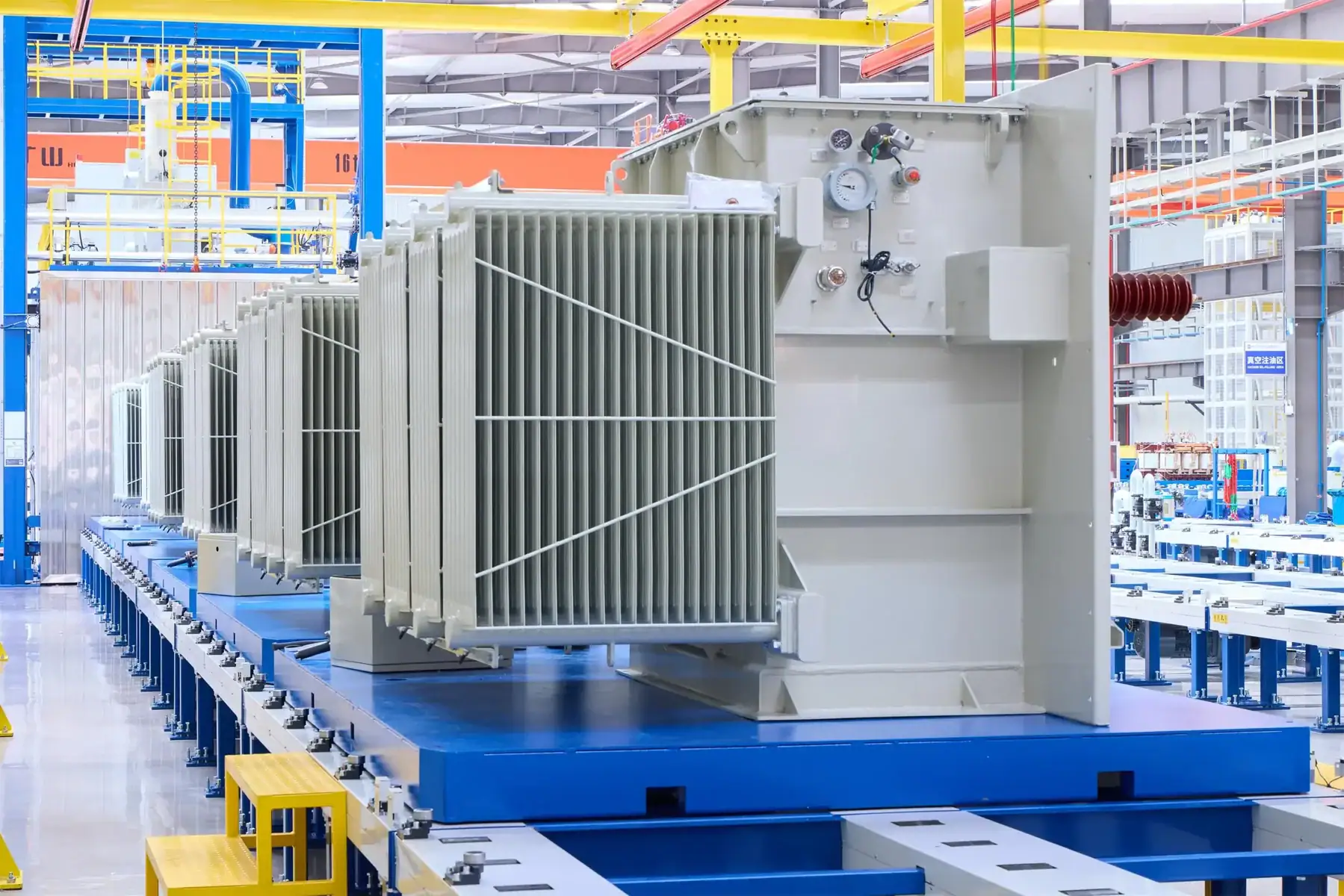
As we stand on the brink of a technological revolution, the role of leading OEM transformer manufacturers in shaping our future becomes ever more apparent. Every aspect of our modern world— from the electricity powering our homes to the intricate components within our electronic devices—relies heavily on these unsung heroes of innovation. OEM transformer manufacturers are not just meeting the demands of today; they are actively molding the possibilities of tomorrow. Their work forms the backbone of countless industries, ensuring that the energy fueling our daily lives is both efficient and reliable.
Behind every breakthrough in energy transmission and distribution lies a wealth of expertise and cutting-edge technology. These manufacturers are at the forefront of advancing our energy infrastructure, developing transformers that are not only more efficient but also increasingly sustainable. As we unveil the future, their relentless pursuit of excellence paves the way for groundbreaking advancements, redefining how we think about energy consumption and distribution. Join us as we delve deeper into the world of OEM transformer manufacturers, exploring their pivotal role in crafting a more electrified and interconnected future.

Evolution of Transformer Technology
The journey of transformer technology stretches back to the late 19th century, when the principles of electromagnetic induction were first harnessed to step voltage levels up or down. Early designs featured bulky, oil-filled cores that were efficient for their time but lacked the refined engineering we see today. Over the decades, materials science has progressed, giving rise to high-grade silicon steel cores and sophisticated winding techniques that dramatically reduced losses and improved performance. This evolution has been heavily influenced by leading players in the field, such as an OEM transformer manufacturer that continually refines its processes to meet ever-growing demands.
Modern transformers now incorporate advanced insulation materials, precision engineering, and automation in both assembly and testing. Digital monitoring and smart sensors allow real-time diagnostics, ensuring reliability and extending service life. As digitalization permeates the energy sector, transformers have become more than simple voltage converters—they are intelligent devices that communicate performance data to centralized control systems. This transformational arc from rudimentary coils and cores to today’s smart, interconnected devices underscores the enduring commitment of original equipment manufacturers to push the boundaries of what transformers can achieve in a rapidly evolving energy landscape.
Advancements in Energy Efficiency
Energy efficiency has become a critical benchmark for transformer performance, as industries and utilities seek to minimize power losses and reduce operational costs. Recent innovations include ultra-low-loss core materials, such as advanced nanocrystalline alloys, which significantly cut no-load losses. Improved winding configurations further optimize current distribution, while vacuum pressure impregnation techniques enhance insulation reliability. Collectively, these advancements enable transformers to achieve efficiency levels previously thought unattainable.
Another leap forward lies in comprehensive thermal management solutions. By employing advanced cooling systems—ranging from enhanced oil circulation to synthetic ester fluids with superior heat transfer properties—manufacturers can maintain optimal operating temperatures under heavy loads. This not only prolongs transformer lifespan but also reduces the need for frequent maintenance shutdowns. Such progress reflects the continuous focus of OEM transformer manufacturer professionals on delivering equipment that aligns with global energy efficiency standards while offering tangible economic benefits to end-users.
Prácticas sostenibles en la fabricación de transformadores
Environmental stewardship is no longer optional in the modern manufacturing landscape. Leading transformer producers are embracing sustainable practices that span the entire production cycle. From sourcing raw materials through certified, low-impact suppliers to implementing closed-loop recycling for insulating oils, companies aim to minimize their ecological footprint. Water conservation measures and energy-efficient factory designs further underscore this commitment.
Moreover, the integration of lifecycle assessment tools allows manufacturers to quantify environmental impact at every stage, guiding investment in greener technologies. By adopting renewable energy sources—such as on-site solar and wind installations—to power production lines, transformer makers reduce carbon emissions associated with manufacturing. These holistic approaches demonstrate how sustainability and profitability can coexist, reinforcing the reputation of forward-thinking OEM transformer manufacturers as responsible stewards of both technology and the planet.
Key Innovations Driving the Future
Looking ahead, several breakthroughs promise to reshape transformer design and application. Solid-state transformers (SSTs), leveraging power electronics and semiconductor materials, offer unparalleled flexibility in voltage regulation and grid integration. These devices can dynamically adjust output parameters, enabling seamless integration with renewable energy sources and microgrids. Additionally, the advent of additive manufacturing opens new possibilities for custom core and winding geometries, reducing material waste and accelerating prototyping.
Artificial intelligence and machine learning are also playing a pivotal role in predictive maintenance and performance optimization. By analyzing vast datasets collected from transformer sensors, AI-driven platforms can predict faults before they occur, schedule maintenance more effectively, and even recommend design improvements. As these innovations converge, the next generation of transformers will be not only highly efficient but also adaptive, self-diagnosing, and deeply integrated into the smart grids of tomorrow.
Conclusion: The Promising Future Ahead
The ongoing evolution of transformer technology, driven by energy efficiency, sustainability, and cutting-edge innovations, points to an electrified future brimming with opportunity. OEM transformer manufacturers stand at the heart of this transformation, ensuring that power delivery is reliable, cost-effective, and environmentally responsible.
As we embrace smart grids, renewable integration, and advanced manufacturing techniques, these industry leaders will continue to pioneer solutions that power our lives in increasingly intelligent ways. The future of energy is bright, and with the expertise of top-tier transformer producers, we are well-equipped to meet the challenges ahead.



 English
 Français
 Español
 Deutsch