

Have you ever pondered how electricity manages to travel from a power station to that tiny bulb lighting up your room without losing its intensity? Or perhaps you’ve wondered about the formidable-looking apparatus perched atop utility poles or nestled within substations—the electrical transformer. This unsung hero of modern power distribution plays a crucial role in our everyday lives, yet it often goes unnoticed. Understanding what an electrical transformer does can demystify a significant part of our everyday energy consumption, unlocking insights into how these devices maintain the stability and efficiency of our power systems.
In a world increasingly driven by technological advancements, the seamless flow of electricity is more vital than ever. Transformers are pivotal in this energy equation, ensuring the lights stay on and our devices remain charged. Despite their importance, the workings of these devices often remain shrouded in complexity for many. By decoding their function and operation, we can appreciate how integral they are to both our daily comfort and the broader scope of global energy sustainability. Dive in with us as we unravel the mysteries behind these fascinating machines, shedding light on their indispensable place within the infrastructure of modern civilization.
The Basics of Electricity: A Primer
Electricity is the movement of electrons through a conductor, driven by a difference in electric potential known as voltage. When that voltage is applied across a circuit, it pushes electrons along a path, creating an electric current. This current powers everything from tiny LED indicators to massive industrial motors. Fundamental concepts such as voltage (measured in volts), current (measured in amperes), and resistance (measured in ohms) govern how electricity behaves in circuits. Ohm’s law—V = I × R—describes the direct relationship between these parameters, shaping the design of electrical systems worldwide.
Modern power systems predominantly use alternating current (AC) rather than direct current (DC). In AC systems, the direction of current flow reverses periodically, which makes it more efficient for long-distance transmission. Transmitting power at high voltages reduces energy losses in the form of heat, thanks to lower current for the same power level (P = V × I). However, high-voltage electricity is unsafe for use in homes and businesses, necessitating devices to adjust voltage levels. Enter the transformer: a device designed to step voltage up or down, enabling efficient distribution followed by safe consumption.
Introduction to Electrical Transformers
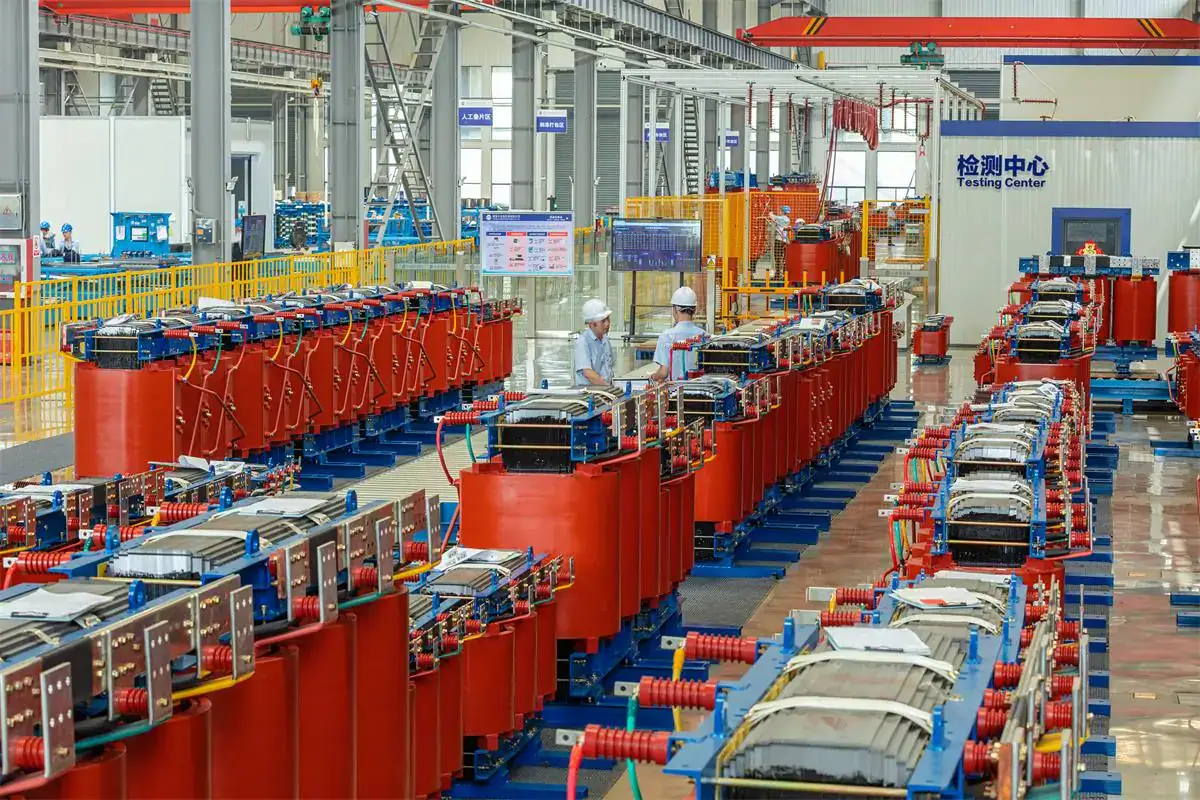
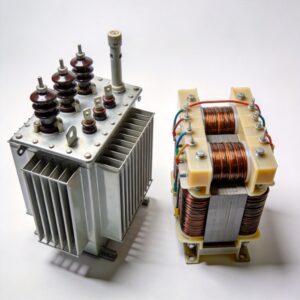
At its simplest, an electrical transformer is a static device constructed from two or more coils of wire wrapped around a shared magnetic core. When an alternating current flows through the primary winding, it generates a changing magnetic field in the core. According to Faraday’s law of electromagnetic induction, this varying magnetic flux induces a voltage in the secondary winding. Depending on the ratio of turns between the primary and secondary coils, the transformer either increases (step-up) or decreases (step-down) the voltage. This core principle explains what an electrical transformer does at every stage of power delivery, balancing transmission efficiency with user safety.
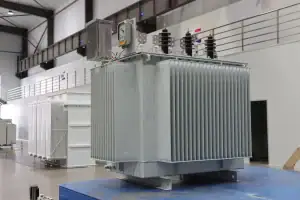
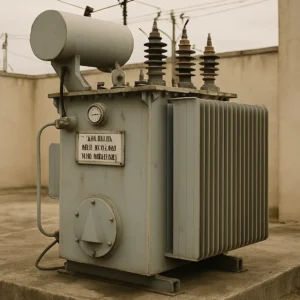
Transformers come in various types—power transformers for grid applications, distribution transformers for neighborhood substations, and instrument transformers for measurement and protection. Each serves a distinct role: power transformers operate at higher voltages and handle large capacities, while distribution transformers step voltage down to levels suitable for residential and commercial use. Instrument transformers, such as current and potential transformers, provide scaled-down signals for metering and protective relays. Together, they form an integrated network that delivers stable, reliable electricity across the globe.
How Does an Electrical Transformer Work?
The operation of an electrical transformer hinges on two fundamental principles: electromagnetic induction and mutual coupling. When AC voltage is applied to the primary coil, alternating current generates a time-varying magnetic flux in the transformer’s laminated iron core. This flux travels through the core and links with the secondary coil. As the magnetic field intersects the secondary winding, it induces an electromotive force (EMF) proportional to the number of turns in that coil. The ratio of secondary to primary turns determines whether the transformer raises or lowers voltage. A higher turn count on the secondary yields a step-up transformer, while fewer turns produce a step-down unit.
Efficient magnetic coupling between coils is essential for minimizing losses and ensuring reliable performance. The laminated core reduces eddy current losses, while high-permeability steel channels the magnetic flux. Copper or aluminum windings, often coated for insulation and heat resistance, conduct the currents with minimal resistive losses. Transformer efficiency can exceed 98 %, though some energy is inevitably lost as heat due to winding resistance and core hysteresis. Cooling systems—ranging from simple air-cooling fins to oil-immersed arrangements with pumps and radiators—dissipate this heat, maintaining optimal operating temperatures and prolonging the transformer’s lifespan.
Maintenance and Safety Considerations for Transformers
Regular maintenance is vital to preserve the reliability and longevity of electrical transformers. Routine inspections include thermal imaging to detect hotspots, dissolved gas analysis (DGA) of transformer oil to identify early signs of arcing or insulation breakdown, and tightness checks on connections and bushings. For oil-filled transformers, oil samples are tested for moisture content and dielectric strength. Dry-type transformers require visual inspection of coil surfaces and ventilated enclosures to ensure that dust and debris do not impede cooling. Scheduled load checks help verify that transformers are not overloaded, which can accelerate insulation aging and degrade performance.
Safety around transformers is paramount. High-voltage equipment mandates strict lockout/tagout procedures during maintenance, ensuring that circuits are de-energized before any work begins. Personnel should wear appropriate personal protective equipment (PPE), including insulated gloves, face shields, and arc-flash garments. Clear signage and barriers keep unauthorized individuals at a safe distance, while proper grounding and lightning protection mitigate the risk of transient overvoltages. By combining diligent maintenance with rigorous safety protocols, operators can minimize downtime, prevent catastrophic failures, and safeguard both personnel and equipment.
Conclusion: The Unsung Heroes of Modern Civilization
Electrical transformers quietly underpin the reliable delivery of power, stepping voltages up for efficient long-distance transmission and stepping them down for safe local use. Though often overlooked, they are crucial in balancing the demands of high-voltage networks with everyday consumer needs.
By understanding what an electrical transformer does—from the principles of electromagnetic induction to the importance of regular maintenance and safety—we can better appreciate their indispensable role in modern energy systems. These unassuming devices truly deserve recognition as the workhorses that keep our lights on and our world connected.

 English
 Français
 Español
 Deutsch