

En el complejo mundo del diseño de subestaciones, donde la precisión y la eficiencia son primordiales, un componente a menudo subestimado —el transformador auxiliar— es clave para lograr mejoras significativas en funcionalidad y confiabilidad. Imagine un dispositivo que no solo alimenta equipos esenciales, sino que también actúa como un guardián silencioso, asegurando que su sistema de distribución de energía se mantenga resiliente en diversas circunstancias. El transformador auxiliar es precisamente eso: un elemento fundamental, aunque discreto, en el vasto ecosistema eléctrico, con el potencial de transformar la forma en que las subestaciones operan, se adaptan y prosperan en el panorama energético en constante evolución.
Para comprender plenamente la importancia del transformador auxiliar en las subestaciones eléctricas, debemos analizar sus múltiples funciones, desde la estabilización de las fluctuaciones de voltaje hasta el soporte de sistemas de seguridad críticos. Este componente multifuncional realiza sus tareas con una eficacia impresionante, manteniendo un perfil bajo. Tanto si eres un veterano del sector como si te inicias en el diseño de subestaciones, esta publicación te mostrará las capacidades transformadoras de los transformadores auxiliares, ofreciéndote información valiosa que podría redefinir tu enfoque para la construcción y el mantenimiento de infraestructuras energéticas sostenibles.

Fundamentos de los transformadores auxiliares en el diseño de subestaciones
La base de cualquier sistema de distribución de energía fiable reside en una comprensión clara de sus componentes principales, entre los que destaca el transformador auxiliar en una subestación. A diferencia de los transformadores de potencia, que se encargan de la conversión de voltaje para la transmisión, los transformadores auxiliares reducen la tensión de las líneas de media tensión (generalmente de 11 kV, 33 kV o 66 kV) a niveles más seguros (normalmente de 400 V o 230 V), adecuados para circuitos de control, iluminación, calefacción y sistemas de carga de baterías. En esencia, sirven de puente entre la infraestructura de alta tensión y los equipos de baja tensión, garantizando así que la subestación siga funcionando de forma segura y respondiendo a las variaciones de carga.
Estos transformadores suelen presentar una construcción robusta, con aislamiento en aceite o seco, para soportar sobrecargas y condiciones ambientales adversas. Su diseño prioriza las bajas pérdidas, la alta eficiencia y una excelente regulación de voltaje, lo que garantiza que los sistemas auxiliares críticos, como relés de protección, interfaces SCADA e iluminación de emergencia, reciban energía constante incluso cuando la red principal sufre fluctuaciones o perturbaciones temporales. De este modo, el transformador auxiliar actúa como estabilizador de voltaje y como elemento vital para los equipos esenciales de control y protección.
Mejora de la fiabilidad de las subestaciones mediante transformadores auxiliares
La fiabilidad en las operaciones de las subestaciones es fundamental, y los transformadores auxiliares desempeñan un papel crucial para lograrla. Al proporcionar una fuente de alimentación dedicada y aislada de fallas para los circuitos de control, estos transformadores garantizan que los relés de protección, los módulos de comunicación y los sistemas de alarma permanezcan energizados incluso durante el mantenimiento del transformador principal o en caso de cortes inesperados. Este aislamiento evita que las fallas en el lado de alta tensión se propaguen a los sistemas críticos de baja tensión, lo que refuerza la resiliencia general de la subestación y reduce el riesgo de apagones generalizados.
La redundancia es otra característica distintiva del diseño eficaz de subestaciones. Muchos ingenieros implementan múltiples transformadores auxiliares en configuraciones paralelas o escalonadas, de modo que si una unidad falla o requiere mantenimiento, las demás asumen la carga sin interrupciones. Esta estrategia de redundancia N+1 o N+2 minimiza el tiempo de inactividad y permite la monitorización continua, la conmutación y la respuesta ante emergencias. Además, mediante el uso de controles avanzados de cambiadores de tomas y sensores de monitorización de temperatura, los transformadores auxiliares modernos pueden adaptarse en tiempo real a las variaciones de carga, lo que mejora aún más la fiabilidad del sistema y prolonga su vida útil.
Diferentes tipos de transformadores auxiliares utilizados en subestaciones
Las subestaciones utilizan una variedad de tipos de transformadores auxiliares para adaptarse a los requisitos operativos y ambientales específicos. Los más comunes son: transformadores sumergidos en aceite, Conocidas por su excelente capacidad de refrigeración y larga vida útil, estas unidades utilizan aceite mineral o fluidos a base de ésteres para disipar el calor, lo que las hace ideales para instalaciones exteriores en regiones con temperaturas extremas. Su diseño robusto y su trayectoria comprobada las convierten en la opción preferida para subestaciones eléctricas de alto rendimiento.
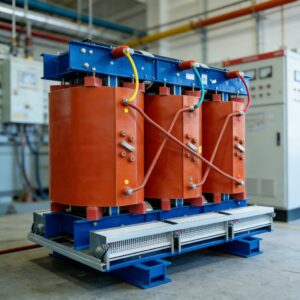
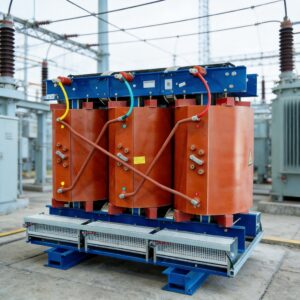
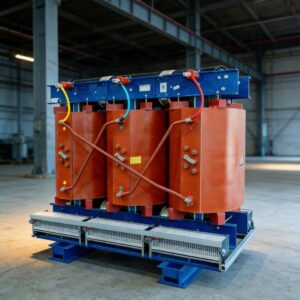
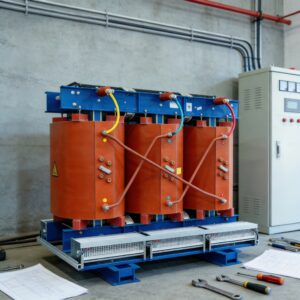
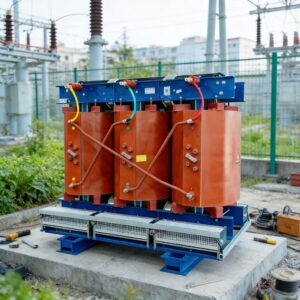
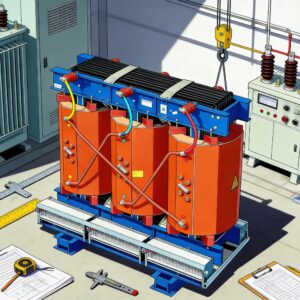
En cambio, los transformadores auxiliares de tipo seco utilizan encapsulado de aire o resina para el aislamiento y la refrigeración. Al no contener líquidos inflamables, ofrecen mayor seguridad en espacios interiores o confinados, como salas de control o subestaciones urbanas. Estas variantes de resina fundida requieren poco mantenimiento, son respetuosas con el medio ambiente y presentan niveles de ruido reducidos, ventajas que pueden compensar el coste inicial ligeramente superior. Los transformadores elevadores-reductores especializados, diseñados para pequeños ajustes de tensión, también encuentran aplicaciones específicas donde se requiere una corrección precisa de la tensión sin el tamaño de las unidades reductoras de tensión convencionales.
Maximizar la eficiencia mediante el dimensionamiento y la ubicación adecuados de los transformadores auxiliares.
Optimización de la eficiencia El proceso comienza con una evaluación precisa de la carga. Los ingenieros deben calcular el requerimiento total de energía auxiliar, considerando los paneles de control, la iluminación, el sistema de climatización, los cargadores de baterías y los sistemas de emergencia. Posteriormente, deben dimensionar el transformador para que funcione con una carga óptima, generalmente entre 60% y 80% de capacidad nominal. El sobredimensionamiento genera pérdidas de capital y aumenta las pérdidas en vacío, mientras que el subdimensionamiento conlleva el riesgo de sobrecalentamiento y una menor vida útil del equipo. Seleccionar un transformador con núcleos de alta eficiencia y bobinados de bajas pérdidas puede reducir aún más los costos operativos durante su vida útil.
La ubicación es igualmente crucial. Instalar el transformador auxiliar cerca de la mayor parte de las cargas de baja tensión reduce la longitud de los cables, la caída de tensión y los costos de instalación. En la práctica, esto suele implicar ubicar la unidad cerca de los edificios de control o las salas de relés, con ventilación adecuada, bandejas de recogida de condensado (para transformadores sumergidos en aceite) y fácil acceso para el mantenimiento. La ubicación estratégica también considera las zonas de separación de fallas y las separaciones físicas exigidas por las normas de seguridad, lo que garantiza que una falla en el transformador principal o en el cuadro de distribución no comprometa el suministro auxiliar.
Conclusión: Aprovechar todo el potencial de los transformadores auxiliares en el diseño de subestaciones.
Los transformadores auxiliares son mucho más que simples dispositivos reductores; son fundamentales para la fiabilidad, la seguridad y la eficiencia de las subestaciones. Al comprender sus funciones esenciales, explorar los distintos tipos disponibles e implementarlos con un dimensionamiento adecuado y una ubicación estratégica, los ingenieros pueden alcanzar niveles de rendimiento que los diseños tradicionales simplemente no pueden igualar.
Aprovechar al máximo el potencial del transformador auxiliar en el diseño de subestaciones implica invertir en una infraestructura energética robusta, capaz de satisfacer las demandas actuales y afrontar las incertidumbres del futuro. Con una planificación y una implementación cuidadosas, estos guardianes silenciosos seguirán protegiendo nuestras redes eléctricas e impulsando el crecimiento sostenible del sector energético.

 English
 Français
 Español
 Deutsch