

En la infraestructura eléctrica actual, que evoluciona rápidamente, transformador de resina de moldeo se ha convertido en una solución clave para una distribución de energía segura y eficiente. Como un tipo de transformador de tipo seco, Se utiliza ampliamente en aplicaciones comerciales, industriales y residenciales debido a su fiabilidad, seguridad y ventajas medioambientales.
Índice
ToggleA diferencia de los transformadores tradicionales llenos de aceite, este transformador de resina epoxi utiliza aislamiento sólido en lugar de líquido, lo que reduce los riesgos y mejora el rendimiento en los sistemas eléctricos modernos.
 ¿Qué es un transformador de resina fundida?
 ¿Qué es un transformador de resina fundida?
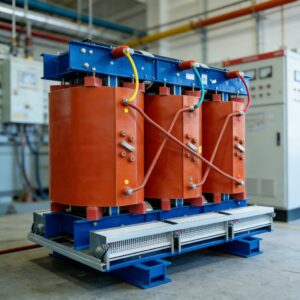
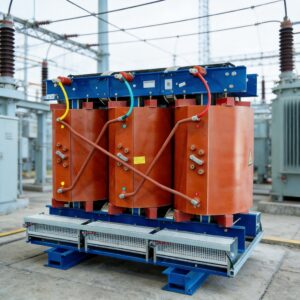
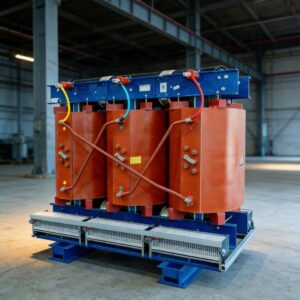
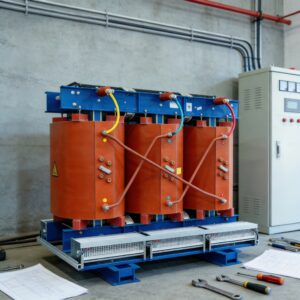
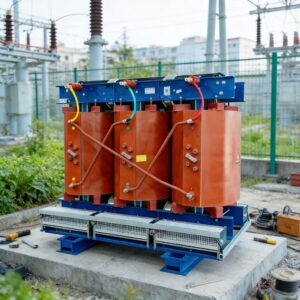
A transformador de resina de moldeo Está diseñado con bobinados totalmente encapsulados en resina epoxi. Esta estructura protege los componentes internos de la humedad, el polvo y los contaminantes, a la vez que mejora su resistencia térmica y mecánica.
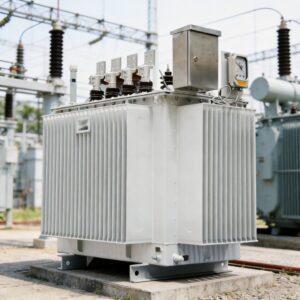
Debido a que no depende del aceite aislante, se considera más seguro y más respetuoso con el medio ambiente. transformador de distribución de energía, especialmente para instalaciones interiores y entornos sensibles.
Características principales del transformador de resina fundida
Alto nivel de seguridad
La ausencia de aceite elimina el riesgo de fugas y reduce significativamente los riesgos de incendio. Esto lo hace ideal para Aplicaciones de transformadores de interior en espacios públicos.
Gran durabilidad
El aislamiento de resina epoxi proporciona una excelente protección contra los factores ambientales, lo que garantiza una estabilidad a largo plazo y un funcionamiento fiable incluso en condiciones adversas.
Requiere poco mantenimiento
En comparación con las unidades llenas de aceite, una transformador de tipo seco Requiere un mantenimiento mínimo. No es necesario controlar ni cambiar el aceite, lo que reduce los costes operativos.
Aplicaciones de transformadores de resina fundida
Distribución de energía comercial
En entornos comerciales como centros comerciales, edificios de oficinas, hospitales y centros de datos, el transformador de resina fundida juega un papel crucial. Se utiliza comúnmente como un Transformador de media y baja tensión, reduciendo la tensión media a baja tensión para un uso seguro de la electricidad.
Su estructura compacta y su funcionamiento silencioso lo hacen perfecto para zonas con mucha actividad humana.

Aplicaciones industriales
En los sectores industriales, incluidos plantas de fabricación, refinerías e instalaciones de procesamiento, Este transformador industrial garantiza un suministro de energía estable y eficiente.
Puede soportar altas cargas eléctricas manteniendo su rendimiento, lo que la hace adecuada para entornos exigentes con polvo, humedad o vibraciones.
Infraestructura residencial y urbana
Aunque menos comunes, los transformadores de resina fundida se utilizan en edificios residenciales de gran altura y proyectos de infraestructura urbana donde la seguridad, el control del ruido y la optimización del espacio son esenciales.
Proporcionan un suministro eléctrico fiable y constante para entornos de vida modernos.
Ventajas de los transformadores de resina fundida
Eficiencia energética
Como un transformador de alta eficiencia energética, Minimiza las pérdidas de energía durante el funcionamiento. Esto conlleva un menor consumo de electricidad y una reducción de los costes operativos a largo plazo.
Protección del medio ambiente
Sin petróleo, no hay riesgo de derrames ni contaminación. Esto lo convierte en una opción ecológica que apoya normas de construcción ecológica y sistemas de energía sostenible.
Reducción de ruido
El diseño del transformador garantiza bajos niveles de ruido, lo que lo hace adecuado para zonas comerciales y residenciales donde se requiere un funcionamiento silencioso.
Instalación compacta y flexible
Su tamaño compacto permite la instalación en espacios reducidos, lo que proporciona flexibilidad en el diseño y la disposición de los sistemas eléctricos.
Seguridad contra incendios y fiabilidad
Uno de los beneficios más importantes de un transformador de resina fundida es su rendimiento resistente al fuego. El aislamiento de resina epoxi es autoextinguible, lo que mejora significativamente la seguridad en entornos críticos como hospitales, aeropuertos e instalaciones subterráneas.
Este alto nivel de seguridad garantiza un funcionamiento fiable incluso en situaciones de emergencia.
Consideraciones sobre la instalación y el mantenimiento
Instrucciones de instalación
- Instalar en una zona bien ventilada para garantizar una refrigeración adecuada.
- Garantizar un fácil acceso para la inspección y el mantenimiento.
- Elija la protección de cerramiento adecuada en función del entorno.
Prácticas de mantenimiento
Aunque los requisitos de mantenimiento son bajos, se recomienda una inspección periódica:
- Compruebe si hay grietas o daños en la resina.
- Asegúrese de que los sistemas de ventilación funcionen correctamente.
- Supervise la temperatura de funcionamiento y las condiciones de carga.
El mantenimiento regular ayuda prolongar la vida útil del transformador.
Preguntas frecuentes: Transformador de resina fundida
1. ¿Para qué se utiliza un transformador de resina fundida?
Se utiliza para distribución de energía en aplicaciones comerciales, industriales y residenciales, especialmente donde la seguridad y la protección del medio ambiente son importantes.
2. ¿En qué se diferencia de un transformador lleno de aceite?
Un transformador de resina fundida utiliza aislamiento sólido en lugar de aceite, lo que lo hace más seguro, más ecológico y más fácil de mantener.
3. ¿Es apto para instalación en interiores?
Sí, es ideal para ambientes interiores debido a su Bajo riesgo de incendio y funcionamiento silencioso.
4. ¿Qué industrias utilizan transformadores de resina fundida?
Se utilizan ampliamente en edificios comerciales, fábricas, sistemas de energía renovable y proyectos de infraestructura.
5. ¿Requiere mantenimiento regular?
El mantenimiento es mínimo, pero se recomiendan inspecciones periódicas para garantizar un rendimiento óptimo.
Conclusión
En transformador de resina de moldeo es una solución moderna, eficiente y confiable para distribución de energía en diversas industrias. Con ventajas como Alta seguridad, bajo mantenimiento, eficiencia energética y respeto al medio ambiente., Se ha convertido en una alternativa preferida a los transformadores tradicionales.
Ya sea que se utilice en edificios comerciales, plantas industriales o complejos residenciales, este tipo de transformador de tipo seco Garantiza un rendimiento eléctrico estable y seguro. Invertir en tecnología de transformadores de resina fundida no solo mejora la eficiencia operativa, sino que también contribuye a sistemas energéticos sostenibles y preparados para el futuro.

 English
 Français
 Español
 Deutsch