
Introducción
Los transformadores son esenciales en los sistemas eléctricos, ya que convierten los niveles de voltaje para adaptarlos a diferentes aplicaciones. Existen dos tipos principales:tipo seco y transformadores de tipo aceite—cumplen propósitos distintos. Este artículo explora sus diferencias clave en refrigeración, seguridad, mantenimiento y aislamiento, ayudándote a elegir el adecuado para tus necesidades.
¿Qué es un transformador?
Los transformadores transfieren energía eléctrica entre circuitos mediante inducción electromagnética. Aumentan o disminuyen el voltaje para permitir transmisión y distribución de energía eficientes. Su eficiencia afecta a los costes energéticos, la fiabilidad y el rendimiento general del sistema.
¿Qué es un transformador de tipo seco?
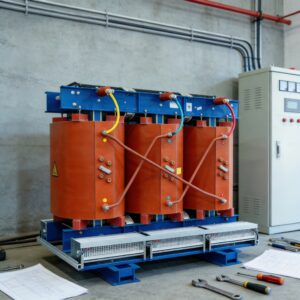
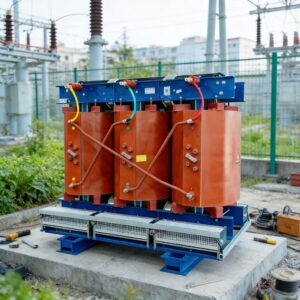
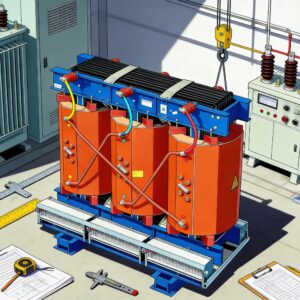
Los transformadores de tipo seco (resina fundida) utilizan aire para refrigeración y materiales de aislamiento sólido para protección. Al no contener aceite, eliminan los riesgos de fugas y son ideales para ambientes interiores tales como hospitales, oficinas y edificios comerciales.
¿Qué es un transformador de tipo aceite?
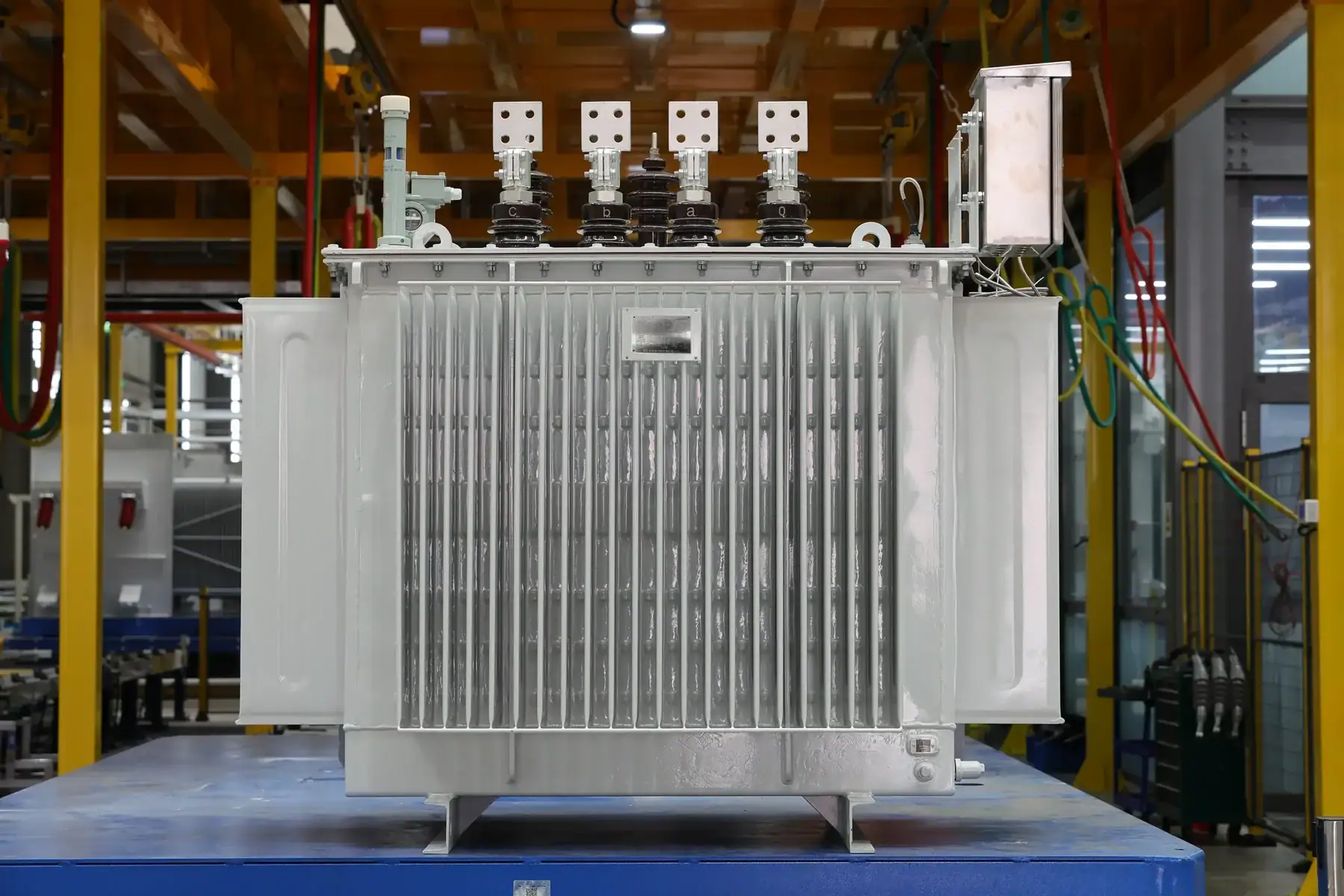
Los transformadores de tipo aceite (refrigerados por aceite) utilizan aceite mineral o fluido aislante para ambos refrigeración y aislamiento. El aceite circula para disipar el calor y proteger las partes internas, lo que permite mayor capacidad de potencia y mayor esperanza de vida, a menudo utilizado en aplicaciones industriales y para exteriores.

Sistemas de refrigeración
Refrigeración de tipo seco
Usos ventilación natural o forzada para la disipación del calor. Requiere poco mantenimiento y es respetuoso con el medio ambiente, pero su eficiencia a altas cargas es limitada.
Refrigeración por aceite
El petróleo proporciona transferencia de calor superior, lo que permite su funcionamiento bajo cargas pesadas. Sin embargo, requiere análisis y control periódicos del aceite.
Consideraciones de seguridad
Transformadores de tipo seco
Bajo riesgo de incendio (sin líquidos inflamables)
Sin contaminación ambiental
Ideal para áreas cerradas o pobladas.
Transformadores de tipo aceite
Mayor riesgo de incendio debido al petróleo.
Riesgos potenciales de fugas
Requiere sistemas de seguridad y contención.
Requisitos de mantenimiento
Tipo seco
Mantenimiento mínimo: limpieza periódica del polvo e inspección del aislamiento y los conductos de aire.
Tipo de aceite
Alto mantenimiento: requiere comprobación del nivel de aceite, pruebas dieléctricas, y monitoreo regular para prevenir la contaminación o las fugas.
Métodos de aislamiento
Tipo seco
Usos aislamiento sólido a base de resina, Duradero y limpio, ideal para interiores y ambientes delicados.
Tipo de aceite
Usos aceite como aislante y refrigerante, eficaz para alto voltaje, pero requiere un control de calidad constante.
Aplicaciones
Tipo seco: Entornos interiores, sensibles y respetuosos con el medio ambiente (por ejemplo, hospitales, oficinas, centros de datos).
Tipo de aceite: Ubicaciones al aire libre, de alta carga o remotas (por ejemplo, subestaciones eléctricas, fábricas, minas).

Comparación de costos
Tipo seco
Mayor coste inicial
Menor mantenimiento a largo plazo
Ecológico y más seguro para espacios cerrados.
Tipo de aceite
Menor costo de compra
Mayores gastos de mantenimiento
Excelente rendimiento para operaciones de servicio pesado.
Conclusión
Ambos tipo seco y transformadores de tipo aceite desempeñan funciones vitales en los sistemas de energía.
Elegir tipo seco para mayor seguridad, bajo mantenimiento y entornos limpios.
Elegir tipo de aceite Para alta potencia, durabilidad e instalaciones en exteriores.
Comprender sus diferencias permite tomar decisiones más inteligentes que garanticen eficiencia, fiabilidad y seguridad en cualquier instalación eléctrica.

 English
 Français
 Español
 Deutsch