
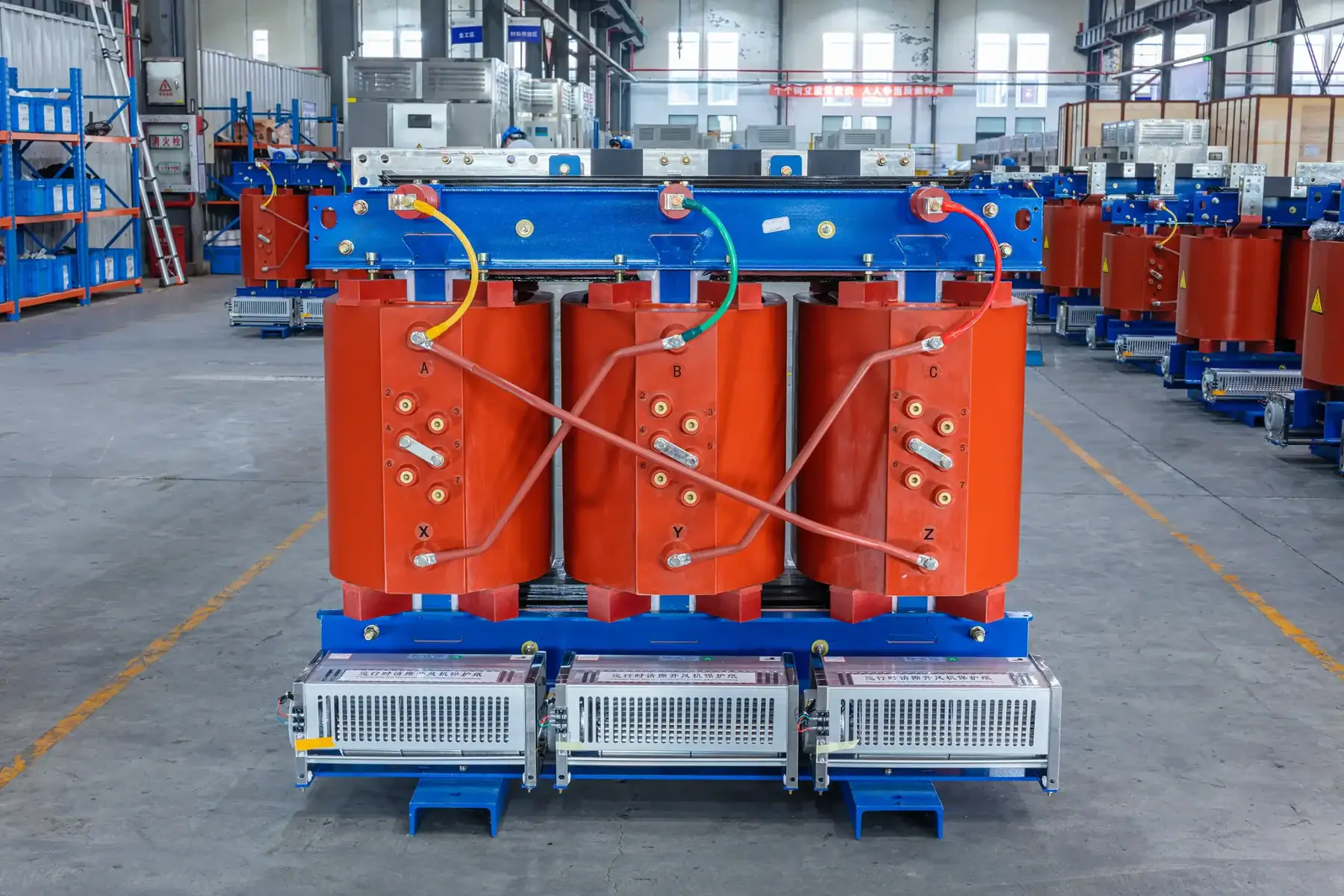
A la hora de elegir el transformador adecuado para sus necesidades eléctricas, los transformadores de tipo seco representan una opción muy atractiva. A diferencia de los transformadores llenos de aceite, los transformadores de tipo seco ofrecen varias ventajas únicas. Este artículo analiza en profundidad los múltiples beneficios de utilizar transformadores de tipo seco, defendiendo su adopción tanto en entornos industriales como comerciales.

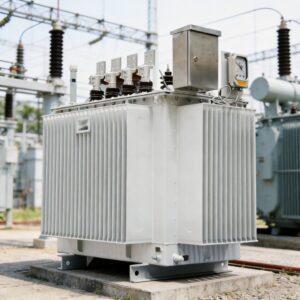
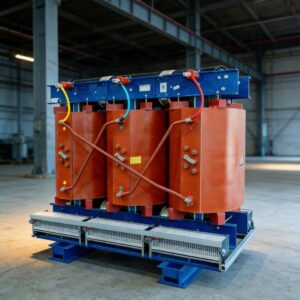
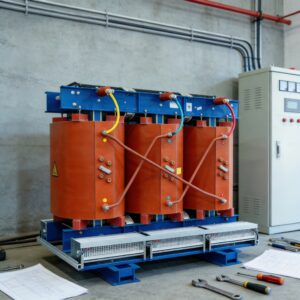
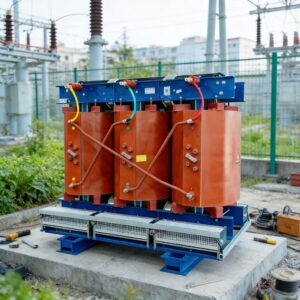
Los transformadores de tipo seco son transformadores que funcionan sin ningún aislamiento líquido. En su lugar, utilizan aire como medio de refrigeración. Este diseño los distingue de los transformadores llenos de aceite, que Dependen del petróleo para el aislamiento y la refrigeración.. La ausencia de aceite hace que los transformadores de tipo seco sean mucho más seguros y respetuosos con el medio ambiente.
Seguridad de los transformadores de tipo seco
Una de las ventajas más destacadas de los transformadores de tipo seco es su seguridad. Al no contener aceite, el riesgo de incendio se reduce significativamente. calidad de transformador resistente al fuego Esto las hace ideales para instalaciones interiores y lugares donde la seguridad es primordial.
Cualidades resistentes al fuego
Los materiales utilizados en los transformadores de tipo seco suelen ser autoextinguibles. Esto significa que, en el improbable caso de una avería, el riesgo de propagación del fuego se reduce considerablemente. Esta característica no solo protege la infraestructura, sino que también garantiza la seguridad del personal que trabaja en las proximidades.

Beneficios medioambientales
En el mundo actual, donde la conciencia ambiental es cada vez mayor, las ventajas ecológicas de los transformadores de tipo seco son innegables. La ausencia de aceite elimina el riesgo de contaminación del suelo o derrames, que pueden tener consecuencias ambientales devastadoras.
Transformadores ecológicos
Los transformadores de tipo seco son, por su diseño, inherentemente ecológicos. Contribuyen a reducir la huella de carbono de una instalación, en consonancia con las prácticas de construcción sostenible y las soluciones energéticas sostenibles.
Fiabilidad y rendimiento
La fiabilidad es un factor crítico en los transformadores. Los transformadores de tipo seco ofrecen una fiabilidad excepcional gracias a su diseño robusto y a sus mínimas necesidades de mantenimiento.
Fiabilidad de los transformadores secos
Estos transformadores son conocidos por su capacidad para soportar condiciones ambientales adversas, incluyendo humedad y contaminantes químicos. Esta robustez garantiza una larga vida útil y un rendimiento constante, lo que los convierte en una opción fiable para diversas aplicaciones.
Transformador de bajo mantenimiento
El mantenimiento es otro aspecto en el que destacan los transformadores de tipo seco. Al no requerir aceite, estos transformadores necesitan menos mantenimiento que sus homólogos lubricados. Esta característica de bajo mantenimiento se traduce en menores costos operativos a largo plazo.
Diseño compacto y flexible
En Diseño compacto de transformadores de tipo seco Permite una mayor flexibilidad de instalación. Esto resulta especialmente ventajoso en entornos urbanos donde el espacio es limitado.
Ventajas para ahorrar espacio
El tamaño compacto de los transformadores de tipo seco permite instalarlos en espacios reducidos sin comprometer su rendimiento. Esta ventaja es crucial en aplicaciones donde cada metro cuadrado cuenta, como en edificios comerciales e instalaciones industriales.

Sin aceite, no hay problema.
La ausencia de aceite en los transformadores de tipo seco representa una ventaja significativa. El aceite en los transformadores puede plantear diversos problemas, como posibles fugas y la necesidad de realizar pruebas y mantenimiento periódicos.
Ventajas de un transformador sin aceite
Sin petróleo, se eliminan las complejidades asociadas con la manipulación y eliminación de materiales peligrosos. Esta simplificación de las tareas de mantenimiento no solo reduce los costos, sino que también minimiza el impacto ambiental.
Mayor seguridad para el personal
Además de reducir los riesgos de incendio, los transformadores de tipo seco mejoran la seguridad del personal de otras maneras. Sus materiales no tóxicos y la ausencia de riesgos relacionados con el aceite los convierten en una opción más segura para entornos donde las personas trabajan cerca de equipos eléctricos.
Rentabilidad a lo largo del tiempo
Si bien la inversión inicial puede ser mayor que la de los modelos con aceite, su rentabilidad a largo plazo se hace evidente con el tiempo. Los menores requisitos de mantenimiento y la mayor vida útil contribuyen a un menor costo total de propiedad.
Ahorros a largo plazo
Invertir en el transformador puede generar importantes ahorros en los gastos operativos. Su durabilidad y fiabilidad garantizan menos reemplazos y reparaciones, lo que contribuye a una solución más económica durante la vida útil del equipo.
Conclusión
Las ventajas de utilizar transformadores de tipo seco son evidentes. Desde una mayor seguridad y fiabilidad hasta beneficios medioambientales y ahorro de costes, estos transformadores son una excelente opción para una amplia gama de aplicaciones. A medida que las industrias siguen priorizando la seguridad, la sostenibilidad y la eficiencia, es probable que la adopción de transformadores de tipo seco aumente, consolidando su posición como un componente vital en la infraestructura eléctrica moderna.
En resumen, tanto si busca mejorar la seguridad, reducir el impacto ambiental o lograr ahorros a largo plazo, los transformadores de tipo seco ofrecen una solución integral. Sus ventajas únicas los convierten en la opción preferida para las organizaciones con visión de futuro que buscan optimizar sus sistemas eléctricos.

 English
 Français
 Español
 Deutsch