
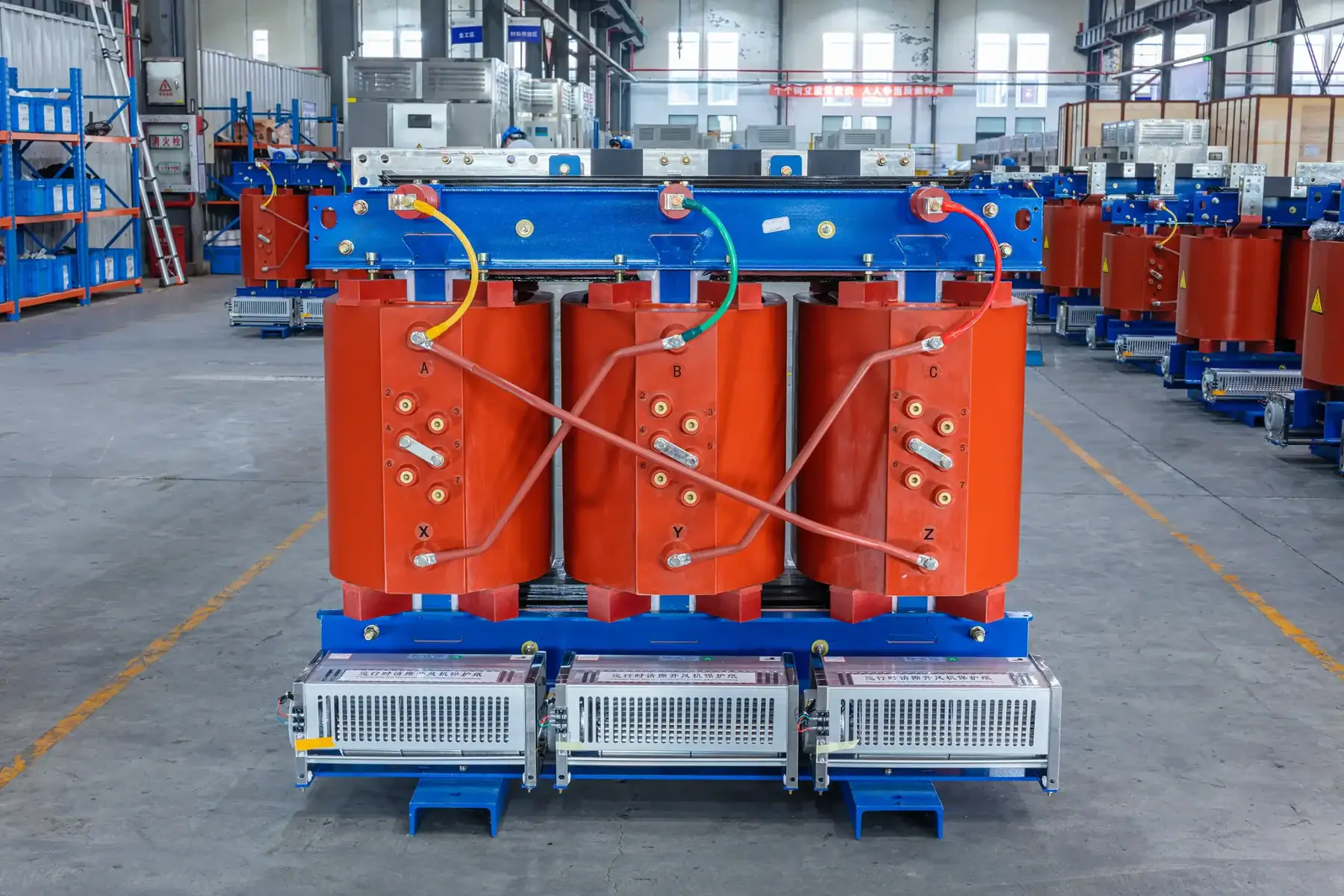
Los transformadores de tipo seco son componentes esenciales en la red de distribución eléctrica, ya que ofrecen seguridad y fiabilidad. Un aspecto fundamental de su funcionamiento es el sistema de aislamiento, que protege al transformador de las tensiones eléctricas, térmicas y mecánicas. En este artículo, exploraremos diversos materiales aislantes utilizados en transformadores de tipo seco, centrándonos en sus propiedades, aplicaciones y ventajas.

Soluciones de aislamiento para transformadores Están diseñados para garantizar que los transformadores funcionen de manera eficiente y segura en diversas condiciones. El sistema de aislamiento no solo proporciona resistencia eléctrica, sino que también ayuda a disipar el calor y ofrece soporte mecánico.
Tipos de materiales aislantes
Los transformadores de tipo seco suelen utilizar diversos tipos de materiales aislantes. Cada material posee propiedades únicas que lo hacen adecuado para aplicaciones específicas. A continuación, analizaremos algunas de las opciones más populares:
- Aislamiento de clase F
- Aislamiento de clase H
- Aislamiento Nomex
- Aislamiento de resina epoxi
- Materiales de aislamiento de fibra de vidrio
Analicemos cada uno de estos materiales y comprendamos su importancia en los transformadores de tipo seco.
Aislamiento de clase F
Los materiales aislantes de clase F se utilizan ampliamente en transformadores de tipo seco debido a sus excelentes propiedades térmicas y mecánicas. Pueden soportar temperaturas de hasta 155 °C, lo que los hace ideales para entornos con mayores exigencias térmicas.
Beneficios del aislamiento de clase F
- Estabilidad térmica: Resiste altas temperaturas, lo que garantiza una larga vida útil y fiabilidad.
- Resistencia mecánica: Proporciona un excelente soporte y resistencia a la tensión mecánica.
- Rentable: Ofrece un equilibrio entre rendimiento y coste, lo que la convierte en una opción popular para muchas aplicaciones.
Aislamiento de clase H
El aislamiento de clase H es otra opción común para transformadores de tipo seco, especialmente en aplicaciones que requieren mayor resistencia térmica. Estos materiales pueden soportar temperaturas de hasta 180 °C.
Ventajas del aislamiento de clase H
- Alta resistencia térmica: Adecuado para entornos de alta temperatura, lo que prolonga la vida útil del transformador.
- Propiedades eléctricas mejoradas: Proporciona un aislamiento eléctrico superior, reduciendo el riesgo de fallos eléctricos.
- Versatilidad: Puede utilizarse en una variedad de diseños y aplicaciones de transformadores.
Aislamiento Nomex
Nomex es un material sintético conocido por sus excepcionales propiedades térmicas, químicas y eléctricas. Se utiliza frecuentemente en transformadores de tipo seco por su capacidad para mantener el rendimiento en condiciones extremas.
¿Por qué elegir el aislamiento Nomex?
- Rendimiento térmico: Soporta temperaturas de hasta 220 °C sin degradarse.
- Resistencia química: Resistente a la mayoría de los productos químicos, lo que mejora su durabilidad.
- Integridad eléctrica: Ofrece un excelente aislamiento eléctrico, reducción de pérdidas de energía.
El aislamiento Nomex es especialmente apreciado en transformadores de alto rendimiento donde la fiabilidad y la durabilidad son fundamentales.
Aislamiento de resina epoxi
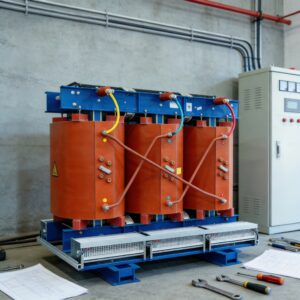
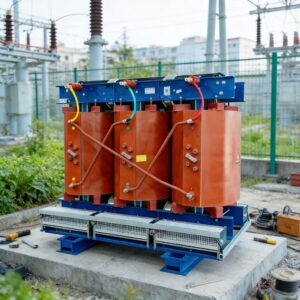
El aislamiento de resina epoxi es un tipo de aislamiento de resina fundida que se utiliza en transformadores de tipo seco. Se caracteriza por su robustez y su capacidad para soportar condiciones ambientales adversas.
Características del aislamiento de resina epoxi
- Robustez: Proporciona una excelente estabilidad mecánica y química.
- Resistencia a la humedad: Resiste la penetración de la humedad, lo que lo hace adecuado para ambientes húmedos.
- Bajo mantenimiento: Requiere un mantenimiento mínimo, lo que reduce los costos operativos.
La resina epoxi se utiliza con frecuencia en transformadores de resina fundida, donde se pueden aprovechar al máximo sus propiedades.
Materiales de aislamiento de fibra de vidrio
La fibra de vidrio es un material aislante versátil que se utiliza en numerosas aplicaciones eléctricas, incluidos los transformadores de tipo seco. Se valora por su flexibilidad y sus propiedades térmicas.
Beneficios del aislamiento de fibra de vidrio
- Flexibilidad: Se puede moldear en diversas formas, adaptándose a diferentes diseños de transformadores.
- Resistencia térmica: Soporta altas temperaturas, lo que garantiza un rendimiento estable.
- Rentabilidad: Ofrece una solución rentable sin comprometer la calidad.
El aislamiento de fibra de vidrio es especialmente útil en aplicaciones donde se requiere flexibilidad mecánica.

Cómo elegir el material aislante adecuado
La selección del material aislante adecuado para un transformador de tipo seco depende de varios factores, entre ellos:
- Requisitos térmicos: Tenga en cuenta la temperatura de funcionamiento y elija un material que pueda soportar esas condiciones.
- Condiciones ambientales: Evalúe el entorno donde se utilizará el transformador, como la humedad y la exposición a productos químicos.
- Esfuerzo mecánico: Evalúe las exigencias mecánicas y asegúrese de que el material proporcione el soporte adecuado.
- Consideraciones sobre costes: Equilibre las necesidades de rendimiento con las limitaciones presupuestarias para encontrar la solución más rentable.
Conclusión
En conclusión, los materiales aislantes desempeñan un papel fundamental en el rendimiento y la fiabilidad de los transformadores de tipo seco. Comprender las propiedades y aplicaciones de los diferentes materiales aislantes, como los de clase F, clase H, Nomex, resina epoxi y fibra de vidrio, le ayudará a tomar decisiones informadas al seleccionar la solución adecuada para sus necesidades.
Al considerar cuidadosamente factores como los requisitos térmicos, las condiciones ambientales y el costo, puede elegir un aislamiento. sistema que mejora la eficiencia, la seguridad y la longevidad de sus transformadores de tipo seco.
Ya sea usted ingeniero, fabricante o técnico, tener un conocimiento exhaustivo de las soluciones de aislamiento de transformadores le permitirá optimizar sus sistemas de distribución eléctrica y garantizar su correcto funcionamiento.

 English
 Français
 Español
 Deutsch