
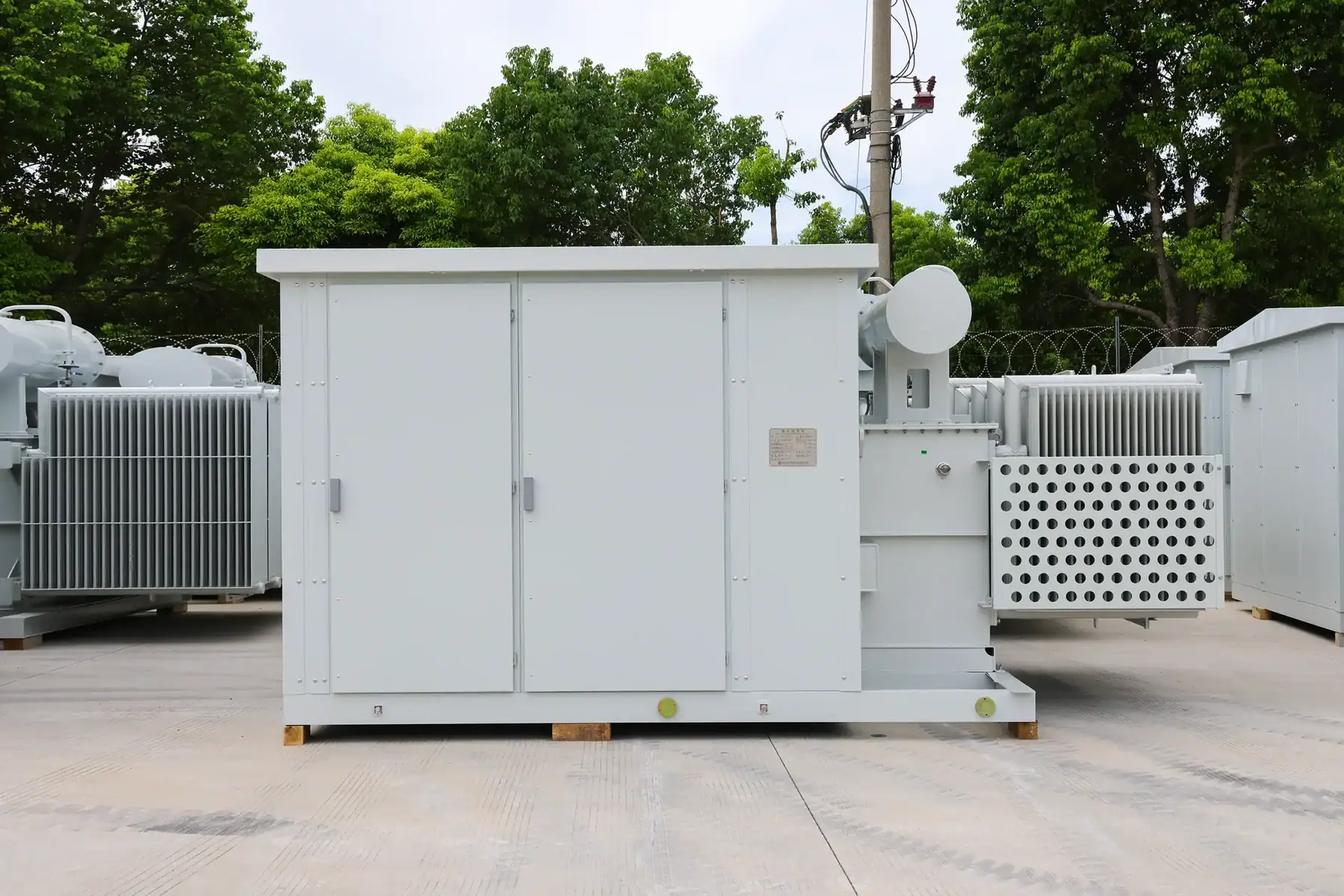
En una era donde la eficiencia es la clave del progreso industrial, el papel de los transformadores industriales es más crucial que nunca. Mientras las industrias de todo el mundo se esfuerzan por minimizar las pérdidas de energía y maximizar la producción, las últimas innovaciones en tecnología de transformadores se han convertido en un factor determinante. Estos avances no son solo teóricos; son soluciones prácticas que están transformando la manera en que las industrias gestionan la energía. Imagine un mundo donde el desperdicio de energía se reduce significativamente, los costos operativos disminuyen drásticamente y las prácticas ecológicas se integran a la perfección en el núcleo de las operaciones industriales. No es solo una visión del futuro; es una realidad hoy, gracias a los revolucionarios avances en la tecnología de transformadores industriales.
Profundiza más en estos innovaciones transformadoras, y descubrirás las fascinantes maneras en que abordan algunos de los desafíos más apremiantes de nuestro tiempo. Desde redes inteligentes que gestionan de forma inteligente distribución de energía a los transformadores Gracias a la adaptación a las diferentes demandas de carga, el panorama del consumo energético industrial se está redefiniendo ante nuestros ojos. Tanto si eres un profesional experimentado del sector como si simplemente sientes curiosidad por la tecnología de vanguardia, explorar estas innovaciones te ofrece valiosas perspectivas sobre cómo el sector está alcanzando nuevos niveles de eficiencia y sostenibilidad. A medida que desvelemos estos avances, prepárate para inspirarte con la incansable búsqueda de la eficiencia que impulsa el progreso del mundo industrial.

La tecnología de redes inteligentes está revolucionando la distribución de energía.
La tecnología de redes inteligentes representa un gran avance en la gestión, transmisión y distribución de la energía eléctrica en instalaciones industriales. Mediante el análisis de datos en tiempo real, los controles automatizados y la comunicación digital bidireccional, las redes inteligentes optimizan el flujo de electricidad para ajustarlo a la demanda, reducir las pérdidas y prevenir sobrecargas. En un sistema de transformadores industriales, esto se traduce en una coordinación perfecta entre las fuentes de generación, las unidades de almacenamiento y la maquinaria del usuario final, lo que resulta en una mejor calidad de la energía, mayor fiabilidad y menores costes operativos.
La funcionalidad de las redes inteligentes se basa en redes de sensores avanzadas y protocolos de comunicación que envían métricas de rendimiento continuas a los centros de control. Esta información permite a los operadores detectar anomalías, como caídas de tensión o distorsión armónica, prácticamente en tiempo real, lo que posibilita la implementación rápida de medidas correctivas. Además, la integración de fuentes de energía renovables, como la solar y la eólica, se simplifica, ya que las redes inteligentes pueden equilibrar la generación intermitente con el consumo y el almacenamiento. El resultado es una red eléctrica ágil y resiliente donde los transformadores industriales desempeñan un papel fundamental como intermediarios entre las líneas de transmisión de alta tensión y los circuitos de baja tensión de las fábricas, garantizando así el uso eficiente de cada kilovatio.
Además, la sinergia entre las redes inteligentes y los transformadores industriales fomenta las estrategias de mantenimiento predictivo. Al monitorizar los perfiles de carga, los gradientes de temperatura y el estado del aislamiento de los transformadores, las empresas de servicios públicos pueden prever posibles fallos y programar reparaciones antes de que se produzcan paradas catastróficas. En definitiva, la tecnología de redes inteligentes no solo aumenta la eficiencia general del sistema, sino que también prolonga la vida útil de los activos críticos, consolidando su posición como pilar fundamental de la distribución de energía industrial moderna.
Integración de IoT en sistemas de transformadores industriales
El Internet de las Cosas (IoT) ha introducido una nueva era de conectividad para instalaciones de transformadores industriales, Transformándolos de hardware pasivo en dispositivos inteligentes y comunicativos. Al integrar sensores, medidores inteligentes y módulos de computación perimetral directamente en las unidades transformadoras, los fabricantes y operadores obtienen una visibilidad detallada de los parámetros operativos: corriente de carga, temperatura del aceite, humedad, etc. Este enfoque basado en datos optimiza la toma de decisiones y permite una gestión dinámica de la carga para garantizar un rendimiento óptimo.
Los transformadores industriales con tecnología IoT pueden ajustar automáticamente la configuración de las tomas, regular los ventiladores de refrigeración y redirigir el flujo de energía según las condiciones instantáneas. Esta adaptabilidad minimiza las pérdidas internas, previene los puntos calientes y reduce la degradación térmica de los materiales aislantes. Además de las ventajas en el rendimiento, la plataforma IoT optimiza la gestión de activos al ofrecer paneles de control en la nube que centralizan la información en instalaciones de transformadores geográficamente dispersas. Los equipos de mantenimiento pueden recibir alertas en tiempo real sobre anomalías, programar inspecciones in situ y solicitar piezas de repuesto de forma proactiva, lo que reduce tanto las interrupciones no planificadas como las costosas revisiones manuales.
Además, la convergencia de los sistemas IoT y de transformadores abre el camino a aplicaciones avanzadas de análisis y aprendizaje automático. Los datos históricos de los sensores entrenan algoritmos para detectar patrones de degradación, predecir la vida útil restante y optimizar los intervalos de mantenimiento preventivo. Con esta información, las empresas pueden pasar de modelos de mantenimiento reactivo a estrategias basadas en el estado, lo que en última instancia reduce los costos del ciclo de vida y aumenta la confiabilidad general. A medida que los ecosistemas IoT sigan madurando, su integración con los transformadores industriales seguirá siendo un factor clave para la excelencia operativa en el sector energético.
Materiales sostenibles en el diseño de transformadores de próxima generación
El impulso hacia la sostenibilidad ha catalizado el desarrollo de materiales y procesos de fabricación ecológicos en la producción de transformadores industriales. Los diseños tradicionales dependen en gran medida de aceites aislantes derivados del petróleo y núcleos de acero, lo que plantea desafíos ambientales y para la cadena de suministro. Los transformadores de nueva generación incorporan fluidos dieléctricos biodegradables, laminaciones de acero al silicio reciclado y materiales compuestos avanzados para reducir la huella de carbono y mejorar la reciclabilidad.
Los aceites biodegradables para transformadores, derivados de ésteres naturales, ofrecen propiedades de transferencia de calor superiores y mayor resistencia al fuego en comparación con los aceites minerales. Al combinarse con papeles aislantes nanorellenos y compuestos epoxi, el rendimiento térmico mejora, lo que permite diseños de transformadores compactos sin sacrificar la seguridad ni la eficiencia. Además, el uso de aleaciones de acero eléctrico no orientado con mayor permeabilidad magnética reduce las pérdidas en el núcleo, lo que se traduce en un menor desperdicio de energía durante los ciclos de magnetización. Estas innovaciones en materiales cumplen con las normativas globales para la reducción de emisiones de gases de efecto invernadero y respaldan los objetivos de sostenibilidad corporativa.
Los fabricantes también están explorando la fabricación aditiva y los componentes impresos en 3D para minimizar el desperdicio de material y acelerar la creación de prototipos. Las formas de núcleo y las geometrías de bobina personalizables producidas mediante técnicas de fabricación avanzadas dan como resultado trayectorias de flujo magnético más eficientes y una menor formación de corrientes parásitas. Al integrar dichos materiales y procesos sostenibles en diseños de transformadores industriales, La industria no solo reduce el impacto ambiental, sino que también mejora la vida útil y la fiabilidad de los transformadores. El resultado es una nueva generación de equipos de distribución de energía que cumplen con estrictas normas ecológicas y ofrecen un rendimiento de primer nivel.
Tecnología de gemelos digitales para el mantenimiento predictivo
La tecnología de gemelos digitales consiste en crear una réplica virtual de un activo físico, como un transformador industrial, y actualizarla continuamente con datos de sensores en tiempo real. Este modelo dinámico refleja el comportamiento del transformador bajo diferentes cargas, condiciones ambientales y factores de envejecimiento. Al simular escenarios hipotéticos, los operadores pueden explorar posibles modos de fallo y planificar las actividades de mantenimiento con una precisión sin precedentes.
Mediante el gemelo digital, los algoritmos de análisis predictivo identifican desviaciones sutiles en parámetros como la vibración del bobinado, la rigidez dieléctrica del aceite o los gradientes de temperatura del núcleo, mucho antes de que se conviertan en fallos graves. Los equipos de mantenimiento reciben información útil, como recomendaciones para la filtración del aceite o el ajuste de la bobina, lo que les permite intervenir de forma proactiva. Este enfoque centrado en los datos reduce el tiempo de inactividad innecesario, limita las costosas reparaciones de emergencia y prolonga la vida útil de los transformadores.
Además, los gemelos digitales facilitan la planificación estratégica a largo plazo al agregar datos de rendimiento de múltiples transformadores y emplazamientos. Los ingenieros pueden comparar diseños, optimizar el inventario de repuestos y perfeccionar los protocolos operativos basándose en evidencia empírica. Como resultado, las empresas de servicios públicos y los operadores industriales logran una mayor disponibilidad de activos, un menor coste total de propiedad y un marco sólido para la mejora continua. La tecnología de gemelos digitales está redefiniendo la forma en que mantenemos, operamos y desarrollamos flotas de transformadores industriales en la era digital.
Conclusión: El futuro de la tecnología de transformadores industriales
De cara al futuro, la fusión de redes inteligentes, conectividad IoT, materiales sostenibles y modelado de gemelos digitales marca un cambio transformador en la tecnología de transformadores industriales. Estas innovaciones, en conjunto, mejoran la eficiencia, la fiabilidad y la responsabilidad ambiental en las redes de distribución eléctrica.
Al adoptar estos avances, las industrias pueden optimizar el consumo de energía, reducir los costos de mantenimiento y contribuir a los objetivos de sostenibilidad global. El camino hacia sistemas de transformadores más inteligentes, ecológicos y resilientes está en marcha, marcando el comienzo de una nueva era en la gestión energética industrial.

 English
 Français
 Español
 Deutsch