

Imagínese vivir en una ciudad donde los cortes de luz son cosa del pasado y las industrias operan sin interrupciones, optimizando la productividad las 24 horas. Esto no es un sueño lejano, sino una realidad tangible con las soluciones energéticas adecuadas. La experiencia e innovación de los fabricantes líderes en el sector allanan el camino para estas experiencias transformadoras. Al aprovechar las capacidades de los transformadores sumergidos en aceite, podemos mejorar significativamente la fiabilidad del suministro eléctrico y la eficiencia de la distribución. Profundice en este blog para descubrir cómo estas potentes soluciones contribuyen a dar forma al panorama energético del futuro y por qué elegir al fabricante adecuado es fundamental para un crecimiento sostenible y una mayor resiliencia.
Comprensión de los transformadores sumergidos en aceite
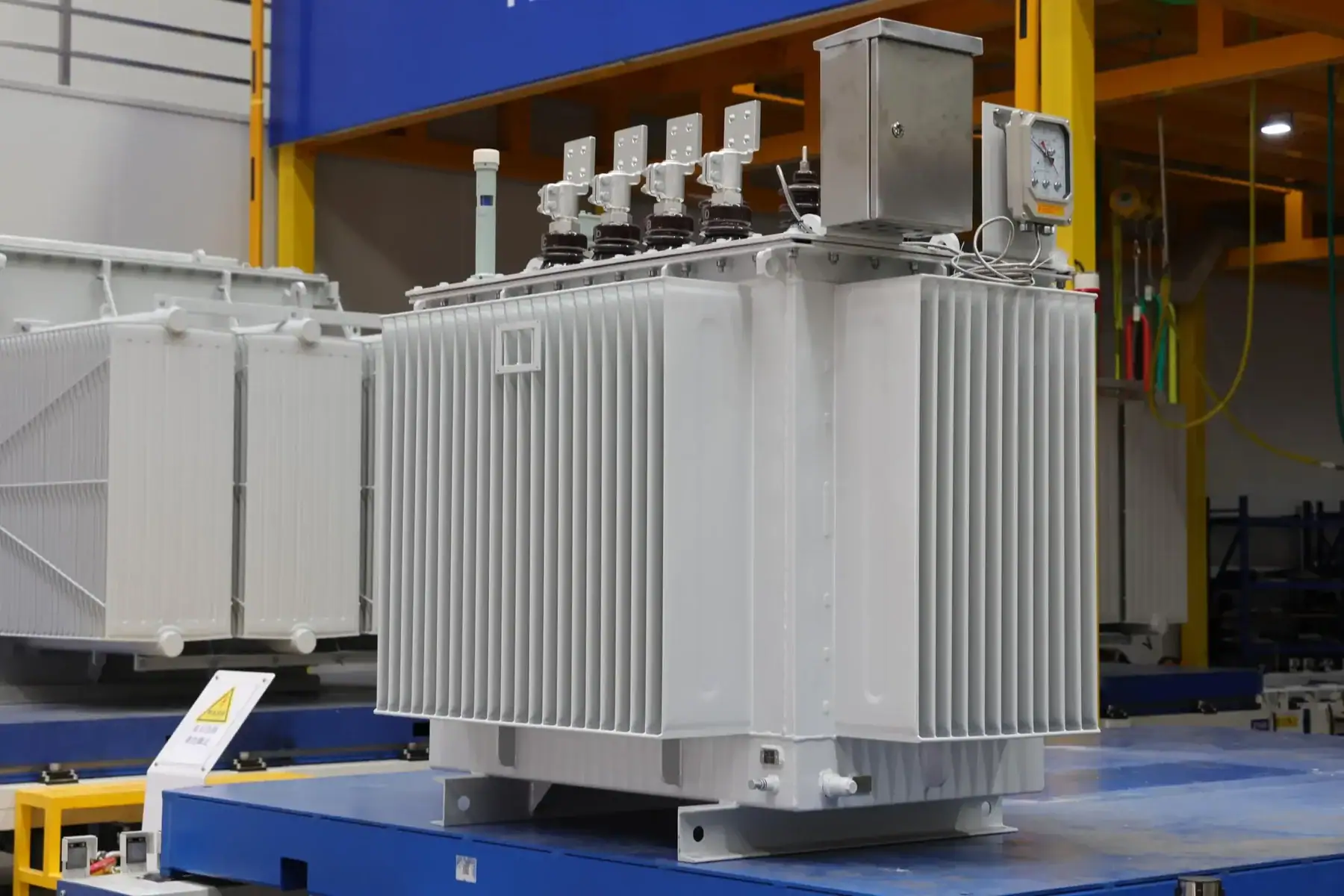
Los transformadores sumergidos en aceite son dispositivos eléctricos diseñados para transferir energía eléctrica entre dos o más circuitos mediante inducción electromagnética. La característica principal de estos transformadores es el uso de aceite aislante mineral o sintético para enfriar los devanados internos y proporcionar una alta rigidez dieléctrica. En esencia, el núcleo y las bobinas del transformador están sumergidos en aceite contenido en un tanque de acero sellado. Este aceite absorbe el calor generado durante el funcionamiento y lo disipa a través de radiadores o aletas de refrigeración fijadas al exterior del tanque, manteniendo así una temperatura óptima. temperaturas de funcionamiento óptimas y evitando el sobrecalentamiento.
El aceite aislante de estos transformadores cumple múltiples funciones: ofrece un excelente aislamiento eléctrico, ayuda a suprimir la descarga corona y actúa como barrera contra la humedad y los contaminantes. La combinación del aislamiento de aceite y la robusta construcción del tanque permite que los transformadores sumergidos en aceite soporten mayores capacidades de carga y niveles de voltaje que muchos transformadores secos. Su capacidad para gestionar eficazmente el estrés térmico los hace indispensables en subestaciones de alta tensión, plantas industriales, parques de energía renovable y grandes instalaciones comerciales.
Desde las redes de distribución urbanas hasta las centrales eléctricas remotas, estos transformadores se han convertido en un pilar fundamental de la infraestructura energética moderna. Factores como la fluctuación de la carga, las condiciones ambientales y la tensión del sistema determinan el diseño específico y el tipo de aceite utilizado para cada aplicación. Al evaluar a un fabricante de transformadores sumergidos en aceite, los ingenieros y los equipos de compras analizan detenidamente las características térmicas, las propiedades dieléctricas, la calidad de fabricación del tanque y el cumplimiento de normas internacionales como la IEC 60076. Comprender cómo interactúan estos componentes proporciona una base sólida para seleccionar un transformador que satisfaga las demandas energéticas presentes y futuras.
Características principales de los transformadores sumergidos en aceite de alta gama
Los transformadores sumergidos en aceite líderes en el mercado se distinguen por una serie de características esenciales diseñadas para garantizar un rendimiento, fiabilidad y seguridad superiores. El aceite aislante de alta calidad, con una rigidez dieléctrica excepcional, es fundamental; no solo proporciona aislamiento, sino que también mejora la eficiencia de la transferencia de calor. Las bobinas de cobre o aluminio, enrolladas con precisión y fabricadas con tolerancias rigurosas, reducen las pérdidas de bobinado y favorecen una distribución térmica uniforme. Un tanque robusto, fabricado en acero con bajo contenido de carbono o acero inoxidable, está diseñado para soportar presiones internas, tensiones ambientales y posibles fallas.
Los sistemas de refrigeración avanzados —ya sean radiadores, circulación forzada de aceite o ventiladores sumergidos en aceite— optimizan la disipación del calor bajo diferentes condiciones de carga, lo que permite que los transformadores operen cerca de sus valores nominales sin riesgo de degradación térmica. Los aisladores pasantes y los cambiadores de tomas están fabricados con materiales resistentes a la corrosión y a las descargas parciales, lo que prolonga su vida útil y minimiza las necesidades de mantenimiento. Muchos modelos de gama alta también incorporan sensores integrados para la medición de la temperatura, el análisis de gases en el aceite y la monitorización de la humedad, lo que permite realizar diagnósticos en tiempo real y desarrollar estrategias de mantenimiento predictivo.
Medidas de seguridad adicionales, como dispositivos de alivio de presión, relés Buchholz y tanques de conservación, previenen fallas catastróficas al liberar la presión excesiva o activar alarmas cuando los niveles de gas disuelto indican arcos eléctricos o sobrecalentamiento. El cumplimiento ambiental, en particular con las regulaciones sobre aceites libres de PCB y gabinetes de bajo nivel de ruido, subraya aún más el compromiso del fabricante con operaciones sostenibles y respetuosas con la comunidad. Cuando todas estas características se combinan, los usuarios finales se benefician de una reducción en el costo total de propiedad, una mayor disponibilidad operativa y la tranquilidad de saber que su infraestructura eléctrica está diseñada para durar.
Cualidades principales que debe buscar en un fabricante
Seleccionar al fabricante adecuado de transformadores sumergidos en aceite es una decisión estratégica que afecta tanto a los resultados inmediatos del proyecto como a los costos operativos a largo plazo. Ante todo, busque una empresa con una trayectoria comprobada de excelencia en ingeniería y certificaciones internacionales como ISO 9001 para la gestión de la calidad e ISO 14001 para la gestión ambiental. El cumplimiento de las normas específicas del sector (IEC, ANSI, IEEE) demuestra que los procesos y productos del fabricante cumplen con rigurosos estándares globales.
Las sólidas capacidades de I+D son otro sello distintivo de un fabricante de primer nivel. Las empresas que invierten en innovación continua pueden ofrecer transformadores con menores pérdidas, mayores clasificaciones térmicas y soluciones de monitoreo más inteligentes. Un departamento de I+D sólido también adapta los diseños a aplicaciones de nicho, ya sea para centros de datos que requieren niveles de ruido ultrabajos o parques de energía renovable que necesitan clases de voltaje personalizadas. Además, los fabricantes que proporcionan amplias instalaciones de prueba (pruebas de tipo, pruebas de rutina, pruebas de aumento de temperatura, Las pruebas de impulso de rayo (como las realizadas) infunden confianza en que cada unidad funciona de manera fiable incluso en los peores escenarios.
Además, una red integral de soporte y servicio posventa es fundamental para minimizar el tiempo de inactividad. Un equipo técnico eficiente, un inventario de repuestos disponible y técnicos de servicio de campo capacitados garantizan la rápida resolución de problemas durante todo el ciclo de vida del transformador. La transparencia en los términos de la garantía, la documentación clara de los datos de pérdida de carga y pérdida en vacío, y la disposición a colaborar en adaptaciones específicas para cada sitio distinguen aún más a los líderes del sector.
Por último, evalúe la resiliencia de la cadena de suministro de un fabricante y su compromiso con las prácticas sostenibles. El abastecimiento ético de materias primas, el cumplimiento de las regulaciones ambientales y los esfuerzos para reducir la huella de carbono subrayan la visión más amplia de una empresa para soluciones energéticas responsables. Elegir un fabricante con estas cualidades superiores no solo Garantiza transformadores de alto rendimiento. pero también alinea a su organización con socios dedicados a la innovación y la protección del medio ambiente.
Mantenimiento y vida útil de los transformadores sumergidos en aceite

Garantizar la longevidad y fiabilidad de los transformadores sumergidos en aceite depende de un mantenimiento proactivo y una monitorización rigurosa de su estado. El muestreo regular de aceite y las pruebas dieléctricas detectan la entrada de humedad, los gases disueltos y la contaminación por partículas antes de que comprometan el rendimiento. Las inspecciones visuales de los bujes, las juntas y los radiadores ayudan a identificar fugas, corrosión o daños mecánicos. La termografía infrarroja permite localizar puntos calientes en los devanados y las conexiones, facilitando así la aplicación de medidas correctivas específicas.
Las revisiones operativas periódicas, como el mantenimiento del cambiador de tomas, las pruebas de los dispositivos de alivio de presión y las inspecciones del conservador, preservan la integridad del transformador durante décadas de servicio. Muchas organizaciones adoptan programas de mantenimiento predictivo, utilizando datos de sensores de temperatura y gases integrados para programar intervenciones solo cuando las tendencias superan los umbrales establecidos. Este enfoque minimiza el tiempo de inactividad innecesario y prolonga la vida útil, al tiempo que controla los costos de mantenimiento.
La limpieza rutinaria de las superficies de refrigeración y la correcta ventilación alrededor del transformador evitan la acumulación de calor que acelera su envejecimiento. Cuando la calidad del aceite se degrada por debajo de los límites aceptables, los sistemas de filtración o recuperación de aceite in situ pueden restaurar las propiedades dieléctricas sin necesidad de un reemplazo completo del aceite. Además, contactar con el fabricante original del transformador sumergido en aceite para obtener repuestos originales y asesoramiento experto garantiza la compatibilidad y mantiene la cobertura de la garantía.
Al combinar procedimientos de mantenimiento sistemáticos con herramientas de diagnóstico avanzadas y una estrecha colaboración con los equipos de soporte del fabricante, los operadores pueden lograr una vida útil de 25 a 40 años o más. Esta longevidad no solo maximiza el retorno de la inversión, sino que también garantiza un suministro eléctrico estable en infraestructuras críticas, instalaciones industriales y redes de servicios públicos.
PREGUNTAS FRECUENTES
1. ¿Qué es un transformador sumergido en aceite?
Un transformador sumergido en aceite es un transformador que utiliza aceite aislante para la refrigeración y el aislamiento eléctrico, lo que ayuda a mejorar la disipación del calor y la eficiencia operativa en los sistemas de distribución de energía.
2. ¿Qué productos suele ofrecer un fabricante de transformadores sumergidos en aceite?
Los fabricantes suelen proporcionar:
- Transformadores de distribución
- Transformadores de potencia
- Transformadores montados en postes
- Subestaciones compactas
- Soluciones personalizadas de voltaje y capacidad
3. ¿Cuáles son las ventajas de los transformadores sumergidos en aceite?
- Excelente rendimiento de refrigeración
- Alta capacidad de sobrecarga
- Larga vida útil
- Funcionamiento estable bajo cargas pesadas
- Adecuado para aplicaciones industriales y en exteriores.
4. ¿Qué industrias utilizan transformadores sumergidos en aceite?
Se utilizan ampliamente en:
- Generación de energía y servicios públicos
- Plantas industriales
- Proyectos de energía renovable
- Operaciones mineras
- Infraestructura e instalaciones comerciales
5. ¿Qué normas deben cumplir los fabricantes de transformadores?
Los fabricantes fiables suelen cumplir con estándares internacionales como:
- IEC
- ANSI/IEEE
- Sistemas de gestión de calidad ISO
- Certificaciones de eficiencia energética y seguridad
6. ¿Qué factores deben tenerse en cuenta al elegir un fabricante de transformadores?
Entre los aspectos importantes a tener en cuenta se incluyen la capacidad de producción, la experiencia técnica, la capacidad de personalización, el control de calidad, las certificaciones, las instalaciones de prueba y el servicio de asistencia posventa.
Conclusión: Asegurando un futuro energético sostenible
Los transformadores sumergidos en aceite siguen siendo un pilar fundamental de la distribución eléctrica moderna, ofreciendo una eficiencia, durabilidad y adaptabilidad inigualables. Al asociarse con un fabricante de renombre, las organizaciones pueden aprovechar diseños de vanguardia y un soporte integral para satisfacer las crecientes demandas energéticas.
Gracias a un mantenimiento riguroso y a las últimas tecnologías de monitorización, estos transformadores pueden ofrecer un servicio fiable durante décadas, reduciendo el coste total de propiedad y el impacto ambiental. Invertir hoy en transformadores sumergidos en aceite de alta calidad sienta las bases para un ecosistema energético resiliente y sostenible en el futuro.

 English
 Français
 Español
 Deutsch