
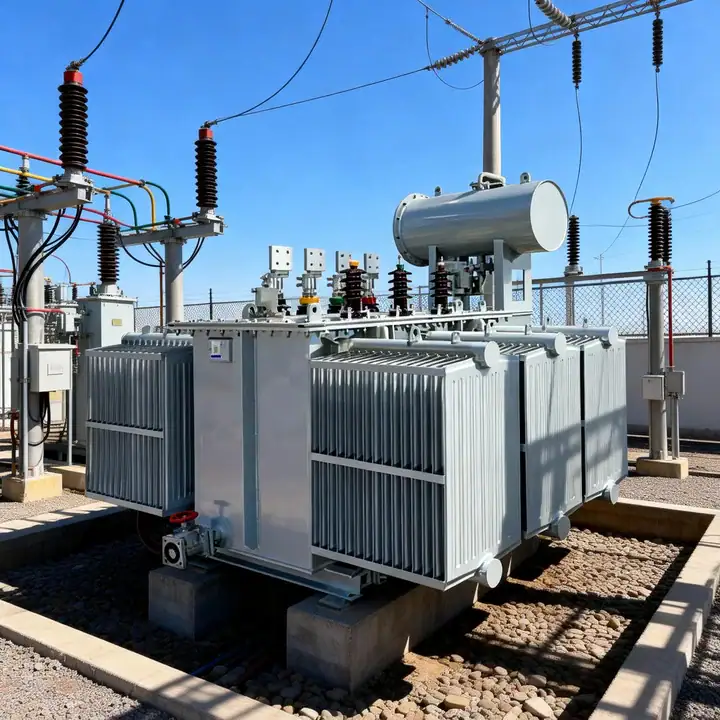
Imagínese una bulliciosa ciudad nocturna, con cada rascacielos y farola resplandeciente, o una comunidad rural donde cada hogar es acogedor e iluminado, incluso en el frío más intenso del invierno. Detrás de estos milagros cotidianos de la vida moderna se esconde un héroe silencioso: el transformador sumergido en aceite. A menudo eclipsado por avances tecnológicos más llamativos, este modesto componente es una pieza fundamental que sustenta la columna vertebral de los sistemas eléctricos eficientes en todo el mundo.
En el mundo actual que avanza rápidamente, la demanda de sistemas confiables y La distribución eficiente de energía está experimentando un crecimiento vertiginoso.. El transformador sumergido en aceite desempeña un papel crucial para satisfacer esta demanda, ya que garantiza que la energía no solo esté disponible de forma constante, sino que también se suministre de forma segura y eficiente. A diferencia de sus homólogos de tipo seco, este transformador utiliza un aceite aislante especial para enfriar y aislar el sistema, lo que mejora significativamente su eficiencia y vida útil. En esta entrada del blog, exploraremos por qué estos transformadores son... indispensable en la infraestructura energética moderna, cómo funcionan y qué los hace superiores en muchos aspectos de la gestión de energía.

Importancia de la fiabilidad de la distribución eléctrica
En las sociedades modernas, el suministro eléctrico ininterrumpido se ha convertido en un pilar fundamental para el crecimiento económico, la seguridad pública y la calidad de vida en general. Cualquier interrupción en la continuidad del suministro energético puede ocasionar pérdidas financieras significativas, así como interrupciones en los servicios sanitarios, las redes de transporte y los sistemas de comunicación. Las redes de distribución eléctrica fiables garantizan que servicios esenciales como hospitales, centros de datos y equipos de respuesta a emergencias puedan operar sin interrupciones, salvaguardando el bienestar humano y la estabilidad económica. Al mantener niveles de voltaje constantes y minimizar las fluctuaciones, las empresas de servicios públicos pueden suministrar energía de manera eficiente a consumidores residenciales, comerciales e industriales.
cortes de energía, Las caídas de tensión, ya sean momentáneas o prolongadas, pueden tener consecuencias en cadena. Incluso breves descensos de tensión pueden dañar equipos electrónicos sensibles, mientras que los apagones prolongados pueden paralizar las líneas de producción, deteriorar productos perecederos y comprometer la seguridad. Para mitigar estos riesgos, los proveedores de energía integran sistemas de monitorización robustos, generación de respaldo y componentes de infraestructura de alta calidad. El transformador sumergido en aceite suele desempeñar un papel fundamental en estos sistemas, ya que sus excelentes capacidades de refrigeración y aislamiento ayudan a mantener un funcionamiento estable bajo condiciones de carga elevada, reduciendo la probabilidad de paradas no planificadas y mejorando la resiliencia general de la red.
Los indicadores clave de rendimiento, como el SAIDI (Índice de Duración Media de Interrupciones del Sistema) y el SAIFI (Índice de Frecuencia Media de Interrupciones del Sistema), se utilizan para cuantificar la fiabilidad de la distribución eléctrica. Las empresas de servicios públicos se esfuerzan por reducir estos índices mediante programas de mantenimiento preventivo, soluciones de detección de fallos en tiempo real y mejoras estratégicas de la red. Al invertir en equipos avanzados, como transformadores con probada durabilidad y estabilidad, los proveedores de energía pueden garantizar un flujo eléctrico más fiable. En definitiva, una mayor fiabilidad no solo aumenta la satisfacción del cliente, sino que también impulsa el desarrollo económico y fomenta la confianza en la infraestructura eléctrica.
Función de los transformadores sumergidos en aceite en los sistemas de potencia
Uno de los pilares de la infraestructura de red moderna es el transformador sumergido en aceite, un dispositivo diseñado para gestionar eficientemente los niveles de voltaje y soportar cargas de potencia considerables. Mediante el uso de un aceite aislante especializado alrededor de sus bobinados y núcleo, este transformador mantiene temperaturas de funcionamiento óptimas incluso en condiciones de máxima demanda. Las propiedades de refrigeración mejoradas del aceite permiten que estos transformadores soporten ciclos de carga intensos sin riesgo de degradación térmica, lo que prolonga su vida útil y reduce los costos de mantenimiento. Además, el aceite actúa como barrera dieléctrica, evitando descargas eléctricas y garantizando un aislamiento seguro entre conductores. Su capacidad para soportar sobretensiones repentinas también protege los equipos conectados, asegurando un suministro de energía ininterrumpido en toda la red.
Los transformadores sumergidos en aceite son fundamentales en diversas etapas de los sistemas eléctricos, desde las centrales generadoras hasta las subestaciones de distribución e instalaciones industriales. En las centrales generadoras, elevan la tensión de salida de baja tensión a niveles de transmisión, lo que permite el transporte de energía a larga distancia con pérdidas mínimas. Más adelante, unidades adicionales reducen la tensión a niveles adecuados para el consumidor, garantizando un suministro seguro y eficiente al usuario final. La robusta rigidez dieléctrica del medio aislante, junto con el diseño del núcleo del transformador, proporciona un aislamiento eléctrico fiable entre los devanados primario y secundario, crucial para mantener la seguridad y el rendimiento del sistema.
Desde subestaciones urbanas hasta microrredes rurales, el transformador sumergido en aceite destaca por su adaptabilidad y resistencia. Su diseño admite una amplia gama de tensiones y capacidades, lo que lo hace idóneo para diversas aplicaciones, desde la distribución local a pequeña escala hasta grandes plantas industriales. Además, las unidades modernas incorporan características como cambiadores de tomas bajo carga y relés Buchholz, que ofrecen ajustes en tiempo real y detección de fallos. Estas características, en conjunto, ayudan a las empresas eléctricas a minimizar el tiempo de inactividad, optimizar la eficiencia operativa y satisfacer la creciente demanda de electricidad estable y de alta calidad.
Funcionamiento del aceite aislante en transformadores sumergidos en aceite
El aceite aislante en los transformadores sumergidos en aceite cumple una doble función: disipación de calor y aislamiento eléctrico. Cuando la corriente fluye a través de los devanados del transformador, se genera calor inevitablemente debido a las pérdidas por efecto Joule (pérdidas I²R) y la histéresis en el núcleo. El aceite absorbe esta energía térmica y la transfiere lejos del núcleo y los devanados, circulando por el tanque o dentro de los radiadores para liberar el calor a la atmósfera. En unidades de alta capacidad, los sistemas de regulación de temperatura pueden incluir bombas y enfriadores que mantienen un equilibrio térmico óptimo, evitando puntos calientes y preservando la integridad estructural de los componentes internos.
Además de sus propiedades refrigerantes, el aceite para transformadores debe presentar una alta rigidez dieléctrica para evitar descargas eléctricas entre las partes conductoras. Los fabricantes formulan cuidadosamente el fluido para minimizar el contenido de humedad e impurezas, ya que estos contaminantes pueden reducir significativamente el rendimiento aislante y provocar fallas prematuras. Las pruebas rutinarias del aceite, como la tensión de ruptura dieléctrica, la tensión interfacial y el análisis de gases disueltos, ayudan a los operadores a detectar los primeros signos de degradación, lo que permite procesar o reemplazar el aceite a tiempo. Estas medidas proactivas prolongan los intervalos de servicio del transformador y mejoran su fiabilidad general.
Con el tiempo, los procesos naturales de envejecimiento pueden causar oxidación del aceite y la formación de lodos, lo que dificulta la transferencia de calor y disminuye las propiedades dieléctricas. Para contrarrestar esto, se introducen aditivos como antioxidantes y depresores del punto de fluidez, que mejoran la estabilidad del aceite bajo diversos ciclos de temperatura. Las alternativas de aceite biodegradables y ecológicas también están ganando terreno, reduciendo los riesgos ambientales en caso de fugas. Los regímenes de mantenimiento integrales que incluyen filtración regular, desgasificación y control de la humedad aseguran que el aceite aislante se mantenga en óptimas condiciones, protegiendo Rendimiento y vida útil del transformador.
Medidas de seguridad en transformadores sumergidos en aceite
Garantizar el funcionamiento seguro de un transformador sumergido en aceite comienza con un diseño mecánico robusto y dispositivos de protección. Los tanques del transformador están construidos con acero de alta resistencia y soldaduras robustas para soportar presiones internas y condiciones ambientales adversas. Los dispositivos de alivio de presión y los paneles de ruptura protegen contra fallas catastróficas al liberar el exceso de gas en caso de fallas internas graves. El relé Buchholz, un relé de protección accionado por gas e instalado en la tubería entre el tanque principal del transformador y el conservador de aceite, detecta la presencia de gases combustibles o aumentos repentinos de presión de aceite, activando alarmas o aislando la unidad automáticamente para evitar que la situación empeore.
Dada la naturaleza inflamable del aceite dieléctrico, las estrategias de mitigación de incendios son fundamentales. Los transformadores suelen instalarse sobre cimientos no combustibles con muros cortafuegos o zanjas diseñadas para canalizar cualquier posible fuga de aceite hacia áreas de contención designadas. Los sistemas de contención de derrames, como los diques o las fosas de retención, capturan el aceite derramado, evitando la contaminación ambiental. Además, los recubrimientos resistentes al fuego y los aerosoles intumescentes ayudan a reducir la propagación del fuego, mientras que las cámaras termográficas permiten la detección temprana de componentes sobrecalentados, lo que permite a los equipos de mantenimiento intervenir antes de que se produzca una situación peligrosa.
Las medidas de seguridad modernas dependen cada vez más del monitoreo continuo de las condiciones para prever posibles problemas. Los sensores que registran parámetros como la temperatura, la presión y los niveles de humedad del aceite, así como las concentraciones de gases disueltos, envían datos a sistemas SCADA centralizados, lo que permite diagnósticos en tiempo real y análisis de tendencias. Las plataformas de mantenimiento predictivo utilizan algoritmos analíticos para pronosticar los modos de falla, asegurando que las intervenciones programadas se realicen antes de que surjan las fallas. El cumplimiento de las normas internacionales (IEC, ANSI, IEEE) y las regulaciones locales garantiza además que las instalaciones de transformadores sumergidos en aceite cumplan con estrictas directrices de seguridad y medioambientales, protegiendo tanto al personal como a los bienes.
Conclusión: El futuro de los transformadores sumergidos en aceite en los sistemas de potencia.
Ante el continuo aumento de la demanda energética a nivel mundial, los transformadores sumergidos en aceite seguirán siendo fundamentales para garantizar un suministro eléctrico fiable y eficiente. Su probada capacidad para proporcionar una refrigeración superior, regulación de voltaje y protección contra fallas es la base de la estabilidad de las redes eléctricas en todo el mundo.
De cara al futuro, innovaciones como los fluidos aislantes biodegradables, los sensores inteligentes y las tecnologías de gemelos digitales prometen mejorar el rendimiento, la seguridad y el cumplimiento ambiental de los transformadores. Al adoptar estos avances, las empresas de servicios públicos pueden optimizar sus operaciones, reducir los costos del ciclo de vida y allanar el camino hacia un futuro energético resiliente y sostenible.

 English
 Français
 Español
 Deutsch