
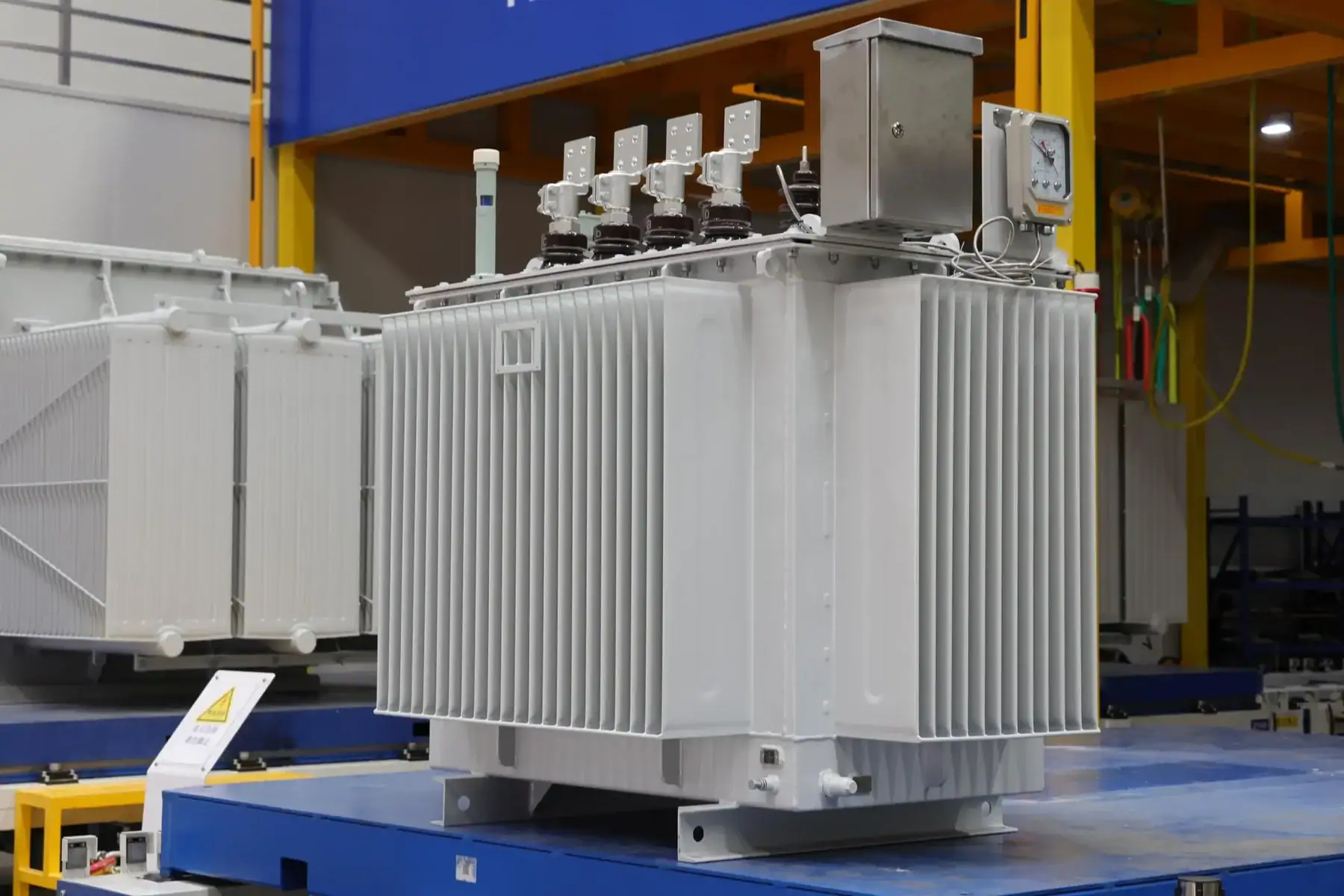
En una era donde la electrificación es fundamental para nuestra vida diaria, desde el suministro eléctrico a hogares hasta el funcionamiento de enormes complejos industriales, la tecnología que impulsa nuestros sistemas de energía a menudo pasa desapercibida. Detengámonos un momento a pensar en los gigantes silenciosos que vigilan diligentemente las subestaciones, asegurando discretamente un flujo continuo de energía a través de nuestras redes: el transformador sumergido en aceite. Este héroe anónimo de la electrificación moderna tiene el poder de revolucionar nuestra percepción y utilización de la energía eléctrica. Con su capacidad única para gestionar y distribuir la electricidad de manera eficiente, el transformador sumergido en aceite es más que un simple componente; es un elemento revolucionario en el campo de la ingeniería eléctrica.
La historia del transformador sumergido en aceite no es solo un relato de avance tecnológico, sino también una historia de cómo abordar las demandas energéticas globales con fiabilidad y precisión. Los recientes avances en este campo han propiciado mejoras significativas en eficiencia y durabilidad, convirtiéndolos en indispensables en el panorama energético actual. Imaginemos un mundo donde los cortes de energía sean una rareza y el coste de la generación de electricidad disminuya considerablemente, allanando el camino a la innovación y el crecimiento económico. Esta es la promesa que encierra la continua evolución del transformador sumergido en aceite, un elemento clave en la búsqueda constante de soluciones energéticas sostenibles y resilientes.
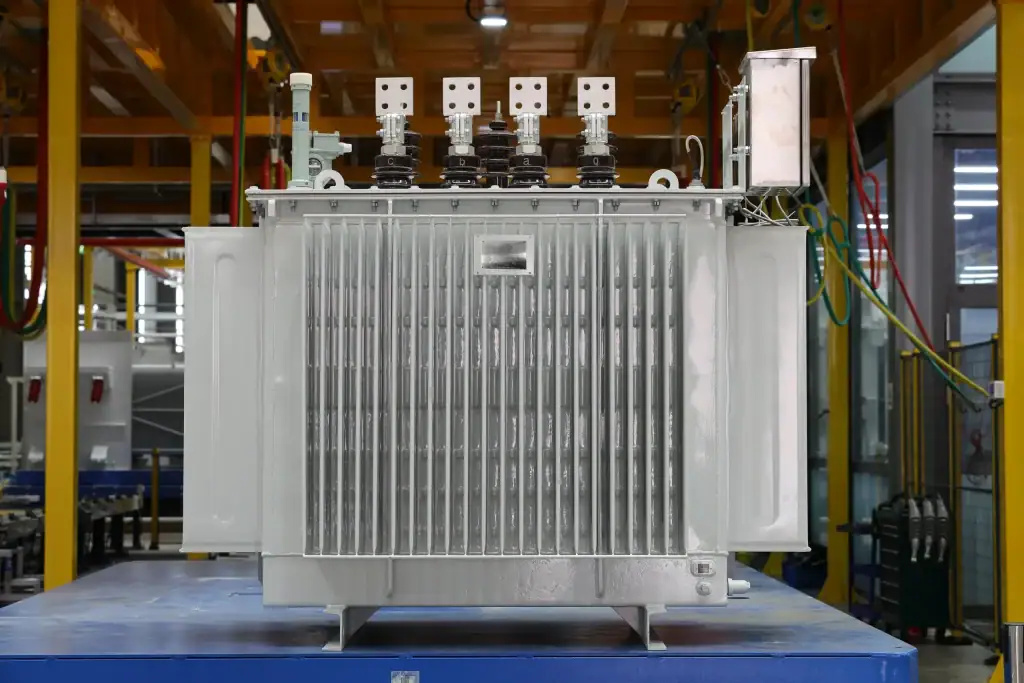
La evolución de los transformadores sumergidos en aceite: desde los primeros diseños hasta las innovaciones modernas.
La historia del transformador sumergido en aceite se remonta a finales del siglo XIX y principios del XX, cuando la rápida expansión de las redes eléctricas exigía equipos de conversión de voltaje fiables. Los primeros prototipos utilizaban aceite mineral principalmente como aislante, pero los ingenieros pronto reconocieron su valor adicional como refrigerante. Estos dispositivos de primera generación eran voluminosos y propensos al estrés térmico, pero sentaron las bases para un siglo de innovación. A mediados del siglo XX, las mejoras en el diseño del tanque, las técnicas de bobinado y los procesos de purificación del aceite aumentaron drásticamente tanto la capacidad como la vida útil.
En las últimas décadas, el transformador sumergido en aceite ha experimentado avances significativos en la ciencia de los materiales y la monitorización digital. Los transformadores modernos emplean aceites aislantes de alta pureza y baja viscosidad, o fluidos ecológicos a base de ésteres, que ofrecen una rigidez dieléctrica superior y propiedades biodegradables. Las técnicas de fabricación avanzadas, como la deshidratación y desgasificación al vacío, garantizan un contenido mínimo de humedad, reduciendo así los riesgos de descargas parciales. Los sensores inteligentes monitorizan continuamente la temperatura, la presión y las concentraciones de gases disueltos, lo que permite un mantenimiento predictivo y minimiza los costosos tiempos de inactividad. Esta evolución, desde los rudimentarios baños de aceite hasta los sistemas inteligentes y optimizados, subraya el papel fundamental del transformador sumergido en aceite para satisfacer las demandas energéticas del siglo XXI.
Comprender el funcionamiento interno: cómo los transformadores sumergidos en aceite gestionan la energía eléctrica.
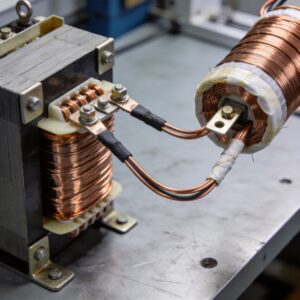
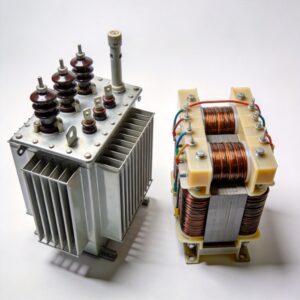
En el corazón de cada transformador sumergido en aceite se encuentra un núcleo robusto fabricado con láminas de acero al silicio laminado, diseñado para canalizar el flujo magnético con pérdidas mínimas. Alrededor de este núcleo se ubican los devanados de alta y baja tensión, generalmente compuestos por conductores de cobre o aluminio. El aceite aislante llena los espacios entre estos devanados, cumpliendo dos funciones cruciales: previene la formación de arcos eléctricos al mantener una alta rigidez dieléctrica y transporta el calor desde los devanados hacia la superficie exterior del tanque.
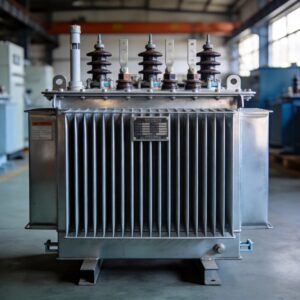
El calor generado por las pérdidas eléctricas en los devanados y el núcleo es absorbido por el aceite, que circula de forma natural por convección o se impulsa a través de radiadores mediante bombas. Al calentarse, el aceite asciende y disipa el calor al ambiente; el aceite más frío desciende entonces para repetir el ciclo. Indicadores de temperatura y relés Buchholz supervisan esta dinámica, activando alarmas o paradas si se superan los umbrales. Gracias a una gestión eficiente tanto del aislamiento como de la refrigeración, el transformador sumergido en aceite garantiza una transformación de voltaje estable, protegiendo al mismo tiempo contra el sobrecalentamiento y la rotura del aislamiento.
Eficiencia y fiabilidad: ventajas clave de los transformadores sumergidos en aceite en la distribución de energía.
Los transformadores sumergidos en aceite destacan por su eficiencia, alcanzando a menudo pérdidas de carga tan bajas como 0,21 TP3T en condiciones óptimas. La alta conductividad térmica del aceite permite que los núcleos y devanados del transformador operen a temperaturas más bajas, lo que a su vez reduce las pérdidas resistivas y prolonga su vida útil. A diferencia de las unidades refrigeradas por aire, los transformadores sumergidos en aceite mantienen un rendimiento constante incluso bajo cargas elevadas o en condiciones ambientales exigentes, ofreciendo a las empresas de servicios públicos y a los operadores industriales una solución fiable para el suministro de energía a largo plazo.
La fiabilidad es otra característica distintiva de los transformadores sumergidos en aceite. Sus tanques sellados protegen los componentes internos de la humedad, el polvo y los gases corrosivos, causas comunes de fallos en el aislamiento. Las pruebas periódicas de aceite permiten detectar gases disueltos y contaminantes de forma temprana, lo que posibilita que los equipos de mantenimiento solucionen los problemas antes de que se agraven. Este enfoque proactivo no solo previene interrupciones no planificadas, sino que también reduce los costes del ciclo de vida. Con una trayectoria comprobada tanto en redes urbanas como en instalaciones remotas, los transformadores sumergidos en aceite siguen siendo fundamentales en las redes de distribución eléctrica modernas.
Impacto global: Cómo los transformadores sumergidos en aceite contribuyen a las soluciones energéticas sostenibles.
A medida que los países persiguen sus objetivos de energías renovables, la estabilidad de la red eléctrica se vuelve fundamental. Los transformadores sumergidos en aceite facilitan la integración de parques solares y eólicos al proporcionar una regulación de voltaje flexible y una gestión de potencia reactiva. Su alta capacidad de sobrecarga garantiza que los picos repentinos en la generación de energía, comunes en las fuentes renovables intermitentes, no comprometan la integridad del sistema. Además, los avances en fluidos aislantes biodegradables han reducido los riesgos ambientales asociados con las fugas de aceite, lo que hace que las instalaciones de transformadores sean más respetuosas con el medio ambiente y cumplan con las normativas más estrictas.
A mayor escala, los transformadores eficientes ayudan a minimizar las pérdidas de transmisión, reduciendo las emisiones de gases de efecto invernadero derivadas de la generación de energía. En las regiones en desarrollo, los transformadores robustos sumergidos en aceite respaldan los proyectos de electrificación rural, impulsando el crecimiento económico y mejorando la calidad de vida. La colaboración internacional fomenta la estandarización y la transferencia de tecnología, asegurando que incluso las redes más remotas puedan beneficiarse de diseños de transformadores de vanguardia. Al mejorar la eficiencia y la confiabilidad energéticas en todo el mundo, los transformadores sumergidos en aceite desempeñan un papel crucial en la transición hacia un futuro con bajas emisiones de carbono.
Conclusión: La importancia actual de los transformadores sumergidos en aceite en la revolución de la electrificación moderna.
El transformador sumergido en aceite es un ejemplo de ingenio ingenieril, que combina la gestión térmica con el aislamiento eléctrico para ofrecer energía constante y de alta calidad. Desde sus humildes comienzos hasta los diseños inteligentes y ecológicos de hoy en día, ha evolucionado continuamente para satisfacer la creciente demanda energética mundial.
A medida que las redes eléctricas se vuelven más complejas y proliferan las fuentes renovables, el transformador sumergido en aceite seguirá siendo una piedra angular de la electrificación, garantizando la eficiencia, la fiabilidad y la sostenibilidad para las generaciones venideras.

 English
 Français
 Español
 Deutsch