
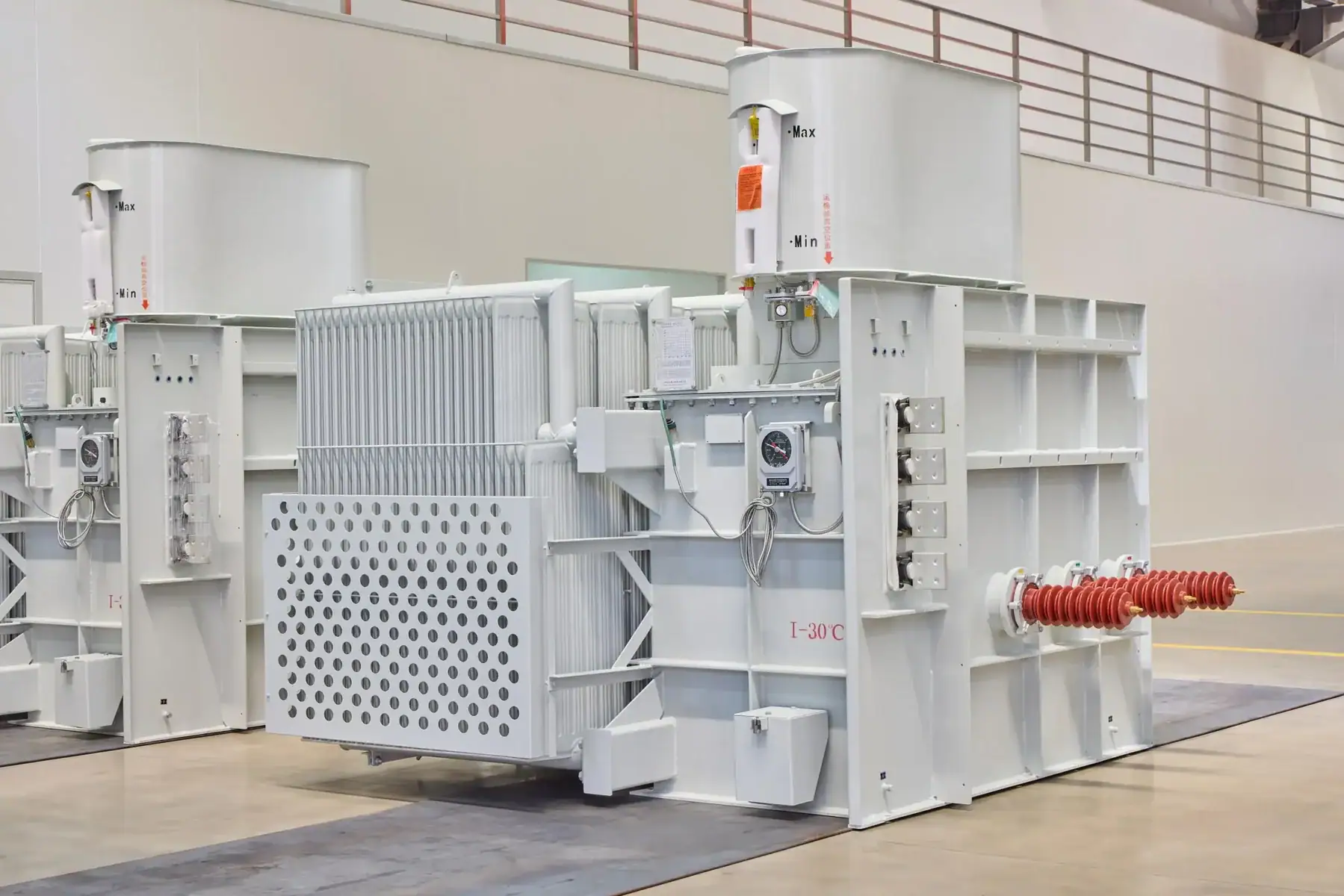
En un mundo donde la energía es la columna vertebral de la civilización moderna, la demanda de una transmisión de energía confiable y eficiente nunca ha sido mayor. Resulta fascinante pensar que el corazón mismo de nuestros sistemas energéticos a menudo depende de un componente aparentemente sencillo: los transformadores de aceite. Estos dispositivos esenciales operan silenciosamente entre bastidores, asegurando que la electricidad fluya sin problemas desde su punto de generación hasta nuestros hogares e industrias. Sin embargo, elegir el fabricante adecuado de transformadores de aceite puede ser más complejo de lo que parece. Con innumerables opciones disponibles, comprender quién destaca por su innovación, confiabilidad y avance tecnológico es crucial para cualquier persona involucrada en el sector energético.
Esta entrada de blog desvelará las complejidades de seleccionar un fabricante de transformadores de aceite de primera categoría. Analizaremos las últimas tendencias y novedades que dan forma al sector, proporcionándole el conocimiento necesario para tomar decisiones informadas. Desde tecnologías de vanguardia que mejoran la eficiencia hasta prácticas de sostenibilidad que reducen el impacto ambiental, el panorama de la fabricación de transformadores está en constante evolución. Tanto si es un veterano del sector como si se inicia en él, esta información es imprescindible si desea mantenerse a la vanguardia y garantizar los más altos estándares de transmisión de energía.

Factores clave a considerar al elegir un fabricante de transformadores llenos de aceite
Al evaluar a un fabricante de transformadores de aceite, lo primero que se debe considerar es su trayectoria en cuanto a calidad y cumplimiento normativo. Un fabricante de renombre contará con certificaciones como ISO 9001, IEC e IEEE, y a menudo demostrará su adhesión a las normas de seguridad locales e internacionales. Sus capacidades de diseño, que abarcan desde unidades de baja hasta alta tensión, deben ajustarse a su aplicación específica, ya sea para servicios públicos, plantas industriales o proyectos de energías renovables. Los parámetros de rendimiento, como la eficiencia (pérdidas con y sin carga), los límites de aumento de temperatura y los niveles de ruido, son cruciales. Pregunte sobre los materiales del núcleo (acero al silicio frente a aleaciones amorfas), los sistemas de aislamiento y el tipo de aceite dieléctrico utilizado, ya que estos factores influyen directamente en la vida útil del transformador y en las necesidades de mantenimiento.
Otro factor clave es la personalización y el soporte posventa. Los principales fabricantes de transformadores llenos de aceite ofrecen soluciones a medida, incluidas configuraciones de cambiadores de tomas, sistemas de refrigeración especiales (radiadores, ventiladores o bombas de aceite) y accesorios para la integración en subestaciones. Igualmente importante es el nivel de asistencia técnica y la cobertura de garantía que se ofrece. Investigue si el fabricante cuenta con equipos de servicio técnico para la instalación, puesta en marcha y reparaciones de emergencia, ya que un soporte rápido puede reducir significativamente el tiempo de inactividad. Pregunte sobre su historial de cumplimiento de plazos; los plazos de entrega prolongados pueden retrasar proyectos críticos de infraestructura eléctrica.
El costo influye inevitablemente, pero debe sopesarse con el costo total de propiedad (CTP) en lugar de considerar únicamente el precio de compra inicial. Solicite análisis del costo del ciclo de vida que tengan en cuenta las pérdidas de energía, el mantenimiento periódico y las pruebas de muestreo de aceite. La proximidad geográfica y la solidez de la cadena de suministro también son importantes: la producción local puede minimizar los riesgos de envío y las demoras aduaneras. Finalmente, solicite estudios de caso o referencias de clientes para validar las afirmaciones sobre el rendimiento. Un proceso exhaustivo de debida diligencia le garantizará asociarse con un fabricante de transformadores de aceite cuyas capacidades se ajusten tanto a sus requisitos técnicos como a su presupuesto.
Innovaciones que impulsan la industria de fabricación de transformadores.
En panorama de la fabricación de transformadores La tecnología se está transformando gracias a varias innovaciones revolucionarias que mejoran el rendimiento y la sostenibilidad. Un avance importante es la adopción de materiales de núcleo amorfos, que pueden reducir las pérdidas en vacío hasta en un 701% en comparación con los núcleos tradicionales de acero al silicio. Estos núcleos de bajas pérdidas mejoran la eficiencia energética, lo que repercute directamente en los costes operativos y la huella de carbono. Paralelamente, la integración de sistemas de monitorización digital —que utilizan sensores IoT para la detección de temperatura, calidad del aceite y descargas parciales— permite realizar diagnósticos en tiempo real. Este enfoque de mantenimiento predictivo minimiza los fallos inesperados y prolonga la vida útil de los transformadores llenos de aceite, al permitir a los operadores abordar los problemas antes de que se agraven.
Otra tendencia clave es el uso de fluidos dieléctricos biodegradables y de baja toxicidad. Los aceites minerales tradicionales presentan riesgos ambientales en caso de fugas; los nuevos fluidos a base de ésteres ofrecen mayor seguridad contra incendios, mayor tolerancia a la humedad y mejor biodegradabilidad. Los fabricantes también están aprovechando métodos de fabricación avanzados, como la impregnación a presión al vacío (VPI), para mejorar la uniformidad del aislamiento y la estabilidad mecánica. Se está explorando la fabricación aditiva (impresión 3D) para componentes complejos, lo que reduce el desperdicio de material y acorta los ciclos de creación de prototipos. Además, la tecnología de gemelos digitales, que crea una réplica virtual de un transformador físico, permite una simulación exhaustiva bajo diversas condiciones de carga y fallas, lo que acelera la optimización del diseño y garantiza una mayor fiabilidad.
Mirando hacia el futuro, diseños de transformadores Están evolucionando para integrarse a la perfección con sistemas de energía renovable y redes inteligentes. Los transformadores modulares ligeros permiten una implementación más rápida en instalaciones solares o eólicas remotas. Están surgiendo prototipos de transformadores de corriente continua de alta tensión (HVDC) para soportar la transmisión a larga distancia con pérdidas reducidas. La investigación sobre transformadores superconductores continúa, prometiendo una resistencia eléctrica casi nula, aunque su comercialización aún tardará algunos años. Al adoptar estas innovaciones, los fabricantes de transformadores de aceite con visión de futuro están transformando el sector energético, ofreciendo soluciones más eficientes, seguras y sostenibles para los desafíos energéticos del mañana.
Importancia de la fiabilidad en la fabricación de transformadores
La fiabilidad es la piedra angular de cualquier sistema de transmisión de energía exitoso, por lo que se convierte en un atributo indispensable al seleccionar un fabricante de transformadores de aceite. Un transformador fiable minimiza las interrupciones no planificadas, asegurando un suministro constante de electricidad a los usuarios finales. Esta fiabilidad se deriva de márgenes de diseño robustos, la calidad de las materias primas y prácticas de fabricación rigurosas. Por ejemplo, los núcleos y devanados del transformador deben soportar esfuerzos térmicos y fuerzas mecánicas durante los ciclos de carga. Los fabricantes que realizan un modelado térmico y un análisis mecánico exhaustivos pueden predecir posibles puntos de fallo y reforzar los diseños en consecuencia.
Las consecuencias financieras de las fallas en los transformadores son significativas. Las paradas no planificadas pueden costar a las empresas de servicios públicos e industrias miles de dólares por hora, sin mencionar el daño a la reputación asociado con los apagones prolongados. Un fabricante confiable de transformadores de aceite invierte en características de redundancia, como circuitos de refrigeración en paralelo y cambiadores de tomas dobles, para mitigar los puntos únicos de falla. También realizan pruebas de envejecimiento acelerado, pruebas de resistencia a cortocircuitos y análisis de vibraciones para validar la durabilidad en condiciones operativas reales. Asociarse con un fabricante que prioriza la confiabilidad reduce la frecuencia del mantenimiento, prolonga la vida útil del transformador y salvaguarda la integridad de su red eléctrica.
La fiabilidad también abarca la integridad de la cadena de suministro y el servicio posventa. Los principales fabricantes mantienen inventarios estratégicos de repuestos críticos y ofrecen acuerdos de servicio de respuesta rápida. Sus redes de servicio globales facilitan las inspecciones in situ, el análisis de aceite y las pruebas de descarga parcial, lo que garantiza que cualquier problema que surja se pueda solucionar con prontitud. Además, la transparencia en las condiciones de la garantía y los procedimientos de escalamiento claros demuestran la confianza del fabricante en sus productos. Al centrarse en la fiabilidad en cada etapa —desde el diseño y la producción hasta la puesta en marcha y el mantenimiento— se puede garantizar una infraestructura eléctrica estable y mitigar los riesgos asociados a los fallos de los transformadores.
Medidas de control de calidad en las principales empresas fabricantes de transformadores
El control de calidad es la base sobre la que los fabricantes de transformadores de aceite de renombre construyen su reputación. El proceso comienza con una inspección rigurosa de las materias primas: se comprueba la planitud y la uniformidad de la orientación del grano de las laminaciones del núcleo, mientras que los conductores de cobre o aluminio se someten a pruebas de resistencia a la tracción y conductividad. Se toman muestras del aceite dieléctrico y se analizan para determinar su humedad, acidez y tensión de ruptura dieléctrica. Durante las etapas de bobinado y ensamblaje, los fabricantes utilizan herramientas de alineación láser, monitores de tensión y máquinas de bobinado de precisión para mantener tolerancias estrictas. Las inspecciones en proceso incluyen comprobaciones de aislamiento vuelta a vuelta, verificación de la distancia de fuga entre capas y mediciones de la resistencia del bobinado, lo que garantiza que cada unidad cumpla con las especificaciones de diseño.
Tras el ensamblaje, los transformadores se someten a una serie de pruebas eléctricas y mecánicas. Las pruebas dieléctricas, como las de frecuencia industrial, tensión inducida e impulsos, verifican la integridad del aislamiento bajo condiciones de funcionamiento simuladas. Las mediciones de descargas parciales detectan cualquier defecto oculto que pudiera provocar un fallo prematuro. Las pruebas de aumento de temperatura confirman que el sistema de refrigeración disipa el calor eficazmente a plena carga, mientras que las pruebas de nivel sonoro garantizan el cumplimiento de la normativa sobre ruido. Las comprobaciones mecánicas, como las pruebas de presión y vacío, validan la estanqueidad y la hermeticidad del tanque. Algunos fabricantes emplean el análisis de respuesta en frecuencia (FRA) para detectar desplazamientos en el bobinado causados por el transporte o cortocircuitos.
Para mantener la mejora continua, las empresas líderes implementan el control estadístico de procesos (CEP) y los principios de producción ajustada (lean manufacturing). Se adhieren a los sistemas de gestión de calidad ISO 9001 y se someten a auditorías externas periódicas. Se realiza un seguimiento de los informes de no conformidad (INC), se analizan las causas raíz y se documentan las acciones correctivas para prevenir su recurrencia. Normas ambientales como la ISO 14001 guían el manejo seguro de aceites y materiales de desecho. Al integrar estas medidas de control de calidad en todas sus operaciones, los fabricantes de transformadores llenos de aceite pueden ofrecer consistentemente productos robustos y de alto rendimiento que cumplen o superan las expectativas del cliente.
Conclusión: Cómo tomar decisiones informadas al seleccionar un fabricante de transformadores llenos de aceite.
Elegir al fabricante adecuado de transformadores de aceite requiere una evaluación integral de la experiencia técnica, la innovación, la fiabilidad y el control de calidad. Al centrarse en factores clave como la eficiencia, la flexibilidad de diseño y un servicio posventa completo, se pueden mitigar los riesgos y optimizar el coste total de propiedad. Optar por fabricantes que priorizan tecnologías de vanguardia, como la monitorización mediante IoT y los fluidos dieléctricos ecológicos, garantiza que su infraestructura eléctrica sea resiliente y sostenible.
En definitiva, las mejores decisiones se basan en datos de rendimiento transparentes, estudios de casos reales y prácticas rigurosas de control de calidad. Colaborar con un fabricante experimentado de transformadores de aceite no solo garantiza un suministro eléctrico ininterrumpido, sino que también sienta las bases para el crecimiento y la innovación futuros en sus proyectos energéticos.

 English
 Français
 Español
 Deutsch