

Cuando pensamos en revoluciones industriales, nos vienen a la mente imágenes de máquinas de vapor y cadenas de montaje. Pero hay una fuerza más silenciosa, aunque igualmente transformadora, en el panorama industrial actual: el transformador. Este discreto componente es el silencioso caballo de batalla del perfecto funcionamiento de innumerables industrias, impulsando al mundo moderno hacia una nueva era de eficiencia e innovación. El impacto de los transformadores en las aplicaciones industriales no es sólo significativo, sino revolucionario. Se han convertido en la columna vertebral de la distribución de energía, permitiendo a las industrias escalar nuevas alturas y alcanzar niveles de productividad sin precedentes.
Piense en esto: sin transformadores, la vasta red de suministro eléctrico de fábricas, centros de datos y plantas de producción sería un caos de ineficiencias. Al convertir los voltajes a niveles óptimos, los transformadores garantizan que la energía no sólo se utilice eficazmente, sino que también se distribuya de forma fiable, minimizando las pérdidas y maximizando la producción. Esta entrada del blog le llevará de viaje a través de las innumerables formas en que los transformadores reconfiguran las industrias, desde la mejora de la eficiencia energética hasta el apoyo a la integración de las energías renovables. Adéntrese en el fascinante mundo de los transformadores y descubra cómo están desbloqueando nuevos potenciales en aplicaciones industriales, sentando las bases para el próximo salto adelante en el avance tecnológico.

Evolución de los transformadores en aplicaciones industriales
Los orígenes del transformador se remontan a finales del siglo XIX, cuando pioneros como Michael Faraday y Nikola Tesla sentaron las bases teóricas de la inducción electromagnética y los sistemas de corriente alterna. Los primeros diseños de transformadores eran rudimentarios y consistían en simples núcleos de hierro envueltos en bobinados primarios y secundarios. Sin embargo, incluso estos dispositivos básicos demostraron una notable capacidad para aumentar o disminuir la tensión, permitiendo la primera distribución de energía eléctrica a gran escala. A medida que crecían las fábricas y los centros urbanos, la demanda de una conversión de energía fiable y eficiente impulsó rápidos avances en el diseño. Los materiales de aislamiento mejoraron, los núcleos se hicieron más finos para reducir las pérdidas por corrientes parásitas y aparecieron configuraciones trifásicas para soportar cargas industriales pesadas.
A mediados del siglo XX, el transformador en aplicaciones industriales había pasado de ser una novedad experimental a una utilidad indispensable. Industrias tan diversas como la siderúrgica o la química dependían de transformadores de gran capacidad para accionar motores, sistemas de iluminación y circuitos de control. El cambio a tensiones de transmisión más altas minimizó las pérdidas en las líneas a larga distancia, mientras que los transformadores reductores in situ proporcionaban tensiones seguras y utilizables para la maquinaria. Estos avances sentaron las bases de la electrificación moderna, permitiendo a las centrales funcionar a escalas sin precedentes. Los transformadores actuales se basan en más de un siglo de innovación e incorporan materiales avanzados, diseños más inteligentes y supervisión digital, todo ello con la misma tarea fundamental: la transformación eficaz de la tensión.
Papel de los transformadores en las redes de distribución eléctrica
En redes industriales de distribución de energía, Los transformadores son el vínculo fundamental entre las fuentes de generación y los equipos de uso final. Las líneas de transmisión de alta tensión transportan la energía a granel desde las centrales eléctricas hasta los transformadores de las subestaciones, que reducen la tensión a niveles adecuados para la distribución regional. A partir de ahí, otros transformadores reducen aún más la tensión para aplicaciones específicas en fábricas, almacenes y plantas de procesamiento. Esta disposición jerárquica garantiza que la energía recorra largas distancias con eficacia y llegue al punto de uso con pérdidas mínimas.
Más allá de la mera conversión de tensión, los transformadores contribuyen a la estabilidad de la red y al equilibrio de la carga. Al permitir que la energía fluya entre distintos niveles de tensión, ayudan a aislar averías, gestionar la potencia reactiva y regular los perfiles de tensión en vastas redes. En polígonos industriales e instalaciones universitarias, los transformadores compactos montados en pedestal o en poste suministran energía fiable directamente a edificios individuales o líneas de producción. La colocación y el dimensionamiento estratégicos de estos transformadores optimizan la resistencia del sistema, reducen el tiempo de inactividad y mantienen la calidad de la energía, lo que los hace indispensables para las operaciones industriales modernas.
Incorporación de energías renovables: La conexión de los transformadores
A medida que las industrias adoptan fuentes de energía renovables como la eólica y la solar, los transformadores desempeñan un papel vital en la integración de estos suministros intermitentes en los sistemas eléctricos existentes. Los huertos solares generan electricidad a tensiones medias, que deben elevarse para su transmisión a la red. A la inversa, las turbinas eólicas suelen producir energía a tensiones variables que requieren estabilización antes de su distribución. Los transformadores con cambiadores de tomas bajo carga y sistemas de refrigeración especializados garantizan una conversión suave de la tensión y un funcionamiento continuo en condiciones fluctuantes.
Las microrredes y los recursos energéticos distribuidos demuestran aún más la versatilidad del transformador en aplicaciones industriales. En estas redes localizadas, los transformadores bidireccionales facilitan el flujo de energía entre los centros de generación, almacenamiento y carga. Proporcionan aislamiento galvánico para proteger los equipos sensibles y permiten la conexión en isla sin problemas durante los cortes de la red. En los sistemas híbridos que combinan generadores diésel, baterías y energías renovables, los transformadores de estado sólido ofrecen tiempos de respuesta rápidos y capacidades de control avanzadas, garantizando que los procesos industriales sigan recibiendo energía al tiempo que se maximiza el uso de energía limpia.
Avances en la tecnología de transformadores
En los últimos años se han producido notables innovaciones en el diseño, los materiales y las tecnologías de control de los transformadores. Los núcleos de alta eficiencia fabricados con aleaciones amorfas o nanocristalinas reducen significativamente las pérdidas en el núcleo, mejorando la eficiencia global del sistema. Los diseñadores también están explorando transformadores de frecuencia ultraalta para aplicaciones industriales especializadas, como el calentamiento por inducción y las interfaces de electrónica de potencia.
Quizá el avance más transformador sea la aparición de los transformadores inteligentes. Equipados con sensores, relés digitales y módulos de comunicación, estos dispositivos proporcionan datos en tiempo real sobre temperatura, carga, estado del aceite y descarga parcial. Al integrarse con plataformas IoT y sistemas SCADA, los transformadores inteligentes permiten el mantenimiento predictivo y el diagnóstico remoto, lo que minimiza el tiempo de inactividad no planificado y prolonga la vida útil de los activos. Las técnicas de fabricación avanzadas, como el bobinado 3D y el apilamiento automatizado de núcleos, mejoran aún más la precisión y la coherencia, garantizando que los transformadores modernos satisfagan las rigurosas exigencias de los entornos de la Industria 4.0.
Garantizar la fiabilidad y seguridad de las operaciones industriales
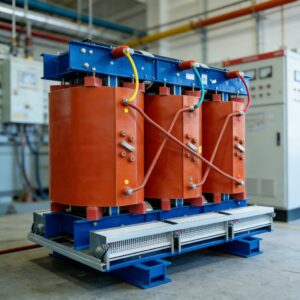
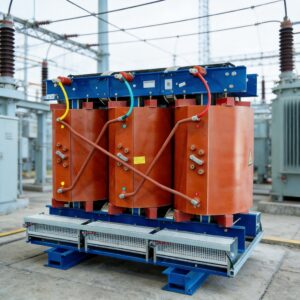
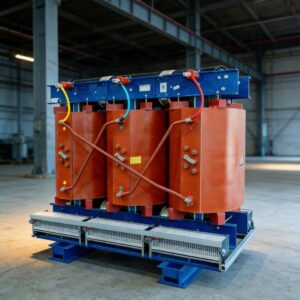
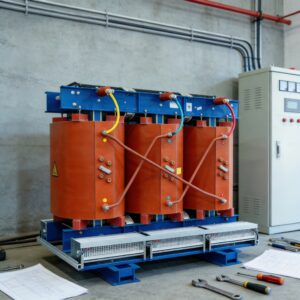
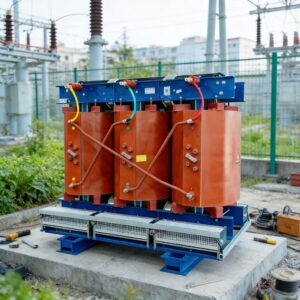
La fiabilidad y la seguridad son primordiales en los entornos industriales, donde los fallos de los transformadores pueden provocar costosos tiempos de inactividad y condiciones peligrosas. Las prácticas de mantenimiento regulares, como el muestreo de aceite, la termografía por infrarrojos y las pruebas dieléctricas, ayudan a detectar los primeros signos de degradación. Los transformadores de tipo seco, que eliminan el aceite aislante inflamable, se adoptan cada vez más en entornos con estrictos requisitos de seguridad contra incendios. Su construcción hermética y sus reducidas necesidades de mantenimiento los hacen ideales para instalaciones interiores y ubicaciones peligrosas.
Los dispositivos de protección, incluidos los descargadores de sobretensión, los relés Buchholz y las válvulas limitadoras de presión, protegen a los transformadores de las sobretensiones y los fallos internos. Las prácticas adecuadas de puesta a tierra y conexión garantizan puntos de referencia estables y minimizan el riesgo de descarga eléctrica. Además, el cumplimiento de las normas internacionales (IEC, IEEE, ANSI) y los códigos específicos del sector garantizan que las instalaciones de transformadores cumplan los criterios de seguridad y rendimiento más recientes. Combinando un diseño robusto, un mantenimiento diligente y esquemas de protección completos, los operadores industriales pueden confiar en sus transformadores para suministrar energía ininterrumpida de forma segura y eficiente.
Conclusión: La perdurable influencia de los transformadores en las revoluciones industriales
Los transformadores han impulsado silenciosamente cada fase del desarrollo industrial, desde los albores de la electrificación hasta las actuales fábricas inteligentes y microrredes renovables. Su capacidad de adaptación, ya sea mediante innovaciones en los materiales, inteligencia digital o integración con energías limpias, sigue abriendo nuevas posibilidades en diversos sectores.
A medida que las industrias se esfuerzan por lograr una mayor eficiencia, sostenibilidad y resistencia, el transformador en las aplicaciones industriales seguirá estando a la vanguardia de la ingeniería energética. Al adoptar diseños avanzados y estrategias de mantenimiento proactivas, las empresas pueden garantizar un suministro de energía fiable, reducir los costes operativos y apoyar la próxima ola de avances tecnológicos en el panorama industrial.

 English
 Français
 Español
 Deutsch