
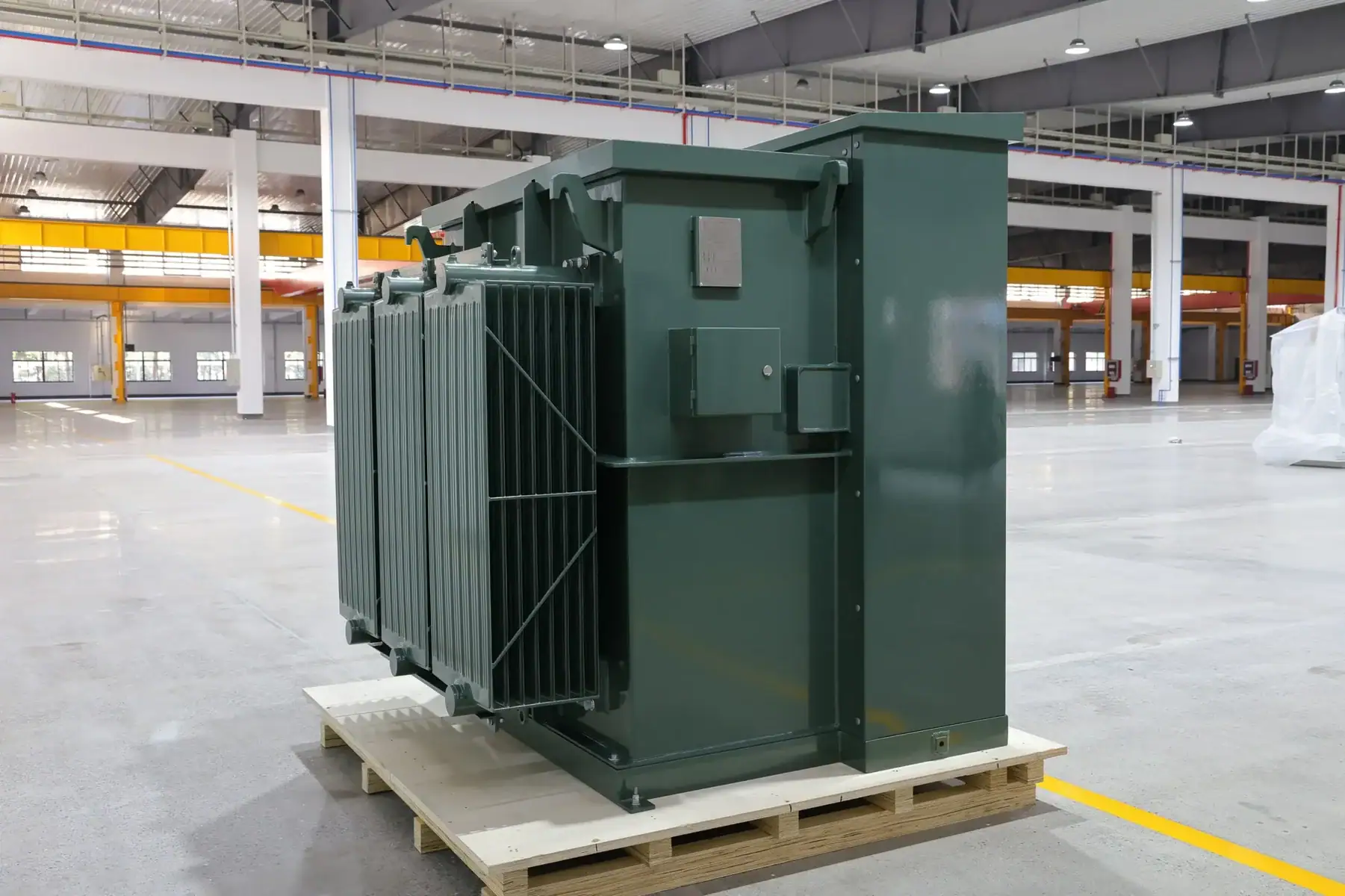
En el panorama en constante evolución de la infraestructura moderna, existe un componente silencioso pero fundamental que mantiene el suministro eléctrico y garantiza el funcionamiento impecable de nuestros dispositivos, aunque a menudo pasa desapercibido. El transformador de plataforma es un elemento clave en nuestros sistemas eléctricos, ubicado estratégicamente en barrios y zonas comerciales para distribuir eficientemente la energía de la red a los usuarios finales. Estos héroes anónimos no son simples cajas al borde de la carretera; están meticulosamente diseñados para proporcionar electricidad fiable y segura día tras día. Pero, ¿qué es exactamente un transformador de plataforma y por qué desempeña un papel tan crucial en nuestra vida cotidiana?
Imagínese un mundo donde cada hogar tuviera su propio equipo eléctrico voluminoso ocupando un valioso espacio en el jardín; no sería un escenario ideal, ¿verdad? Aquí es donde entran en juego las ventajas de los transformadores de pedestal. Estos dispositivos compactos ofrecen una solución práctica que reduce el desorden, mejora la seguridad y realza la estética de nuestras comunidades. Además, su diseño facilita el mantenimiento y permite una respuesta más rápida ante cortes de energía, garantizando que nuestras rutinas diarias continúen sin problemas. Ya sea que tenga curiosidad por el funcionamiento del suministro eléctrico de su vecindario o esté considerando mejoras en la infraestructura, comprender estos transformadores puede brindarle información valiosa sobre la base de la comodidad moderna.
La evolución de los sistemas de distribución de energía
La historia de la distribución de energía comienza a finales del siglo XIX, cuando Thomas Edison y Nikola Tesla fueron pioneros en la creación de redes eléctricas que transportaban energía desde centrales generadoras centralizadas hasta fábricas y calles de las ciudades. Los primeros sistemas eran sencillos: líneas aéreas sostenidas por postes de madera, con subestaciones operadas manualmente que reducían los altos voltajes para su uso local.
Con el crecimiento demográfico urbano y el aumento vertiginoso de la demanda de electricidad, estas redes rudimentarias tuvieron dificultades para satisfacerla. Los frecuentes cortes de energía, los daños causados por fenómenos meteorológicos extremos y los riesgos para la seguridad impulsaron a los ingenieros a buscar soluciones más robustas y fiables. A mediados del siglo XX, las compañías eléctricas comenzaron a experimentar con la distribución subterránea para proteger los cables de la intemperie y reducir el desorden visual. Fue en este contexto que el concepto del transformador montado sobre plataforma surgió como una innovación clave en la transición hacia una infraestructura más resiliente.
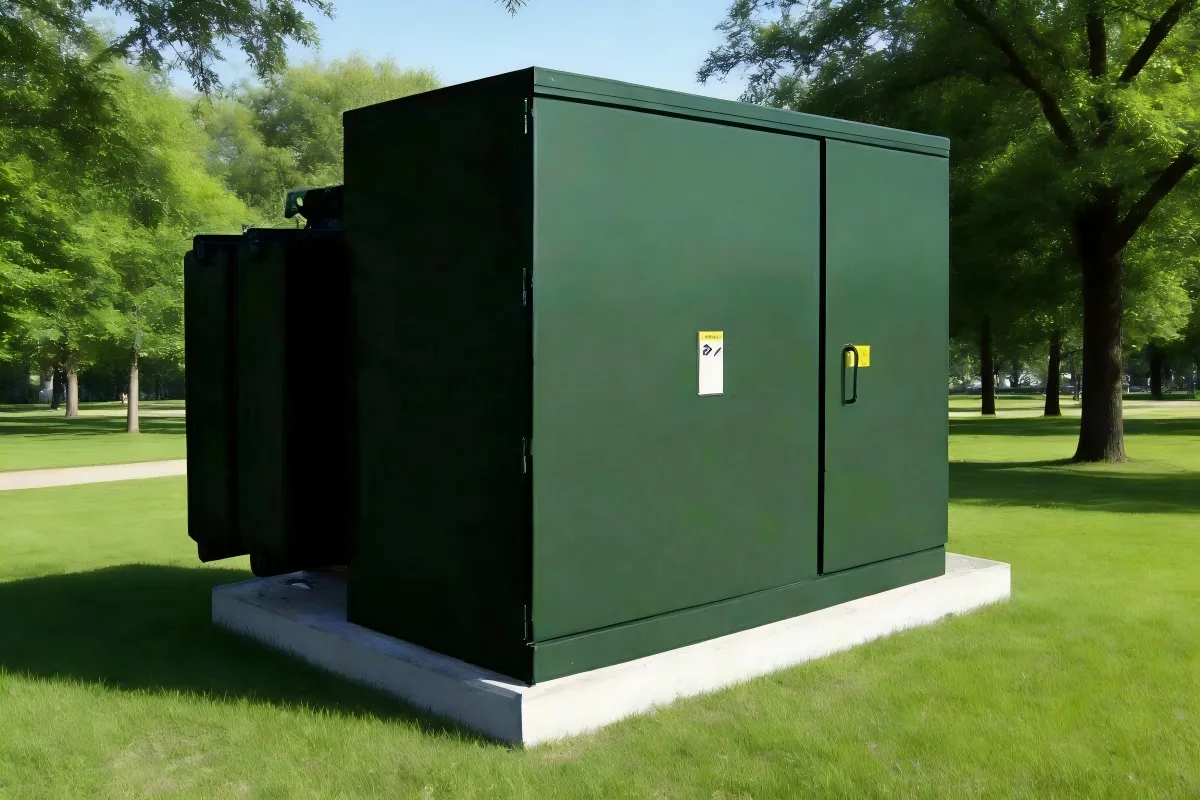
Mientras los municipios y los promotores privados analizaban las tecnologías emergentes, muchos preguntaban: "¿Qué es un transformador de plataforma?". La respuesta radicaba en una unidad autónoma de alta ingeniería diseñada para su instalación a nivel del suelo. Encapsulados en una carcasa metálica protectora e instalados sobre una base de hormigón, estos transformadores se integraban a la perfección con los sistemas de cableado subterráneo, eliminando la necesidad de postes imponentes y antiestéticas estructuras aéreas. A lo largo de las décadas, los avances en materiales aislantes, núcleos rellenos de aceite y sistemas de seguridad perfeccionaron el diseño. Los transformadores de plataforma actuales deben su amplia adopción a décadas de mejoras continuas, compatibilidad con redes inteligentes y técnicas de fabricación optimizadas que equilibran rendimiento, seguridad y rentabilidad.
Componentes clave de un transformador montado sobre una base
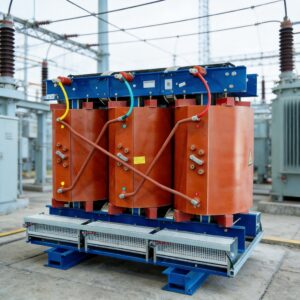
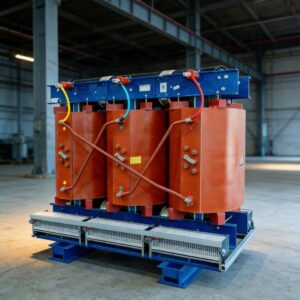
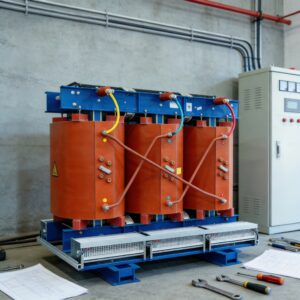
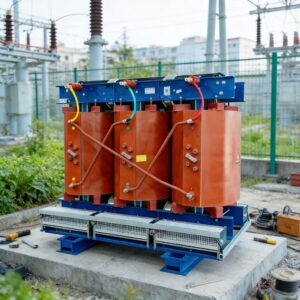
Un transformador montado sobre pedestal es mucho más que una simple caja sobre una losa de hormigón. Su núcleo, generalmente construido con láminas de acero laminado, canaliza el flujo magnético de manera eficiente. Alrededor de este núcleo se encuentran bobinados de alta y baja tensión, fabricados con conductores de cobre o aluminio, aislados y dispuestos para aumentar o disminuir la tensión según sea necesario. Los bobinados están sumergidos en aceite dieléctrico, que actúa como aislante y refrigerante, disipando el calor generado durante el funcionamiento. Los modelos avanzados pueden utilizar ésteres biodegradables para reducir el riesgo ambiental y mejorar el rendimiento térmico.
La carcasa metálica en sí es un sofisticado conjunto de compartimentos y aparamenta eléctrica. En el lado de alta tensión, los interruptores de carga o fusibles permiten a los técnicos aislar el transformador antes de realizar el mantenimiento. Los aisladores proporcionan vías seguras y aisladas para la entrada y salida de conductores de la unidad, mientras que las válvulas de alivio de presión protegen contra fallas internas al ventilar el aceite de forma segura. Todos los paneles externos son bloqueables y están conectados a tierra para evitar el acceso no autorizado y los riesgos eléctricos. En conjunto, estos componentes forman un sistema integrado que proporciona una transformación de voltaje confiable en un paquete compacto y apto para entornos urbanos.
Cómo los transformadores montados sobre base garantizan la seguridad
La seguridad es primordial en cualquier sistema de distribución eléctrica, y los transformadores de plataforma destacan por su diseño. Completamente encerrados en una carcasa de acero con conexión a tierra y cierre de seguridad, evitan el contacto accidental con componentes bajo tensión. Las barreras internas separan las secciones de alta y baja tensión, reduciendo el riesgo de cortocircuitos o descargas disruptivas. Además, los enclavamientos especializados garantizan que los compartimentos de los interruptores no puedan abrirse a menos que el transformador esté desenergizado, protegiendo así al personal de mantenimiento de descargas eléctricas.
Los transformadores modernos de montaje en pedestal incorporan dispositivos de protección como pararrayos, que limitan los picos de tensión peligrosos causados por rayos o maniobras de conmutación. Sensores de temperatura y manómetros monitorizan las condiciones internas en tiempo real, activando alarmas o paradas automáticas si se superan los umbrales establecidos. En caso de fallo interno, los mecanismos de alivio de presión canalizan el aceite de forma segura fuera de la carcasa, minimizando el riesgo de incendio. Gracias a la combinación de robustas barreras físicas con monitorización activa y relés de protección, estos transformadores mantienen altos estándares de seguridad tanto para el público como para los trabajadores de la compañía eléctrica.
Impacto ambiental de los transformadores montados sobre pedestal
Si bien cualquier equipo eléctrico genera cierto impacto ambiental, los transformadores montados sobre pedestal están diseñados para mitigar los riesgos. Las unidades tradicionales, rellenas de aceite mineral, presentan riesgos potenciales de derrame, pero los diseños modernos utilizan cada vez más fluidos biodegradables a base de ésteres que representan una amenaza mínima para el suelo y las aguas subterráneas en el improbable caso de una fuga. Las bandejas de contención secundarias ubicadas debajo del pedestal del transformador reducen aún más la exposición ambiental al capturar cualquier fluido que se escape hasta que pueda ser retirado de forma segura.
La contaminación acústica es otro aspecto a considerar. Al sumergir los núcleos en aceite y aislarlos con materiales avanzados, estos transformadores funcionan con un mínimo de ruido audible, lo que los hace adecuados para zonas residenciales y comerciales. Las emisiones de campo electromagnético se controlan cuidadosamente mediante blindaje y una geometría de núcleo optimizada, lo que garantiza que los niveles se mantengan muy por debajo de las directrices de seguridad internacionales. Además, la mayoría de los componentes (acero, cobre, aluminio y aceite de transformador) son reciclables, lo que permite a las compañías eléctricas recuperar materiales valiosos al final de su vida útil. En conjunto, estas decisiones de diseño demuestran un compromiso con la protección del medio ambiente sin sacrificar el rendimiento.
Conclusión: La importancia de los transformadores montados sobre pedestal en la infraestructura moderna
Los transformadores montados sobre pedestal representan una convergencia fundamental entre ingeniería, seguridad y responsabilidad ambiental. Al permitir una conversión de voltaje eficiente y confiable en un paquete compacto a nivel del suelo, han revolucionado la forma en que las compañías eléctricas gestionan la distribución de energía en entornos urbanos y suburbanos densamente poblados.
Desde la reducción del desorden visual hasta la mejora de la seguridad pública y la minimización de los riesgos ecológicos, estos dispositivos ponen de manifiesto el ingenio que hay detrás de nuestras modernas redes eléctricas. A medida que evolucionan las necesidades de infraestructura, los transformadores de plataforma seguirán desempeñando un papel fundamental en el suministro de la energía limpia y fiable que impulsa nuestra vida diaria.

 English
 Français
 Español
 Deutsch