
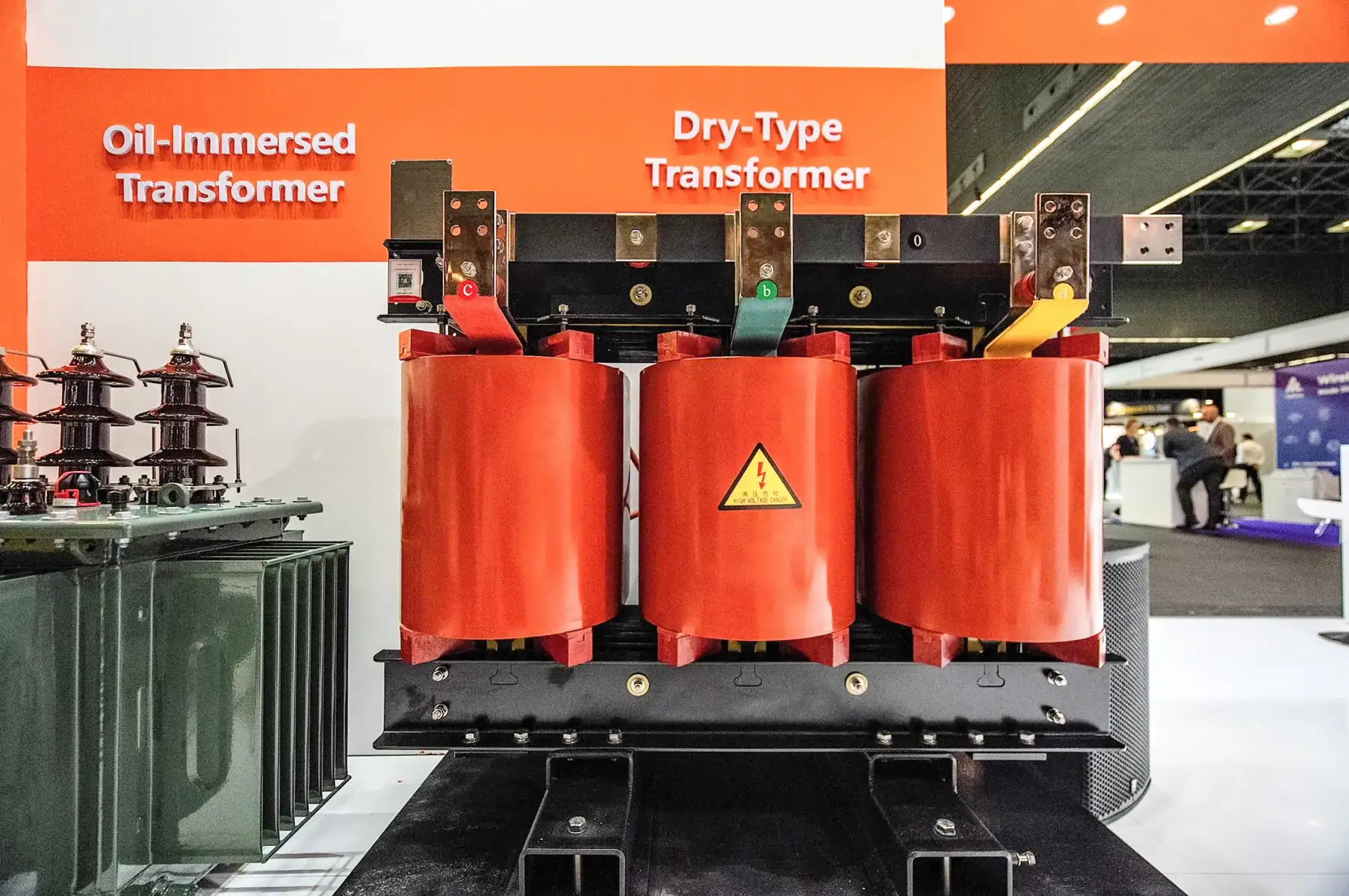
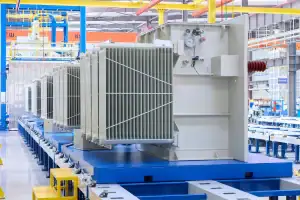
In the bustling symphony of modern infrastructure, where skyscrapers kiss the clouds and industries hum with relentless energy, the often-overlooked conductor keeping this orchestral performance in harmony is the 3 phase electrical transformer. This unsung hero plays a pivotal role in ensuring that power is not just available but is delivered efficiently and reliably across various sectors. From powering suburban neighborhoods to fueling the throbbing heart of urban factories, these transformers are central to creating the seamless connectivity that defines our contemporary landscapes.
Imagine for a moment a world without the steady and silent guardianship of these devices. Cities would grind to a halt, factories would stumble into darkness, and the comforts of modern life would fade into memory. Yet, despite their critical importance, few truly grasp the extent of their influence on our daily lives. As we peel back the layers of how these transformers operate, we unlock a deeper appreciation for their role—not merely as machines, but as vital enablers of progress and innovation. Join us as we delve into the indispensable significance of the 3 phase electrical transformer in the tapestry of modern infrastructure.

Evolution of Electrical Transformers: A Historical Overview
The journey of the 3 phase electrical transformer began in the late 19th century, as pioneering scientists experimented with alternating current (AC) to deliver electricity over greater distances than direct current (DC) systems could manage. Early innovators like Nikola Tesla and George Westinghouse championed AC technology, recognizing that transformers could step voltage levels up or down to minimize losses in long-distance transmission. The advent of the three-phase system soon followed, offering balanced power delivery and smoother operation for industrial machinery and urban lighting.
Throughout the 20th century, transformer design evolved rapidly. Advances in magnetic core materials, such as the introduction of silicon steel laminations, reduced hysteresis and eddy current losses. Insulation technologies have improved, enabling higher operating voltages and greater thermal endurance. By mid-century, 3 phase electrical transformers had become the backbone of national grids, handling power generation, transmission, and local distribution with unprecedented reliability. Today’s transformers benefit from computer-aided engineering, nanocrystalline cores, and vacuum-pressure impregnation techniques—innovations built on the groundwork laid by those early electrical visionaries.
Importance of Efficiency in Power Distribution
Efficient power distribution is vital for reducing energy waste and minimizing operational costs across generation, transmission, and consumption. The 3 phase electrical transformer stands at the heart of this efficiency drive, enabling utilities to transmit bulk power at high voltages while stepping it down for safe end-user consumption. By maintaining low core losses and minimizing copper losses in windings, modern transformers help utilities uphold stringent efficiency standards and regulatory requirements.
Efficiency gains in transformer design translate directly into economic and environmental benefits. Lower losses mean reduced fuel consumption at power plants, fewer greenhouse gas emissions, and smaller carbon footprints for grid operators. Additionally, efficient transformers limit heat build-up, extending the lifespan of insulating materials and reducing maintenance intervals. As renewable energy sources like wind and solar feed into the grid, efficient 3 phase electrical transformers play a crucial role in integrating variable power flows without compromising stability or reliability.
Role of Transformers in Industrial Applications
Industrial settings demand robust, high-capacity power delivery systems to run heavy machinery, process lines, and automation equipment. The 3 phase electrical transformer is indispensable here, offering voltage regulation and isolation that protect sensitive electronics and facilitate smooth motor starting. Industries such as steel manufacturing, petrochemicals, and automotive assembly rely on these transformers to deliver consistent power under fluctuating load conditions.
In manufacturing plants, transformers are often paired with power factor correction devices and switchgear to optimize energy usage and enhance safety. Variable frequency drives (VFDs) connected through transformers allow precise control of motor speeds, boosting production efficiency and reducing mechanical stress. The ability of three-phase systems to balance currents across phases minimizes vibration and extends equipment life. Moreover, isolation transformers shield critical control circuits from electrical noise and surges, ensuring uninterrupted operation of programmable logic controllers (PLCs) and other automation components.
Ensuring Reliability: Maintenance Practices for Transformers
Maintaining the health of a 3 phase electrical transformer is essential to prevent unplanned outages and costly downtime. Regular inspections—both visual and through advanced diagnostic tools like dissolved gas analysis (DGA)—help identify emerging issues such as insulation degradation, winding hotspots, or moisture ingress. By detecting anomalies early, utility and industrial maintenance teams can plan targeted interventions before minor faults escalate into catastrophic failures.
Routine preventive measures include oil sampling, infrared thermography, and power factor testing. Oil analysis reveals the presence of harmful gases and particulate matter, indicating potential arcing or overheating. Infrared scans highlight uneven temperature distributions that may signal winding faults or core displacement. Power factor tests assess insulation integrity, guiding decisions on oil reclamation or replacement. Scheduled tap-changer inspections and bushing checks round out a comprehensive maintenance regime, ensuring transformer reliability and extending operational life.
Conclusion: The Enduring Legacy of Phase Electrical Transformers
The evolution, efficiency, industrial versatility, and meticulous maintenance of the 3 phase electrical transformer underscore its pivotal role in powering modern society. As urban centers expand and renewable integration accelerates, these transformers will continue to adapt through innovation in materials, design, and monitoring technologies.
Their enduring legacy is one of resilience and progress—silent guardians that sustain the pulse of contemporary life. By appreciating their significance and investing in their upkeep, we safeguard the continuous flow of power that fuels our homes, industries, and future advancements.


 English
 Français
 Español
 Deutsch