
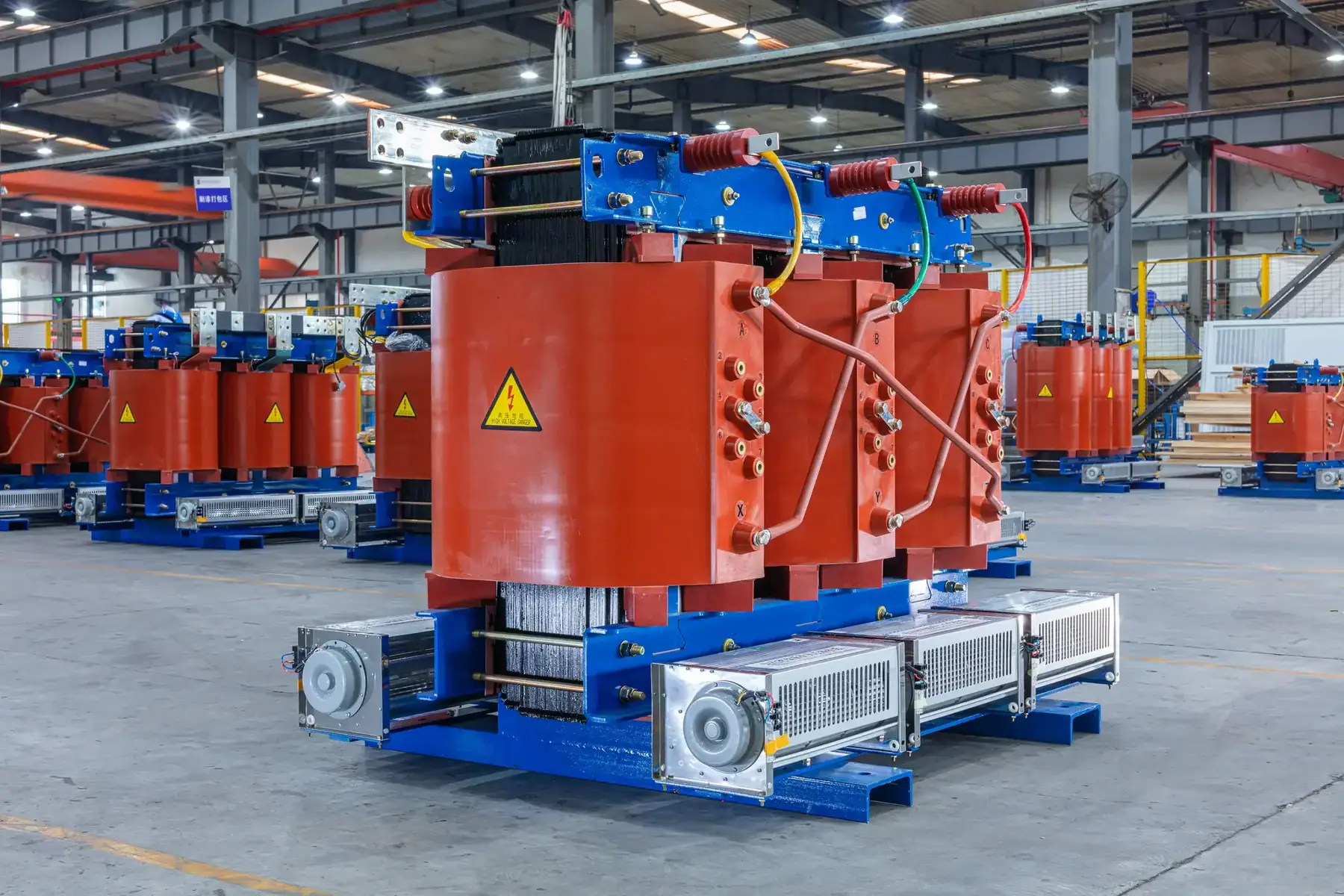
Les transformateurs sont des composants essentiels des systèmes électriques, jouant un rôle vital dans la régulation de la tension et la distribution de l'énergie. Parmi les différents types, les transformateurs secs ont gagné en popularité grâce à leurs caractéristiques de sécurité intrinsèques et leurs avantages environnementaux. Contrairement aux transformateurs immergés dans l'huile, les transformateurs secs utilisent l'air comme fluide de refroidissement, ce qui élimine les risques de fuites et de déversements d'huile et en fait une option plus sûre et plus écologique. Cependant, leur installation requiert une attention particulière, notamment en ce qui concerne les dégagements nécessaires. Cet article vous guidera à travers les dégagements essentiels. lignes directrices pour les transformateurs de type sec, garantissant ainsi des performances et une sécurité optimales.

Avant d'aborder les spécificités liées au dégagement, il est essentiel de comprendre ce que sont les transformateurs secs. Contrairement à leurs homologues à bain d'huile, les transformateurs secs utiliser l'air comme fluide de refroidissement. Cela les rend moins dangereux et plus respectueux de l'environnement, car il n'y a aucun risque de fuites ou de déversements d'huile. L'absence d'huile signifie également qu'ils sont moins inflammables, ce qui améliore la sécurité des installations intérieures. Ces caractéristiques rendent les transformateurs secs particulièrement adaptés aux applications commerciales et industrielles où les préoccupations environnementales et de sécurité sont primordiales.
Les transformateurs secs sont généralement utilisés en intérieur, dans des lieux tels que les écoles, les hôpitaux et les immeubles de bureaux, où un niveau de sécurité élevé est requis. Conçus pour résister aux conditions environnementales difficiles, ils sont durables et fiables sur le long terme. L'utilisation de matériaux isolants solides renforce leur robustesse, réduisant ainsi la fréquence de maintenance et les coûts d'exploitation. La compréhension de ces caractéristiques permet de saisir l'importance cruciale du dégagement, car celui-ci influe directement sur l'efficacité du refroidissement et les performances globales du transformateur.
Pourquoi le dédouanement est important
L'espace libre autour d'un transformateur est indispensable à son fonctionnement, sa maintenance et son refroidissement en toute sécurité. Un espace libre adéquat assure une ventilation suffisante et prévient la surchauffe, qui peut entraîner une panne ou un incendie. Il permet également une maintenance et une utilisation en toute sécurité, minimisant ainsi les risques d'accidents électriques. Garantir un espace libre suffisant est un moyen simple d'allonger la durée de vie du transformateur et de préserver son rendement.
Un dégagement insuffisant peut restreindre la circulation de l'air, provoquant une surchauffe du transformateur. Ceci affecte non seulement ses performances, mais présente également des risques importants pour la sécurité. La surchauffe peut entraîner une dégradation de l'isolation, réduisant ainsi l'efficacité et pouvant conduire à une panne du transformateur. De plus, un dégagement insuffisant peut entraver l'accès pour les inspections et la maintenance courantes, compliquant les réparations et augmentant les temps d'arrêt. Par conséquent, le respect des consignes de dégagement n'est pas seulement une obligation réglementaire, mais un aspect crucial de la sécurité et de l'efficacité d'exploitation.
Directives de dédouanement des clés
Dégagement d'installation pour les transformateurs de type sec
Lors de l'installation d'un transformateur sec, il est essentiel de respecter les distances d'installation minimales. Ces distances peuvent varier en fonction de la taille du transformateur, de son application et de son emplacement, mais les recommandations générales sont les suivantes :
- Dégagement avant : Un espace d’au moins 90 cm (36 pouces) doit être prévu à l’avant du transformateur pour faciliter l’accès et la maintenance. Cet espace permet aux techniciens d’effectuer les inspections, les réparations et les remplacements sans obstruction, garantissant ainsi l’accessibilité de tous les composants.
- Dégagement arrière et latéral : Un dégagement minimal de 60 cm (24 pouces) est recommandé pour assurer un refroidissement adéquat et la sécurité. Cet espace est nécessaire pour faciliter une bonne circulation de l’air autour du transformateur, évitant ainsi l’accumulation de chaleur et garantissant un refroidissement efficace.
- Dégagement vertical : Prévoyez un espace d’au moins 30 cm au-dessus du transformateur pour faciliter la dissipation de la chaleur. Ce dégagement est essentiel au processus de convection naturelle, où l’air chaud monte, permettant à l’air plus frais de circuler autour du transformateur.
Le respect de ces consignes d'espacement garantit non seulement un fonctionnement sûr, mais contribue également à optimiser les performances du transformateur. Un espacement suffisant permet une meilleure gestion de la chaleur, réduisant ainsi le risque de surchauffe et prolongeant la durée de vie du transformateur. De plus, ces consignes fournissent un cadre de conformité aux codes du bâtiment et aux réglementations de sécurité locales, ce qui est essentiel pour éviter les sanctions juridiques et financières.
Liquidation de transformateurs en résine coulée
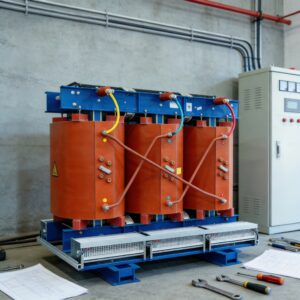
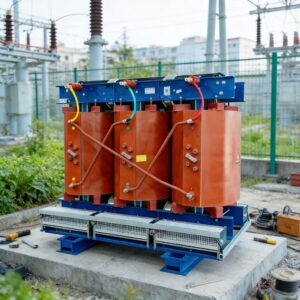
Transformateurs en résine coulée Ce sont des transformateurs secs réputés pour leur fiabilité et leur faible maintenance. Leurs exigences d'isolement sont similaires à celles des transformateurs secs standard.
- Façade : Espace minimum de 91 cm (36 pouces) pour l’accès opérationnel. Cet espace est essentiel pour effectuer les tâches d’entretien courant et garantit que toutes les pièces du transformateur sont accessibles pour l’inspection et la réparation.
- Côtés et arrière : 61 cm (24 pouces) pour faciliter la dissipation de la chaleur et la maintenance. Un espacement adéquat sur les côtés et à l’arrière assure un refroidissement efficace et prévient l’accumulation de chaleur susceptible d’entraîner une panne de l’équipement.
- Au-dessus : 30 cm (12 pouces) pour assurer une ventilation adéquate. Cet espace est nécessaire à la dissipation efficace de la chaleur, garantissant ainsi le fonctionnement du transformateur dans les limites de température sûres.
La construction robuste et conception de transformateurs en résine coulée Ces transformateurs conviennent à diverses applications, mais comme tous les transformateurs, ils nécessitent un dégagement adéquat pour un fonctionnement optimal. Un espacement suffisant améliore non seulement l'efficacité du refroidissement, mais minimise également le risque de surchauffe, qui peut engendrer des réparations ou des remplacements coûteux. En respectant ces consignes de dégagement, vous garantissez le fonctionnement sûr et efficace de vos transformateurs en résine coulée, contribuant ainsi à la fiabilité globale de votre installation électrique.
Dégagement de refroidissement du transformateur

Le refroidissement est un aspect crucial du fonctionnement d'un transformateur. Un dégagement insuffisant peut entraver la circulation de l'air et entraîner une surchauffe. Veillez toujours à :
- Ventilation optimale : Veillez à ce que la zone autour du transformateur soit dégagée de tout obstacle susceptible de bloquer la circulation de l’air. Évitez notamment d’entreposer des matériaux ou des équipements à proximité du transformateur qui pourraient entraver la circulation de l’air.
- Nettoyage régulier : La poussière et les débris peuvent s’accumuler et obstruer les conduits de ventilation. Un nettoyage régulier est essentiel pour maintenir une efficacité de refroidissement optimale. Mettez en place un programme d’entretien régulier pour inspecter et nettoyer le transformateur et les zones environnantes, en veillant à ce que les conduits de ventilation restent dégagés et efficaces.
- Surveillance de la température : Installez des capteurs de température pour garantir le fonctionnement du transformateur dans des limites de sécurité. Ces dispositifs fournissent des données en temps réel sur les conditions de fonctionnement du transformateur, permettant ainsi une intervention rapide en cas d’anomalies de température.
Un dégagement de refroidissement adéquat est essentiel au maintien de l'efficacité et de la sécurité d'un transformateur. En veillant à ce que la circulation de l'air soit dégagée et que le transformateur soit régulièrement nettoyé et surveillé, vous pouvez prévenir la surchauffe et prolonger sa durée de vie. De plus, les systèmes de surveillance de la température fournissent des informations précieuses sur les performances du transformateur, permettant une maintenance proactive et minimisant le risque de pannes inattendues.
Plan d'aménagement du transformateur de la salle électrique
Lors de la conception de l'aménagement d'un local électrique, tenez compte des éléments suivants :
- Aménagement de l'espace : Prévoir un espace suffisant pour tous les équipements, y compris les transformateurs, sans compromettre les dégagements nécessaires. Un aménagement adéquat est essentiel pour optimiser l'agencement et garantir l'accessibilité de tous les équipements pour la maintenance et les interventions d'urgence.
- Accès : Concevoir l’agencement de manière à faciliter l’accès à tous les équipements pour la maintenance et les interventions d’urgence. Des voies de circulation dégagées doivent être maintenues afin de permettre un déplacement rapide et sûr dans la pièce, et de garantir que le personnel puisse accéder aux équipements sans obstacle.
- Sécurité : Maintenez des distances de sécurité entre les équipements afin de minimiser les risques de défauts électriques ou d’accidents. Un espacement adéquat réduit les risques d’arcs électriques et autres dangers, améliorant ainsi la sécurité générale du local électrique.
Un agencement bien conçu des locaux électriques garantit non seulement la conformité aux normes de sécurité, mais améliore également l'efficacité opérationnelle. En tenant compte des dégagements nécessaires et en privilégiant l'accès et la sécurité, vous créez un environnement fonctionnel et sécurisé pour tous les équipements électriques. De plus, un agencement bien pensé facilite la maintenance et les inspections régulières, réduisant ainsi les temps d'arrêt et améliorant la fiabilité de votre installation électrique.
Dégagement et espacement du transformateur sec
L'espacement autour des transformateurs secs est essentiel pour la sécurité et l'efficacité. Les recommandations générales en matière d'espacement sont les suivantes :
- Distances minimales : Respectez les recommandations du fabricant concernant les distances minimales entre les transformateurs et les autres équipements. Ces recommandations, basées sur des tests approfondis, visent à garantir des performances et une sécurité optimales.
- Distance de sécurité par rapport aux murs : Maintenez une distance minimale de 60 cm (24 pouces) entre le transformateur et les murs afin d’assurer une circulation d’air adéquate. Cette distance est nécessaire pour éviter l’accumulation de chaleur et garantir un refroidissement efficace, ce qui est essentiel pour préserver les performances et la durée de vie du transformateur.
- Installation de plusieurs transformateurs : lors de l’installation de plusieurs transformateurs, veillez à les espacer suffisamment afin d’éviter l’accumulation de chaleur et d’assurer un refroidissement efficace. Un espacement adéquat entre les unités permet une meilleure dissipation de la chaleur et réduit le risque de surchauffe, qui peut entraîner une panne de l’équipement.
Le respect de ces consignes d'espacement est essentiel pour garantir le fonctionnement sûr et efficace des transformateurs secs. En suivant les recommandations du fabricant et en maintenant un dégagement suffisant par rapport aux murs et aux autres équipements, vous optimisez la circulation de l'air et le refroidissement, réduisant ainsi le risque de surchauffe et améliorant la fiabilité du transformateur. De plus, un espacement adéquat facilite la maintenance et les inspections, garantissant un accès aisé à tous les composants pour les contrôles et réparations de routine.
Sécurité et conformité
Distance de sécurité du transformateur
La sécurité est primordiale lors de toute intervention sur des installations électriques. Voici quelques consignes de distance de sécurité :
- Sécurité du personnel : Veillez à ce que le personnel puisse circuler en toute sécurité autour du transformateur dans un espace suffisant. Un dégagement adéquat réduit les risques d’accidents et permet un accès sécurisé lors des opérations de maintenance et des interventions d’urgence.
- Sécurité incendie : Respectez les distances de sécurité pour réduire les risques d’incendie et envisagez l’installation de systèmes d’extinction automatique si nécessaire. Un espacement et un dégagement adéquats contribuent à minimiser les risques de surchauffe et d’arcs électriques, qui peuvent provoquer des incendies.
- Accès d'urgence : Concevoir l'aménagement de manière à permettre un accès rapide en cas d'urgence, avec des voies d'évacuation clairement dégagées. Il est essentiel, pour une intervention d'urgence et des procédures d'évacuation efficaces, de garantir que le personnel puisse se déplacer rapidement et en toute sécurité autour du transformateur.
En privilégiant les distances de sécurité, vous créez un environnement plus sûr pour le personnel et les équipements. Un dégagement suffisant réduit les risques d'accidents et garantit la conformité aux normes de sécurité, améliorant ainsi la sécurité et la fiabilité globales de votre installation électrique. De plus, des mesures de sécurité incendie, telles que l'installation de systèmes d'extinction automatique, offrent une protection supplémentaire et minimisent les risques d'incidents liés au feu.
Exigences de distance d'installation
Le respect des distances d'installation est essentiel pour la conformité aux normes et codes électriques. Vérifiez toujours :
- Réglementations locales : Différentes régions peuvent avoir des réglementations spécifiques concernant les distances d’installation des transformateurs. Il est essentiel de se familiariser avec ces réglementations afin d’assurer leur conformité et d’éviter d’éventuelles sanctions juridiques et financières.
- Consignes du fabricant : Suivez les instructions d’installation du fabricant du transformateur pour connaître les dégagements spécifiques. Ces consignes sont basées sur des tests approfondis et visent à garantir des performances et une sécurité optimales.
Le respect des distances d'installation est essentiel pour garantir le fonctionnement sûr et efficace des transformateurs. En vous conformant aux réglementations locales et aux recommandations du fabricant, vous évitez d'éventuels problèmes juridiques et vous assurez que votre installation respecte toutes les normes de sécurité en vigueur. De plus, le respect de ces exigences contribue à améliorer la fiabilité et les performances de vos transformateurs, réduisant ainsi le risque de pannes inattendues et de réparations coûteuses.
Espace de ventilation du transformateur

L'espace de ventilation est essentiel au maintien de l'efficacité et de la durée de vie d'un transformateur. Les principaux points à prendre en compte sont les suivants :
- Ventilation naturelle : Exploitez la circulation naturelle de l’air en positionnant les transformateurs près des ouvertures de ventilation lorsque cela est possible. Cela peut améliorer l’efficacité du refroidissement et réduire le besoin de systèmes de refroidissement mécaniques supplémentaires.
- Ventilation forcée : Dans les zones où la ventilation naturelle est limitée, il est conseillé d’utiliser des ventilateurs ou d’autres dispositifs mécaniques pour assurer un refroidissement adéquat. Ces systèmes garantissent un flux d’air constant et fiable, permettant ainsi au transformateur de fonctionner dans des limites de température sûres.
- Inspections régulières : Effectuez des inspections de routine pour vous assurer que les conduits de ventilation restent dégagés et fonctionnels. Un entretien et un nettoyage réguliers permettent d’éviter l’accumulation de poussière et de débris, qui peuvent obstruer la circulation de l’air et réduire l’efficacité du refroidissement.
Un espace de ventilation adéquat est essentiel au bon fonctionnement et à la sécurité des transformateurs. L'utilisation de méthodes de ventilation naturelle et forcée permet d'améliorer l'efficacité du refroidissement et de réduire les risques de surchauffe. Des inspections et une maintenance régulières sont également indispensables pour maintenir des conduits de ventilation dégagés et fonctionnels, garantissant ainsi le fonctionnement sûr et fiable de vos transformateurs sur le long terme.
Meilleures pratiques pour l'installation d'un transformateur
Planification et conception
Une planification et une conception adéquates sont essentielles à la réussite de l'installation d'un transformateur. Il est conseillé de faire appel à des ingénieurs électriciens pour concevoir un agencement efficace respectant toutes les exigences de dégagement et de sécurité. Collaborer avec des professionnels expérimentés vous garantit une installation performante et conforme à la réglementation en vigueur.
Lors de la planification et de la conception de l'installation de votre transformateur, tenez compte de facteurs tels que sa taille, son emplacement et son application prévue. Une planification et une conception d'agencement adéquates de l'espace sont essentielles pour garantir un dégagement et un accès suffisants, réduire les risques d'accidents et optimiser l'efficacité opérationnelle. De plus, l'intégration de dispositifs de sécurité, tels que des systèmes d'extinction d'incendie, offre une protection supplémentaire, assurant ainsi la sécurité et la fiabilité de votre installation.
Entretien régulier
Un entretien régulier est essentiel pour garantir le fonctionnement efficace et sûr des transformateurs secs. Élaborez un programme d'entretien comprenant des inspections, le nettoyage et le contrôle des composants. Un entretien de routine permet d'identifier les problèmes potentiels avant qu'ils ne s'aggravent, réduisant ainsi le risque de pannes inattendues et de réparations coûteuses.
Un plan de maintenance complet doit inclure des inspections régulières de tous les composants du transformateur, ainsi que leur nettoyage et des tests afin de garantir des performances optimales. En respectant un calendrier de maintenance rigoureux, vous améliorez la fiabilité et la durée de vie de vos transformateurs, réduisez les risques d'arrêt et optimisez l'efficacité globale du système.
Formation et sécurité
Veillez à ce que tout le personnel impliqué dans l'installation et la maintenance des transformateurs soit correctement formé. Insistez sur les protocoles de sécurité et dispensez des formations régulières afin de tenir chacun informé des bonnes pratiques et des mesures de sécurité. Une formation adéquate est essentielle pour garantir que le personnel puisse accomplir ses tâches en toute sécurité et efficacement, réduisant ainsi les risques d'accidents et améliorant la fiabilité globale du système.
Outre la formation initiale, il est important de proposer une formation continue et des mises à jour sur les protocoles de sécurité et les bonnes pratiques. Des sessions de formation régulières permettent de renforcer les mesures de sécurité essentielles et de garantir que le personnel possède les connaissances et les compétences nécessaires pour accomplir ses tâches en toute sécurité et efficacement. En privilégiant la formation et la sécurité, vous améliorez la sécurité et la fiabilité globales de votre installation de transformateurs, réduisez les risques d'accidents et assurez la conformité avec la réglementation en vigueur.
Conclusion
Il est crucial de comprendre et de respecter les consignes de dégagement pour les transformateurs secs. assurer un fonctionnement sûr et efficace. En suivant ces recommandations, vous pouvez prévenir la surchauffe, faciliter la maintenance et améliorer la sécurité globale. Il est primordial de toujours respecter la réglementation locale et les instructions du fabricant pour garantir une installation réussie et une fiabilité à long terme. De plus, il est conseillé de faire appel à des professionnels expérimentés pour concevoir et mettre en œuvre un plan d'installation optimisé qui réponde à toutes les exigences de sécurité et de performance. Ainsi, vous vous assurez du fonctionnement sûr et efficace de vos transformateurs, contribuant à la fiabilité et à la performance globales de votre installation électrique.

 English
 Français
 Español
 Deutsch