
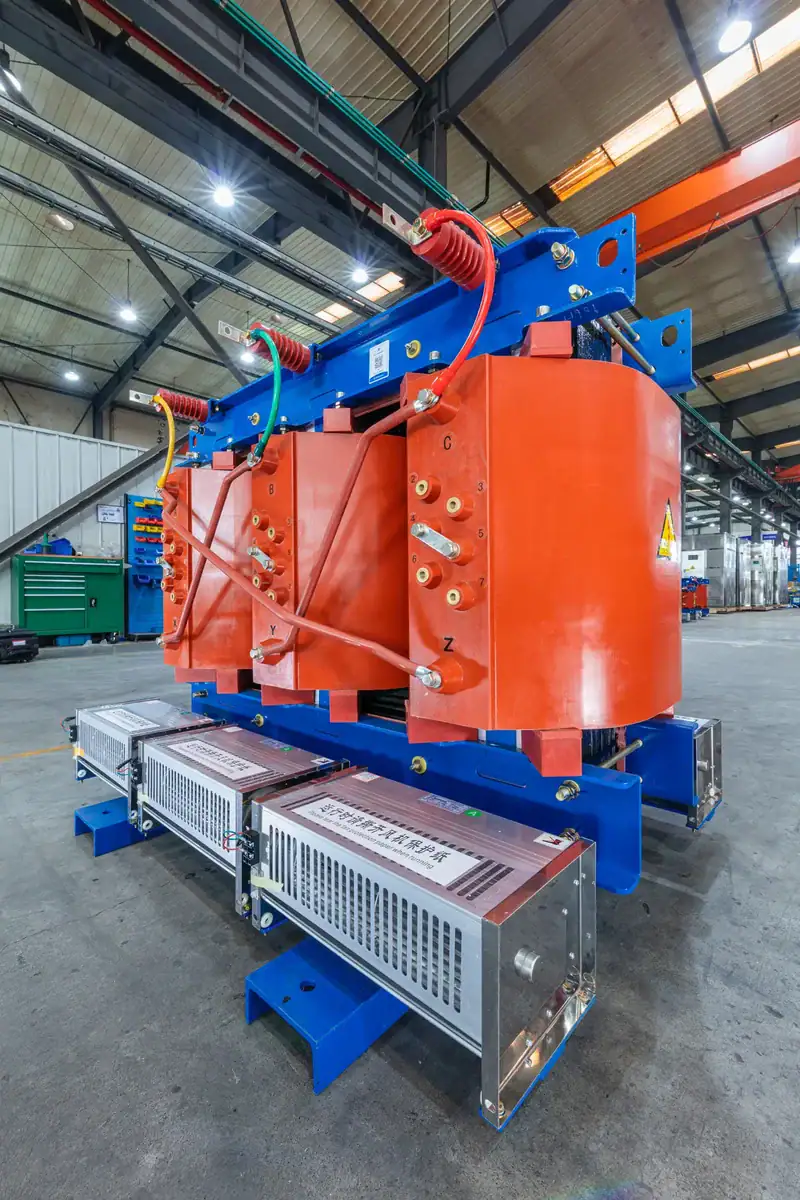
Dans le domaine de l'ingénierie électrique, l'optimisation du rendement est un objectif essentiel, en particulier en ce qui concerne les transformateurs. Les transformateurs à sec, réputés pour leur sécurité et leurs avantages environnementaux, ne font pas exception. Il est essentiel de comprendre comment améliorer le rendement de ces transformateurs afin d'assurer une distribution d'énergie efficace et de réduire les pertes d'énergie.

Comprendre les transformateurs à sec
Les transformateurs à sec sont des transformateurs électriques qui utilisent de l'air à la place d'un isolant liquide. Ils sont souvent privilégiés dans les environnements où la sécurité est une priorité, comme les écoles, les hôpitaux et les bâtiments commerciaux. Ces transformateurs sont réputés pour leur durabilité et leur résistance au feu, ce qui en fait un choix fiable pour de nombreuses applications.
Avantages des transformateurs à sec
L'un des principaux Avantages des transformateurs à sec c'est leur sécurité. Contrairement aux transformateurs à huile, ils n'utilisent pas de liquides inflammables, ce qui réduit les risques d'incendie. De plus, ils nécessitent moins d'entretien et ont une durée de vie plus longue, ce qui contribue à réduire les coûts d'exploitation à long terme.
Transformateurs en résine moulée
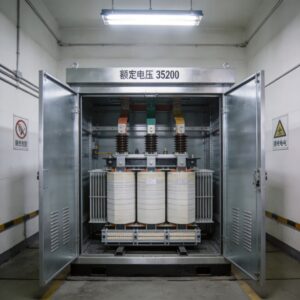
Les transformateurs à résine moulée constituent un type courant de transformateurs à sec. Ces transformateurs utilisent de la résine époxy pour encapsuler les enroulements, ce qui garantit une excellente isolation et une protection contre l'humidité et les contaminants. Grâce à leur conception robuste, les transformateurs à résine moulée sont particulièrement adaptés aux environnements difficiles.

Facteurs affectant l'efficacité des transformateurs
Plusieurs facteurs peuvent influer sur le rendement des transformateurs à sec. La compréhension et l'optimisation de ces facteurs peuvent permettre d'améliorer considérablement les performances des transformateurs et de réduire les pertes d'énergie.
Pertes dans les transformateurs
Les pertes dans les transformateurs sont inévitables, mais elles peuvent être réduites au minimum. Ces pertes sont généralement classées en deux catégories : les pertes dans le noyau et les pertes dans le cuivre. Les pertes dans le noyau sont dues à la magnétisation du matériau du noyau, tandis que les pertes dans le cuivre résultent de la résistance des enroulements. Ces deux types de pertes contribuent à réduire le rendement du transformateur.
Rendement électrique
Le rendement électrique des transformateurs correspond au rapport entre la puissance de sortie et la puissance d'entrée. Améliorer ce rendement revient à réduire les pertes qui surviennent au cours du processus de transformation. Pour y parvenir, il convient de choisir des matériaux de haute qualité, d'optimiser la conception du transformateur et de veiller à ce que son installation et son entretien soient effectués dans les règles de l'art.
Optimisation de la conception des transformateurs pour un meilleur rendement
La conception joue un rôle crucial dans le rendement des transformateurs à sec. En se concentrant sur les éléments clés de la conception, les fabricants peuvent créer des transformateurs à faibles pertes qui optimisent le rendement électrique.
Matériaux de base
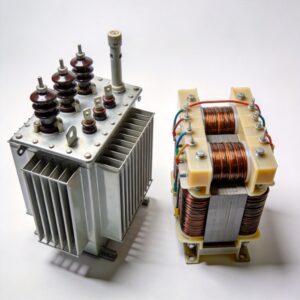
Le choix du matériau du noyau a une incidence significative sur le rendement d'un transformateur. L'utilisation d'acier au silicium de haute qualité ou de noyaux en métal amorphe permet de réduire les pertes dans le noyau. Ces matériaux présentent des pertes par hystérésis et par courants de Foucault plus faibles, ce qui se traduit par de meilleures performances globales.
Techniques d'enroulement
Les techniques d'enroulement avancées peuvent également améliorer le rendement des transformateurs. Par exemple, l'utilisation d'enroulements en disque continu ou de configurations d'enroulements entrelacés permet de réduire les pertes dans le cuivre et d'améliorer la dissipation thermique. Cela garantit que le transformateur fonctionne à des températures optimales, ce qui renforce encore son rendement.
Systèmes de refroidissement
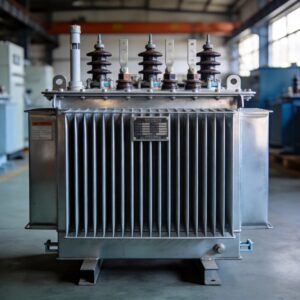
Des systèmes de refroidissement efficaces sont essentiels pour préserver le rendement des transformateurs. Une ventilation adéquate et des mécanismes de refroidissement appropriés contribuent à dissiper la chaleur, ce qui permet d'éviter la surchauffe et de réduire les pertes d'énergie. L'installation de ventilateurs ou de systèmes de climatisation peut améliorer considérablement le performance des transformateurs de type sec.
Mesures concrètes pour améliorer le rendement des transformateurs
L'amélioration du rendement des transformateurs ne repose pas uniquement sur leur conception ; elle passe également par des mesures concrètes pouvant être mises en œuvre lors de leur installation et de leur exploitation.
Entretien régulier
Un entretien régulier est essentiel pour garantir le bon fonctionnement des transformateurs. Cela comprend le nettoyage, la recherche de dommages et la vérification des connexions. L'entretien de routine permet de détecter rapidement les problèmes potentiels, évitant ainsi des réparations coûteuses et des temps d'arrêt.
Gestion de la charge
Une bonne gestion de la charge est essentielle pour optimiser le rendement des transformateurs. Veiller à ce que les transformateurs fonctionnent dans leur plage de charge optimale permet de réduire les pertes et de prolonger leur durée de vie. La surcharge des transformateurs peut entraîner une production excessive de chaleur et une augmentation des pertes, tandis que la sous-charge peut se traduire par un fonctionnement inefficace.
Suivi de la consommation d'énergie
La mise en place de systèmes de surveillance énergétique permet de suivre en temps réel les performances des transformateurs. Ces systèmes fournissent des informations précieuses sur la consommation et le rendement énergétiques, ce qui permet d'apporter des ajustements en temps opportun afin d'optimiser les performances.
L'avenir du rendement des transformateurs
À mesure que la technologie progresse, l'avenir du rendement des transformateurs s'annonce prometteur. Les innovations en matière de matériaux, de conception et de systèmes de surveillance ouvrent la voie à des solutions de distribution d'électricité encore plus efficaces.
Transformateurs intelligents
Les transformateurs intelligents constituent une technologie émergente qui promet de révolutionner le secteur. Équipés de capteurs et de fonctions de communication, ces transformateurs permettent une surveillance et un contrôle en temps réel. Ils sont capables de s'adapter à l'évolution des conditions de charge, ce qui optimise leur rendement et réduit les pertes d'énergie.
Solutions durables
Le développement durable devient un critère essentiel dans la conception des transformateurs. Les fabricants explorent des matériaux et des procédés de production respectueux de l'environnement afin de réduire l'impact environnemental des transformateurs. Cette priorité accordée au développement durable s'inscrit dans la tendance mondiale en faveur de solutions énergétiques plus écologiques.
Conclusion
Optimiser le rendement des transformateurs à sec consiste à indispensable pour assurer une distribution efficace de l'électricité et réduire les pertes d'énergie. En comprenant les facteurs qui influent sur le rendement des transformateurs et en mettant en œuvre des mesures concrètes pour améliorer leurs performances, les entreprises peuvent bénéficier d'une réduction de leurs coûts énergétiques et d'une fiabilité accrue.
À mesure que le secteur continue d'évoluer, l'adoption de nouvelles technologies et de pratiques durables sera essentielle pour maintenir et améliorer le rendement des transformateurs. Que ce soit grâce à des transformateurs intelligents ou à des techniques de conception innovantes, l'avenir du rendement des transformateurs recèle un formidable potentiel pour un paysage énergétique plus durable et plus efficace.

 English
 Français
 Español
 Deutsch