
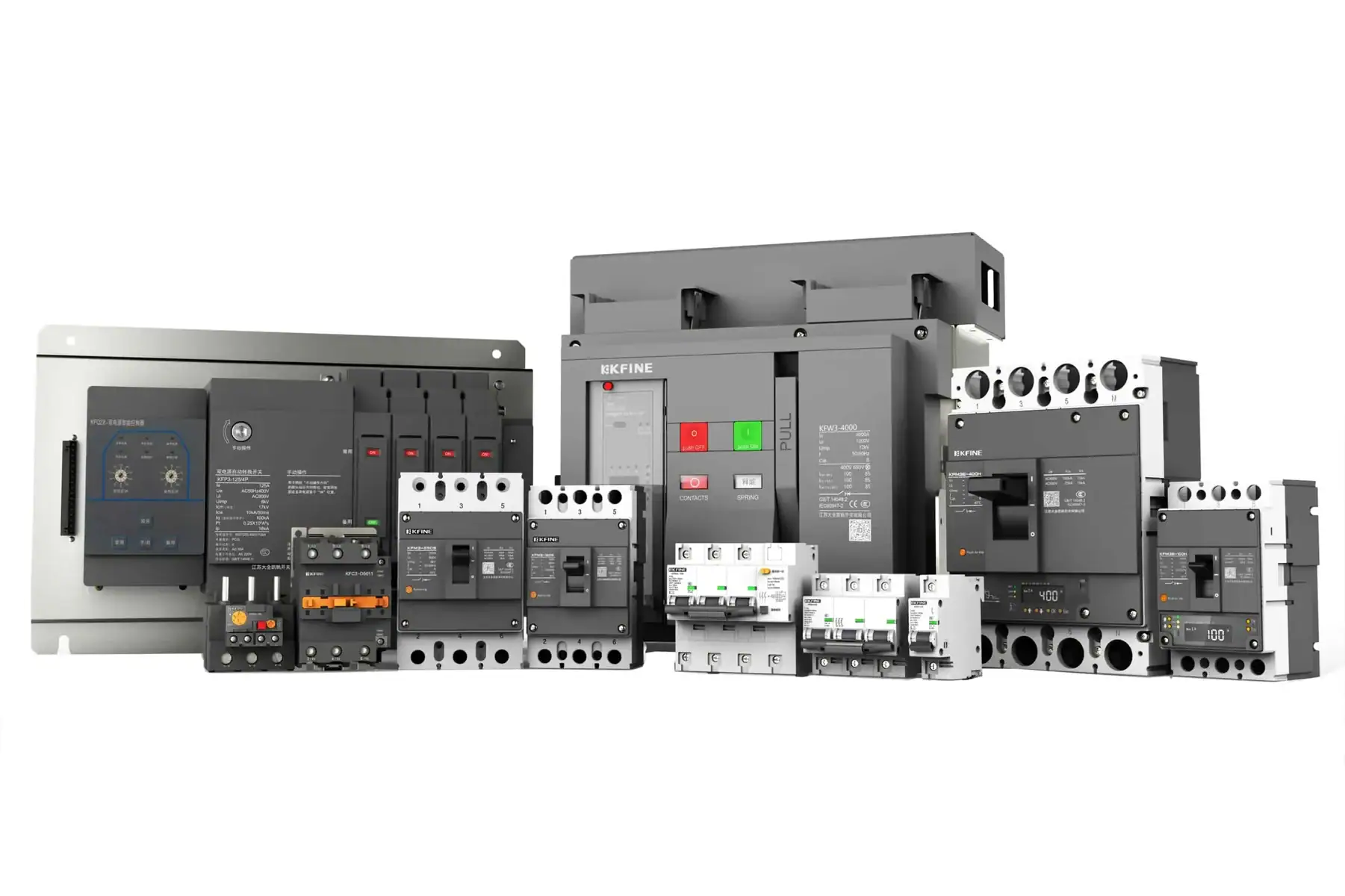
Dans le paysage en constante évolution de l'ingénierie, les technologies innovantes redéfinissent sans cesse le secteur, engendrant des gains d'efficacité et des avancées majeures. Parmi ces innovations révolutionnaires figure le transformateur encapsulé, une merveille d'ingénierie moderne qui s'apprête à transformer les systèmes électriques tels que nous les connaissons. Imaginez un monde où les transformateurs sont non seulement plus durables, mais aussi plus sûrs et plus efficaces. Ce n'est pas un rêve lointain : c'est la réalité que promettent les transformateurs encapsulés. Ces progrès ont des implications considérables, influençant tous les domaines, des infrastructures urbaines aux solutions d'énergies renouvelables.
Au cœur de cette transformation se trouve un engagement à relever certains des défis les plus urgents du secteur. Les transformateurs traditionnels sont souvent confrontés à des problèmes liés à l'exposition aux agressions environnementales, aux exigences de maintenance et aux inefficacités opérationnelles. Les transformateurs encapsulés, grâce à leur conception robuste, sont conçus pour surmonter ces obstacles en offrant une isolation et une protection améliorées contre les facteurs externes. Cette innovation ne se limite pas à une simple amélioration progressive ; il s'agit d'un changement fondamental qui permet aux ingénieurs de concevoir des systèmes plus résilients et durables. Rejoignez-nous pour découvrir les multiples façons dont les transformateurs encapsulés établissent de nouvelles normes d'excellence en ingénierie.

L'évolution des transformateurs en ingénierie
Depuis les débuts de la distribution électrique, les transformateurs ont joué un rôle essentiel dans l'élévation ou l'abaissement des tensions, garantissant ainsi une alimentation électrique sûre et efficace. Les premiers modèles pratiques, développés à la fin du XIXe siècle, reposaient sur de simples ensembles noyau-bobine contenus dans des cuves remplies d'huile. Si ces premiers appareils offraient un fonctionnement fiable, ils étaient néanmoins vulnérables aux fuites, à la contamination et à l'usure inévitable des matériaux isolants. Face à l'explosion de la demande en électricité et à la diversification des applications, les ingénieurs ont recherché de nouvelles solutions pour améliorer la sécurité et la fiabilité sans compromettre les performances.
Voici le transformateur encapsulé : une réinvention moderne qui remédie aux inconvénients de ses prédécesseurs. En enrobant le noyau et l’enroulement dans un matériau diélectrique solide, le transformateur encapsulé élimine le besoin d’isolation liquide, réduisant ainsi les besoins de maintenance et les risques environnementaux. Cette évolution est le fruit de décennies de recherche sur les polymères et les formulations de composés avancés qui conservent leur rigidité diélectrique même dans des conditions extrêmes. Parallèlement, les progrès des techniques de fabrication, tels que le moulage sous vide et les procédés de polymérisation automatisés, ont permis d’obtenir une qualité constante et des performances reproductibles à grande échelle.
Les transformateurs encapsulés actuels représentent bien plus que de simples améliorations progressives ; ils symbolisent une refonte radicale de leur architecture. Les ingénieurs peuvent désormais adapter les matériaux d'encapsulation aux contraintes environnementales spécifiques – températures extrêmes, forte humidité ou atmosphères corrosives – sans avoir à repenser l'ensemble du transformateur. Cette flexibilité a favorisé son adoption dans des secteurs aussi variés que les plateformes pétrolières offshore, les réseaux de transport urbain et les installations de micro-réseaux émergentes. En retraçant l'évolution des transformateurs, il apparaît clairement que le transformateur encapsulé n'est pas une simple évolution, mais un véritable bond en avant.
Avantages des transformateurs encapsulés pour les systèmes électriques

Les transformateurs encapsulés offrent de nombreux avantages par rapport aux transformateurs classiques immergés dans l'huile ou à sec. Parmi ces avantages, le plus important est la sécurité accrue : l'absence d'isolation liquide réduit considérablement les risques de fuites, d'incendies et de contamination environnementale. Le transformateur encapsulé est ainsi un choix idéal pour les installations dans des environnements sensibles tels que les établissements de santé, les écoles et les centres de données, où la fiabilité et la sécurité sont primordiales. De plus, la barrière diélectrique solide qui entoure les enroulements fait office de barrière contre l'humidité, protégeant les composants internes de la corrosion et de la dégradation.
Un autre avantage significatif réside dans la réduction des coûts de maintenance. Les transformateurs traditionnels nécessitent des contrôles d'huile périodiques, une filtration et des réparations en cas de fuites, ce qui engendre des temps d'arrêt et des coûts d'exploitation. À l'inverse, un transformateur encapsulé requiert beaucoup moins d'interventions. Sa conception étanche empêche la pénétration de poussière et d'humidité, tandis que l'encapsulant, chimiquement stable, résiste au vieillissement, prolongeant ainsi les intervalles d'entretien et réduisant le coût total de possession. De plus, l'encombrement réduit et le poids léger de nombreux modèles encapsulés simplifient l'installation, notamment dans le cadre de rénovations ou dans des espaces restreints.
La constance des performances est également améliorée. L'encapsulant homogène assure une conductivité thermique uniforme, ce qui améliore la dissipation de la chaleur et réduit les points chauds. Il en résulte une meilleure régulation de la tension et une capacité de charge plus élevée, à contraintes thermiques égales. Les ingénieurs peuvent ainsi repousser les limites de la densité de puissance en toute confiance, sans compromettre la fiabilité. Enfin, grâce aux propriétés d'amortissement du matériau d'encapsulation, les transformateurs encapsulés présentent souvent des niveaux de bruit audible plus faibles, un atout majeur dans les environnements sensibles au bruit, tels que les quartiers résidentiels ou les immeubles de bureaux.
Amélioration de la durabilité grâce à une conception robuste
L'un des atouts majeurs du transformateur encapsulé réside dans son exceptionnelle durabilité en conditions difficiles. Grâce à l'intégration des enroulements et du noyau dans une matrice polymère robuste, ces transformateurs résistent bien mieux aux chocs mécaniques, aux vibrations et aux variations de température que les modèles conventionnels. Cette conception robuste garantit un fonctionnement fiable dans des environnements exigeants, des sites industriels lourds aux installations extérieures soumises à des conditions climatiques extrêmes.
Le procédé d'encapsulation permet également de remédier aux mécanismes de dégradation à long terme qui affectent les transformateurs traditionnels. L'infiltration d'humidité, l'oxydation de l'isolant et la corrosion du noyau sont efficacement neutralisées lorsque les composants sont scellés dans une barrière étanche à l'humidité. De ce fait, la durée de vie prévue d'un transformateur encapsulé peut dépasser 30 ans avec une dérive de performance minimale, ce qui en fait un investissement judicieux en matière de fiabilité et de durabilité.
De plus, la conception robuste des transformateurs encapsulés simplifie la conformité aux normes industrielles et aux réglementations de sécurité les plus strictes. Dépourvus d'huiles inflammables et dotés d'un corps solide et ignifugé, ces transformateurs atteignent souvent des niveaux de sécurité incendie supérieurs et répondent aux certifications les plus exigeantes. Cette robustesse s'étend au-delà des matériaux : les architectures modulaires permettent un remplacement rapide des sous-ensembles, rationalisent les réparations sur site et minimisent les temps d'arrêt.
Gains d'efficacité dans les systèmes électriques
L'efficacité est au cœur des priorités des réseaux électriques modernes, et les transformateurs encapsulés excellent dans ce domaine. Les matériaux diélectriques de haute qualité utilisés pour l'encapsulation offrent des propriétés isolantes supérieures, réduisant ainsi les pertes diélectriques par rapport aux méthodes d'isolation traditionnelles. Cette isolation optimisée se traduit par des pertes à vide plus faibles et une efficacité énergétique globale améliorée, particulièrement importante pour les systèmes fonctionnant en continu à charge partielle.
De plus, une gestion thermique optimisée autorise une élévation de température admissible plus importante, permettant aux transformateurs de fonctionner plus près de leur capacité maximale sans surchauffe. Il en résulte une meilleure gestion de la charge et une utilisation plus efficace de la capacité installée du transformateur. La conception compacte et la dissipation thermique efficace du transformateur encapsulé contribuent également à réduire les pertes parasites, garantissant ainsi qu'une plus grande partie de la puissance d'entrée soit convertie en puissance de sortie utilisable.
Du point de vue systémique, ces gains d'efficacité permettent aux fournisseurs d'énergie et aux gestionnaires d'installations de réduire leurs coûts d'électricité et leur empreinte carbone. Dans les déploiements à grande échelle – tels que les réseaux intelligents, les fermes d'énergie renouvelable et les complexes industriels – les économies cumulées, même grâce à de faibles améliorations du rendement des transformateurs, peuvent être substantielles. Le transformateur encapsulé apparaît ainsi comme un élément essentiel pour une infrastructure électrique plus verte et plus rentable.
FAQ
1. Qu'est-ce qu'un transformateur encapsulé ?
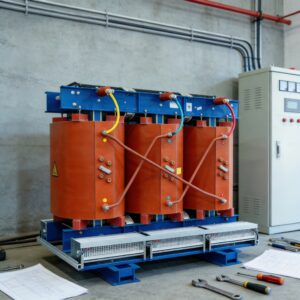
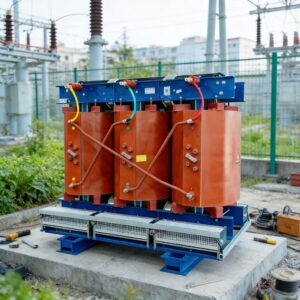
Un transformateur encapsulé est un type de transformateur dont les enroulements et le noyau sont entièrement enfermés (encapsulés) dans des matériaux isolants tels que la résine époxy ou le polyuréthane, les protégeant ainsi de l'humidité, de la poussière et des contaminants.
2. Quels sont les avantages des transformateurs encapsulés ?
- Excellente protection contre l'humidité et les environnements difficiles
- Haute résistance à la poussière, aux produits chimiques et à la corrosion
- Isolation électrique et sécurité améliorées
- Faibles exigences en matière d'entretien
- Conception compacte et durable
3. En quoi un transformateur encapsulé diffère-t-il d'un transformateur sec ?
Un transformateur encapsulé est un sous-type de transformateur sec. Bien que tous les transformateurs encapsulés soient de type sec, tous les transformateurs secs ne sont pas entièrement encapsulés. L'encapsulation offre une protection environnementale supplémentaire par rapport aux modèles classiques refroidis par air.
4. Où les transformateurs encapsulés sont-ils couramment utilisés ?
Ils sont largement utilisés dans les usines industrielles, les installations extérieures, les environnements marins, les systèmes d'énergies renouvelables et les zones à forte humidité ou pollution.
5. Quelles méthodes de refroidissement sont utilisées pour les transformateurs encapsulés ?
Ils sont généralement refroidis par air naturel (AN) ou air pulsé (AF), car l'encapsulation permet toujours la dissipation de la chaleur à travers la surface extérieure.
6. Quels facteurs doivent être pris en compte lors du choix d'un transformateur encapsulé ?
Les facteurs clés à prendre en compte pour garantir des performances fiables et durables sont la capacité nominale, le niveau de tension, la classe d'isolation, les conditions ambiantes, les besoins en refroidissement et l'environnement d'installation.
Conclusion : Embrasser l'avenir de l'ingénierie avec les transformateurs encapsulés
Les transformateurs encapsulés représentent une innovation de pointe dans le domaine électrique, offrant une combinaison performante de sécurité, de durabilité et d'efficacité. Leur conception à diélectrique solide répond aux défis de longue date en matière de maintenance et de résistance aux conditions environnementales, tandis que leurs performances thermiques et acoustiques améliorées les rendent adaptés à une vaste gamme d'applications.
Face à la demande croissante de solutions énergétiques fiables et durables, les ingénieurs et les décideurs devraient considérer le transformateur encapsulé comme une technologie de rupture. En intégrant ces unités de pointe aux systèmes électriques de nouvelle génération, nous atteignons des performances inédites et préparons nos infrastructures aux défis de demain.

 English
 Français
 Español
 Deutsch