
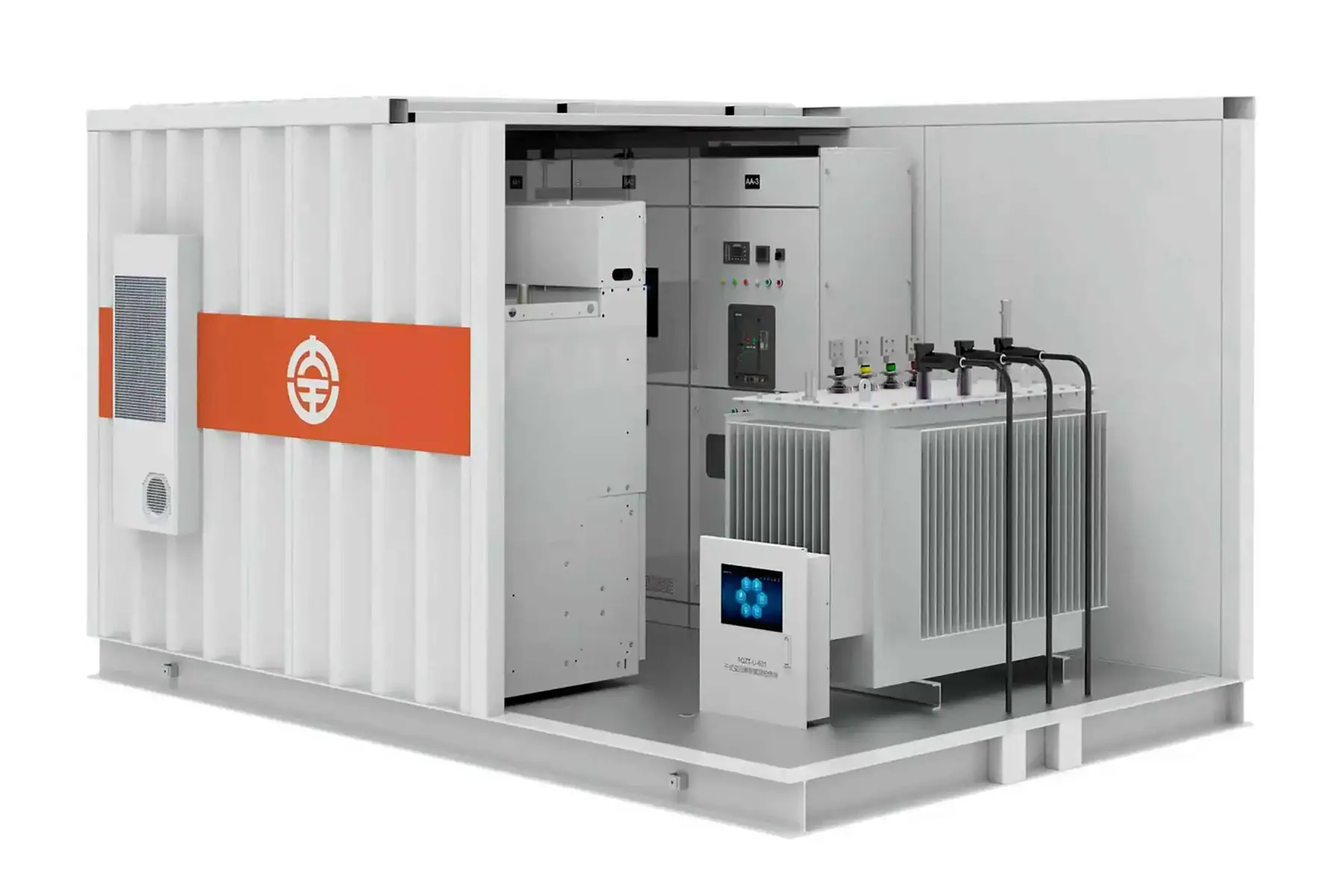
Imaginez un monde où le simple fait d'allumer la lumière pourrait plonger toute votre maison dans le noir. Cela paraît étrange, n'est-ce pas ? Pourtant, ce scénario chaotique serait une réalité sans l'un des héros les plus méconnus de la technologie moderne : le transformateur électrique. Ces appareils puissants sont l'épine dorsale d'une distribution d'énergie efficace, travaillant sans relâche en coulisses pour garantir une alimentation électrique fluide et sûre à nos foyers, nos entreprises et nos industries. Comprendre les subtilités de leur fonctionnement nous permet non seulement de mieux les apprécier, mais aussi de démystifier la complexité de notre confort quotidien.
Les transformateurs électriques ont révolutionné le transport de l'électricité sur de longues distances, permettant d'alimenter aussi bien les petits appareils que des villes entières. Ils convertissent l'électricité à haute tension produite par les centrales électriques en courants à basse tension adaptés aux usages domestiques et industriels, à l'instar d'un traducteur méticuleux qui traduit des langues complexes pour une meilleure compréhension. Cet article vous invite à explorer le monde fascinant des transformateurs électriques, en mettant en lumière leurs rôles essentiels, les défis qu'ils nous aident à relever et les innovations futures qui promettent de transformer notre quotidien grâce à l'électricité. Préparez-vous à un voyage passionnant au cœur de l'une des plus grandes réussites technologiques !

Comment fonctionnent les transformateurs électriques
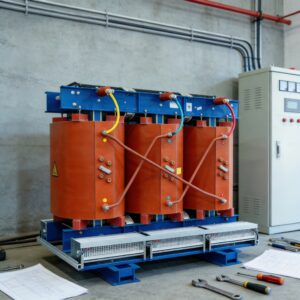
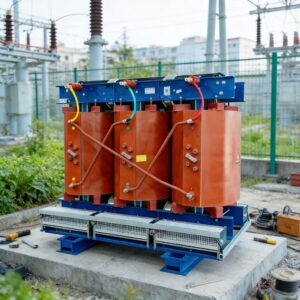
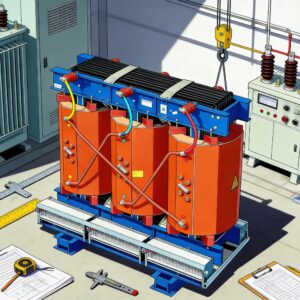
Au cœur de tout transformateur électrique se trouve un principe simple découvert par Michael Faraday : l’induction électromagnétique. Un transformateur électrique est constitué de deux ou plusieurs bobines de fil – appelées enroulements – enroulées autour d’un noyau magnétique commun. Lorsqu’un courant alternatif circule dans l’enroulement primaire, il crée un champ magnétique variable dans le noyau. Ce flux magnétique induit alors une tension dans l’enroulement secondaire. Selon le rapport de spires entre les enroulements primaire et secondaire, le transformateur élève ou abaisse la tension, ce qui en fait un outil indispensable à la distribution d’énergie.
Dans la plupart des transformateurs, le noyau de fer sert à guider et à amplifier le flux magnétique qui traverse les enroulements, assurant ainsi un transfert d'énergie efficace entre les circuits. Les pertes sont minimisées grâce à une conception soignée : le laminage du noyau réduit les courants de Foucault, tandis que les matériaux à haute perméabilité limitent les pertes par hystérésis. Matériaux isolants Les enroulements séparés empêchent les courts-circuits et permettent au transformateur électrique de fonctionner en toute sécurité sous haute tension. Les ingénieurs intègrent également des méthodes de refroidissement, telles que la circulation d'huile ou d'air, pour dissiper la chaleur générée par les pertes par effet Joule (I²R) dans les enroulements et les pertes magnétiques dans le noyau.
Types de transformateurs électriques
Le domaine des transformateurs électriques est vaste et englobe une grande variété de modèles adaptés à des applications spécifiques. Transformateurs de puissance, Les transformateurs de distribution, généralement présents dans les centrales électriques et les sous-stations, supportent des tensions très élevées et des puissances importantes. Ils abaissent la tension sur le réseau afin de fournir un niveau de courant sûr aux habitations et aux entreprises. Les transformateurs de mesure, notamment les transformateurs de courant et de potentiel, assurent des mesures précises et l'isolation des appareils de comptage et de protection des réseaux électriques.
Parmi les autres unités spécialisées, on trouve les autotransformateurs, qui comportent un seul enroulement avec des prises intermédiaires pour ajuster la tension avec moins de cuivre et de fer, ce qui les rend économiques pour les faibles variations de tension. Les transformateurs d'isolement séparent les circuits primaire et secondaire afin d'éliminer le bruit ou les boucles de masse dans les composants électroniques sensibles. Les transformateurs toroïdaux, avec leurs noyaux en forme d'anneau, offrent de faibles interférences électromagnétiques et une taille compacte, idéaux pour les équipements audio et les dispositifs médicaux. Chaque variante illustre le fonctionnement du transformateur électrique. a évolué pour répondre aux divers besoins industriels, exigences commerciales et résidentielles.
Impact des transformateurs électriques sur la société moderne
Sans transformateur électrique, le modèle de production d'électricité centralisée qui sous-tend la civilisation moderne serait tout simplement impossible. Les transformateurs permettent de transporter l'électricité à très haute tension – où les pertes en ligne sont minimales – sur des centaines de kilomètres, puis d'abaisser la tension pour une utilisation locale en toute sécurité. Cette capacité a rendu possible la création de vastes réseaux interconnectés capables d'équilibrer l'offre et la demande entre les régions, améliorant ainsi la fiabilité du réseau et facilitant les économies d'échelle dans la production d'électricité.
Au-delà de la distribution à grande échelle, les transformateurs ont innovation technologique pilotée Dans pratiquement tous les secteurs, les moteurs industriels, les systèmes de télécommunications, les véhicules électriques, les installations d'énergies renouvelables et les appareils électroménagers dépendent tous de la régulation précise de la tension assurée par les transformateurs. Même les communautés rurales isolées en bénéficient, car les transformateurs de distribution portables ou fixes leur apportent une électricité fiable, améliorant ainsi la qualité de vie, facilitant l'accès aux soins de santé et à l'éducation et stimulant le développement économique de zones auparavant mal desservies.
Durabilité et considérations environnementales dans les transformateurs électriques
À mesure que la conscience environnementale se développe, industrie des transformateurs électriques Le secteur de l'énergie est soumis à une forte pression pour réduire son empreinte écologique. Les transformateurs traditionnels à bain d'huile utilisent souvent de l'huile minérale pour le refroidissement et l'isolation, mais les fuites et les déversements présentent des risques de contamination des sols et de l'eau. Pour atténuer ces risques, les fabricants développent des fluides diélectriques biodégradables et moins toxiques, tels que les huiles à base d'esters d'origine végétale. Ces alternatives présentent des points d'éclair plus élevés et une meilleure sécurité incendie, conformément aux réglementations environnementales plus strictes.
L'efficacité énergétique est également devenue un enjeu majeur. En optimisant les matériaux des noyaux, en améliorant la conception des enroulements et en perfectionnant les méthodes de refroidissement, les ingénieurs ont créé des transformateurs à faibles pertes qui réduisent la chaleur résiduelle et les coûts d'exploitation. Les technologies de transformateurs intelligents, équipés de capteurs et de systèmes de surveillance à distance, permettent une maintenance prédictive, minimisant les temps d'arrêt et prolongeant la durée de vie des équipements. Enfin, les initiatives de recyclage en fin de vie permettent de récupérer les enroulements en cuivre et les noyaux en acier, bouclant ainsi la boucle de l'utilisation des ressources et favorisant une économie circulaire pour les composants des infrastructures électriques.
Conclusion : L’héritage durable des transformateurs électriques
De l'avènement de l'électrification à grande échelle à l'alimentation des réseaux intelligents de demain, le transformateur électrique demeure l'une des inventions technologiques les plus révolutionnaires. Sa capacité d'adaptation – grâce à des innovations de conception, des améliorations des matériaux et l'intégration numérique – lui assure de continuer à jouer un rôle essentiel pour répondre aux besoins énergétiques mondiaux en constante évolution.
Alors que nous nous tournons vers un avenir fondé sur les énergies renouvelables, la mobilité électrique et des infrastructures à haute efficacité énergétique, le modeste transformateur électrique est prêt à accompagner les innovations à venir. Son héritage durable nous rappelle que les progrès les plus marquants se font parfois discrètement, garantissant ainsi le bon fonctionnement de la vie moderne.

 English
 Français
 Español
 Deutsch