
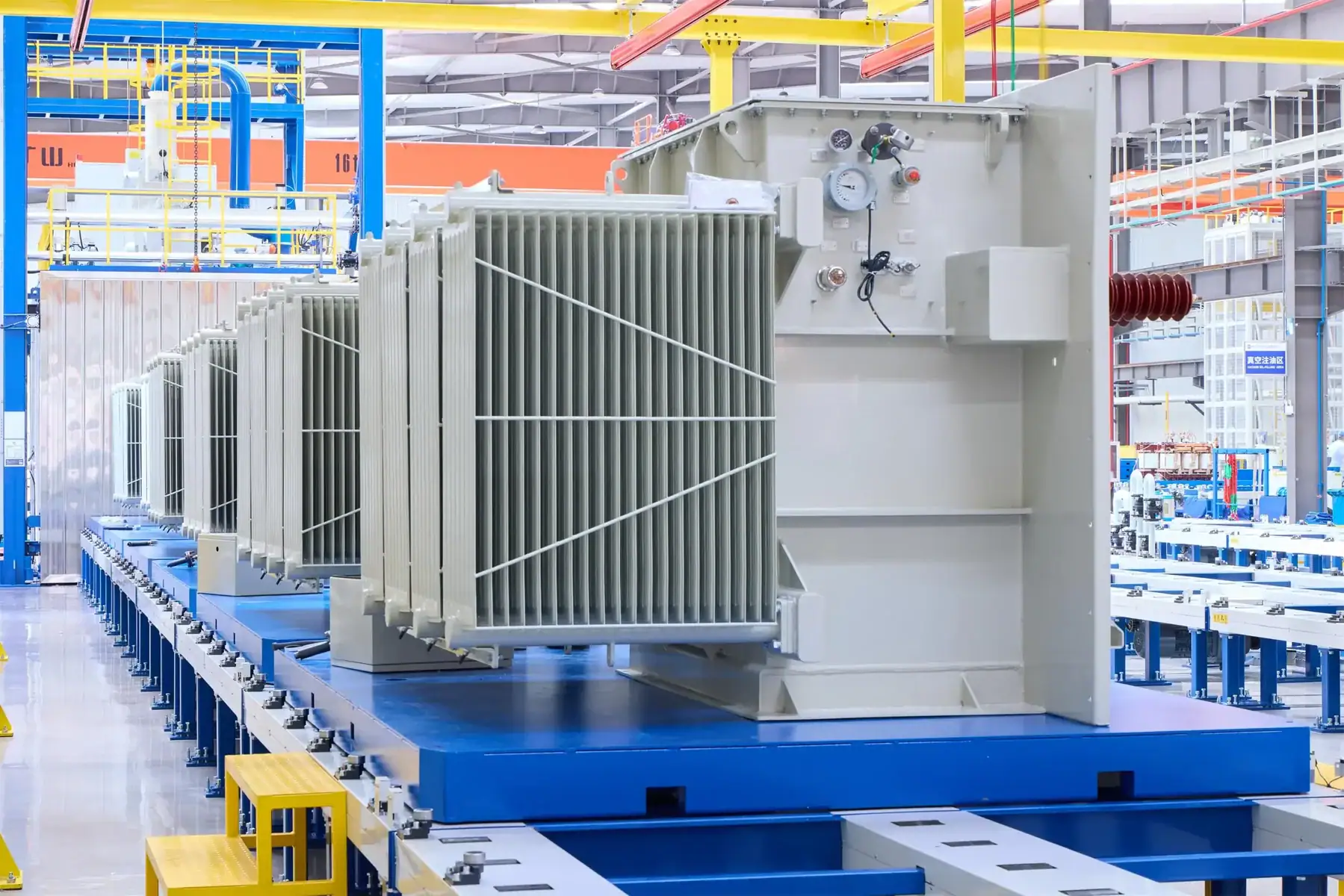
À l'heure où l'efficacité énergétique et le développement durable ne sont plus de vains mots, la demande d'innovations dans les infrastructures électriques explose. Imaginez un monde où les réseaux de distribution d'électricité sont non seulement plus robustes, mais aussi plus durables, réduisant ainsi la fréquence des remplacements et des réparations. C'est la promesse du transformateur à bain d'huile, une technologie sur le point de révolutionner l'efficacité et la longévité des réseaux électriques. Alors que les industries et les collectivités du monde entier sont confrontées aux défis de la consommation d'énergie et de l'impact environnemental, l'adoption de solutions de pointe comme celle-ci pourrait marquer un tournant décisif.
Le secret réside dans les propriétés transformatrices du refroidissement liquide. Contrairement aux transformateurs secs, les transformateurs à bain d'huile utilisent des fluides spécifiques pour dissiper la chaleur plus efficacement, améliorant ainsi la fiabilité et les performances. Ceci prolonge non seulement la durée de vie de ces composants essentiels, mais minimise également le gaspillage d'énergie. réseaux électriques Face à une pression et une demande croissantes, l'adoption de ces technologies de pointe devient non seulement bénéfique, mais essentielle. Plongez au cœur de cette exploration et découvrez comment les transformateurs à bain d'huile redéfinissent les normes des systèmes électriques, nous ouvrant la voie à un avenir plus durable.

L'évolution de la technologie des transformateurs
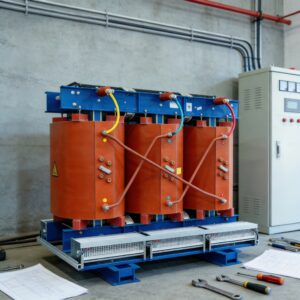
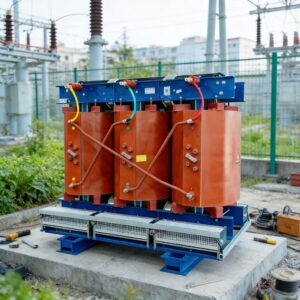
Le transformateur est au cœur de la distribution d'énergie électrique depuis plus d'un siècle, et a évolué grâce à de multiples innovations pour répondre à la demande énergétique croissante. Les premiers modèles utilisaient l'huile minérale comme fluide caloporteur, tirant parti de ses propriétés isolantes et de transfert thermique. Au fil du temps, transformateurs à sec Des systèmes utilisant des isolateurs à air et solides ont vu le jour afin de réduire les risques d'incendie et les impacts environnementaux. Cependant, ces systèmes à sec se sont souvent révélés insuffisants en termes d'efficacité de refroidissement, notamment en cas de fortes charges ou dans les régions à températures ambiantes élevées.
L'apparition du transformateur moderne à bain d'huile a marqué un progrès considérable. En immergeant les enroulements et les noyaux dans des fluides isolants spécialement formulés – qu'il s'agisse d'huile minérale traditionnelle ou d'esters synthétiques de pointe – les ingénieurs ont obtenu une dissipation thermique et des performances diélectriques supérieures. Cette transition a permis aux transformateurs de gérer des densités de puissance plus élevées, Ils fonctionnent à des températures élevées et offrent une fiabilité accrue. Les transformateurs à bain d'huile actuels représentent la convergence de la science des matériaux, de la modélisation thermique et du respect de l'environnement, fruit de décennies d'améliorations successives visant à optimiser à la fois les performances et la durabilité des réseaux électriques mondiaux.
Capacités de refroidissement améliorées grâce à l'immersion dans un liquide
Une dissipation thermique efficace est essentielle au maintien en bon état des transformateurs et à la prévention des défaillances prématurées. Le refroidissement par immersion liquide répond à ce besoin en entourant les composants internes critiques d'un fluide diélectrique qui absorbe la chaleur lors des fluctuations de charge électrique. Le fluide circule ensuite, soit naturellement par convection, soit par des pompes mécaniques, évacuant l'énergie thermique du noyau et des enroulements. Cet échange continu maintient les températures dans des limites acceptables, même en cas de forte charge ou de variations importantes.
Différents fluides caloporteurs, tels que l'huile minérale, les esters synthétiques et les esters naturels biodégradables, offrent des conductivités thermiques, des points d'éclair et des profils environnementaux variés. L'huile minérale reste largement utilisée en raison de son bon rapport coût-performance. Cependant, les esters naturels gagnent en popularité grâce à leur biodégradabilité et à leurs points d'éclair plus élevés, ce qui réduit les risques environnementaux et les problèmes de sécurité. Quel que soit le fluide choisi, un transformateur à bain d'huile bien conçu tire parti des propriétés du fluide caloporteur pour maintenir un rendement optimal, prolonger la durée de vie de l'isolation et réduire la fréquence des arrêts imprévus dans les réseaux électriques critiques.
Amélioration de l'efficacité et économies d'énergie
L'un des avantages les plus convaincants d'un transformateur à bain d'huile est sa capacité à minimiser les pertes d'énergie. Les transformateurs traditionnels subissent des pertes dans le noyau (hystérésis et courants de Foucault) et des pertes dans les enroulements (pertes I²R) qui se manifestent sous forme de chaleur. En utilisant un refroidissement liquide, chaleur générée à l'intérieur du transformateur Le liquide est rapidement évacué, évitant ainsi la formation de points chauds susceptibles de dégrader l'isolation et d'entraîner une réduction de la puissance. De ce fait, les unités à remplissage liquide peuvent fonctionner plus longtemps à pleine charge sans compromettre leur fiabilité.
Des températures de fonctionnement plus basses se traduisent directement par une résistance électrique réduite et des performances magnétiques améliorées, optimisant ainsi le rendement global du transformateur. De plus, un rendement supérieur signifie moins de gaspillage d'énergie, un facteur essentiel compte tenu des efforts mondiaux déployés pour limiter les émissions de gaz à effet de serre. Les entreprises de services publics et les opérateurs industriels qui passer à des transformateurs à bain d'huile On constate souvent des réductions mesurables des pertes électriques, ce qui se traduit par des économies sur les factures d'énergie et une amélioration des indicateurs de durabilité. Sur les marchés réglementés, le respect de normes d'efficacité rigoureuses telles que le niveau 3 du DOE ou l'écoconception de l'UE souligne encore davantage l'importance des solutions à refroidissement liquide haute performance dans les réseaux électriques modernes.
Durabilité et longévité : les atouts des transformateurs à liquide
La longévité est un critère essentiel pour tout investissement important, et les transformateurs à bain d'huile excellent dans ce domaine. Le refroidissement continu assuré par l'immersion dans un fluide diélectrique préserve l'intégrité des systèmes d'isolation et des conducteurs d'enroulement. En maintenant des températures de fonctionnement stables et en atténuant les contraintes liées aux cycles thermiques, ces transformateurs présentent un vieillissement nettement plus lent que leurs homologues à bain d'huile.
De plus, de nombreux transformateurs à bain d'huile intègrent des technologies de surveillance en ligne, telles que l'analyse des gaz dissous (AGD), des capteurs de température et des détecteurs d'humidité, afin de contrôler l'état du fluide et des composants internes. Cette approche proactive permet une maintenance prédictive, permettant aux opérateurs de résoudre les problèmes avant qu'ils ne dégénèrent en pannes coûteuses. L'alliance d'un refroidissement performant et de diagnostics avancés garantit un fonctionnement fiable pendant des décennies, réduisant ainsi les coûts du cycle de vie et l'impact environnemental liés aux remplacements fréquents.
Applications dans diverses industries
Les transformateurs à bain d'huile sont largement utilisés dans de nombreux secteurs grâce à leurs performances supérieures et à leur polyvalence. Dans les réseaux de production et de transport d'électricité, ils jouent un rôle essentiel dans l'élévation et l'abaissement des tensions, permettant ainsi le transport d'électricité sur de longues distances avec des pertes minimales. Leur capacité à gérer des charges élevées et des conditions climatiques extrêmes en fait un élément incontournable des sous-stations et des interconnexions de réseau.
Les installations industrielles, notamment les usines et les complexes pétrochimiques, dépendent des transformateurs à bain d'huile pour une alimentation électrique stable et de haute qualité, indispensable au fonctionnement des machines lourdes et des processus critiques. Les centres de données, qui exigent une alimentation électrique ininterrompue et une régulation précise de la tension, bénéficient du refroidissement amélioré et de la fiabilité accrue des transformateurs à bain d'huile. Par ailleurs, les applications émergentes, telles que l'intégration des énergies renouvelables (parcs éoliens et centrales solaires) et les bornes de recharge pour véhicules électriques, tirent parti de la technologie des transformateurs à bain d'huile pour garantir la stabilité de la production décentralisée et des systèmes de recharge en courant continu haute puissance.
Embrasser l'avenir : le rôle croissant des transformateurs à liquide
Avec l'évolution des systèmes énergétiques mondiaux vers la décarbonation, l'électrification et la numérisation, le rôle des transformateurs à bain d'huile est appelé à se développer. Les initiatives de réseaux intelligents et le déploiement de micro-réseaux exigent des composants flexibles et résilients, capables de réagir rapidement et de supporter des cycles de charge élevés. Grâce à leur forte inertie thermique et à leur refroidissement efficace, les transformateurs à bain d'huile répondent parfaitement à ces exigences dynamiques.
L'innovation se poursuit grâce aux progrès réalisés dans le domaine des fluides diélectriques écologiques, des matériaux d'isolation avancés et des réseaux de capteurs intégrés permettant une analyse des performances en temps réel. Ces tendances contribueront à réduire davantage l'impact environnemental et les coûts d'exploitation des infrastructures électriques. En adoptant dès aujourd'hui la technologie des transformateurs à bain d'huile, les entreprises de services publics et les industries peuvent se positionner à l'avant-garde d'un avenir électrique plus efficace, durable et fiable.

 English
 Français
 Español
 Deutsch