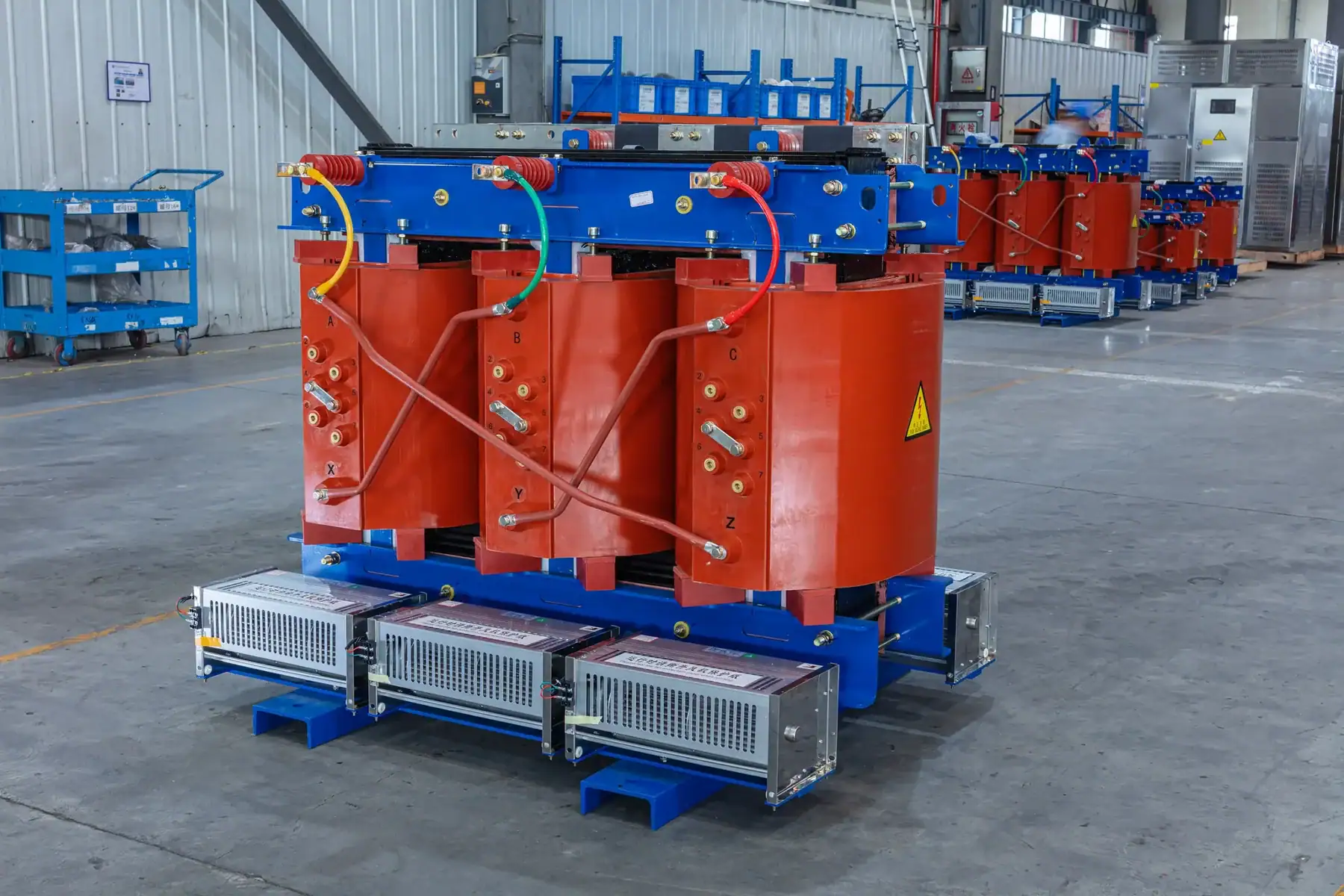
Understanding how heat is generated and managed in dry-type transformers is crucial for ensuring their longevity and efficient operation. In this article, we will delve into the fundamentals of heat output in dry-type transformers, discuss key factors affecting their thermal performance, and explore effective cooling strategies.

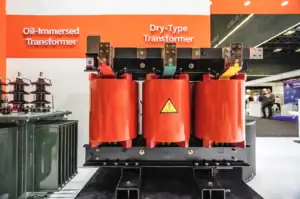
Before we dive into the heat dynamics, let’s briefly understand what dry-type transformers are. Unlike oil-filled transformers, dry-type transformers use air as their cooling medium. This makes them ideal for indoor installations and environments where fire safety is a concern. Their design minimizes the risk of fluid leaks, enhancing their reliability and safety.
Heat Generation in Transformers
Transformers, regardless of their type, generate heat during operation. This heat results from electrical losses, primarily occurring in the transformer’s windings and core. Here’s a closer look at these heat-generating components:
Core Losses
The core of a transformer is made from laminated steel sheets. As alternating current flows through the transformer, it causes the core to magnetize and demagnetize repeatedly, generating heat. This is known as core loss or iron loss.
Copper Losses
The windings of a transformer, typically made of copper, also generate heat due to the electrical resistance encountered by the flowing current. This is referred to as copper loss or I²R loss, where “I” stands for current and “R” for resistance.
Factors Affecting Heat Output
Several factors can influence the heat output of dry-type transformers. Understanding these factors is essential for optimizing transformer performance and ensuring safe operation.
Load Conditions
The load on a transformer directly affects its heat output. Higher loads result in increased current flow, leading to greater copper losses and, consequently, more heat generation. It’s crucial to ensure that transformers are not overloaded to prevent excessive heat buildup.
Ambient Temperature
The surrounding temperature plays a significant role in determining a transformer’s heat output. Higher ambient temperatures can reduce the transformer’s ability to dissipate heat, potentially leading to overheating. Proper ventilation and climate control in transformer rooms can mitigate this risk.
Managing Heat Output

Efficient cooling is essential for managing heat output in dry-type transformers. Here are some strategies and technologies that can enhance transformer cooling efficiency:
Natural Air Cooling
Dry-type transformers are designed with a natural ventilation system that allows air to circulate through the windings and core. This natural air cooling method is effective for dissipating heat in small to medium-sized transformers.
Forced Air Cooling
In larger transformers or high-load situations, forced air cooling may be employed. This involves using fans or blowers to increase air circulation, effectively removing excess heat and maintaining optimal operating temperatures.
Cast Resin Transformers
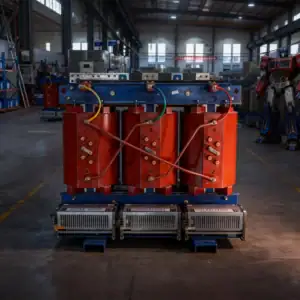
Cast resin transformers encapsulate the windings in epoxy resin, enhancing their heat dissipation properties. This design improves thermal performance and reduces the risk of moisture ingress, making them ideal for challenging environments.
Transformer Temperature Rise
Temperature rise is a critical parameter in assessing a transformer’s thermal performance. It represents the increase in temperature above the ambient level when the transformer is operating at full load. Monitoring and controlling temperature rise is essential for preventing overheating and extending the transformer’s lifespan.
Thermal Performance of Transformers
The thermal performance of a transformer is determined by its ability to dissipate heat efficiently. Factors such as the design of the cooling system, the quality of materials used, and proper installation practices all contribute to optimal thermal performance.
Heat Dissipation Techniques

Effective heat dissipation is vital for maintaining transformer reliability. Here are some techniques used to enhance heat dissipation in dry-type transformers:
Finned Radiators
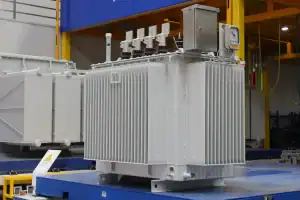
Finned radiators increase the surface area available for heat dissipation. These radiators are strategically placed around the transformer to enhance natural or forced air cooling.
Heat Sinks
Heat sinks are often employed in electronic components of transformers to draw heat away from sensitive areas. By providing a path for heat to escape, heat sinks help maintain safe operating temperatures.
Conclusion
Understanding heat output in dry-type transformers is crucial for their efficient operation and longevity. By recognizing the factors influencing heat generation, implementing effective cooling strategies, and monitoring temperature rise, you can ensure the optimal performance of your transformers. Whether it’s through natural or forced air cooling, cast resin technology, or enhanced heat dissipation techniques, managing transformer heat output is essential for their safe and reliable operation.
Incorporating these practices will not only enhance the thermal performance of your transformers but also contribute to the overall efficiency and safety of your electrical systems.