
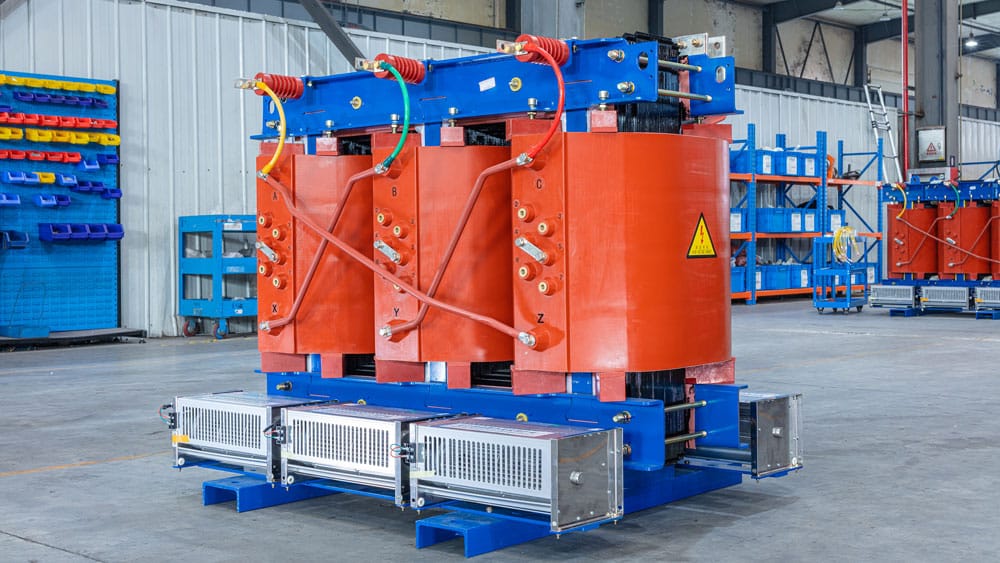
Imagine a world where power flows seamlessly, driving industries forward without interruption or loss. This vision is closer to reality than you might think, thanks to groundbreaking innovations in industrial electrical transformer technology. These silent yet powerful workhorses of the electrical grid are evolving rapidly, adapting to meet the demands of our ever-expanding industrial landscapes. But what does this evolution look like, and how is it reshaping the very foundation of industrial power distribution?
In recent years, advancements in industrial electrical transformer design and technology have unlocked new potentials, enhancing efficiency, reliability, and sustainability. From cutting-edge materials that reduce wastage to smart transformers equipped with sensors for predictive maintenance, the latest innovations promise not just enhanced performance but also a reduced environmental footprint. By exploring these transformations in detail, we can gain a clearer understanding of how they will power the industries of tomorrow, potentially transforming challenges into opportunities for growth and sustainability.
Advancements in Transformer Design
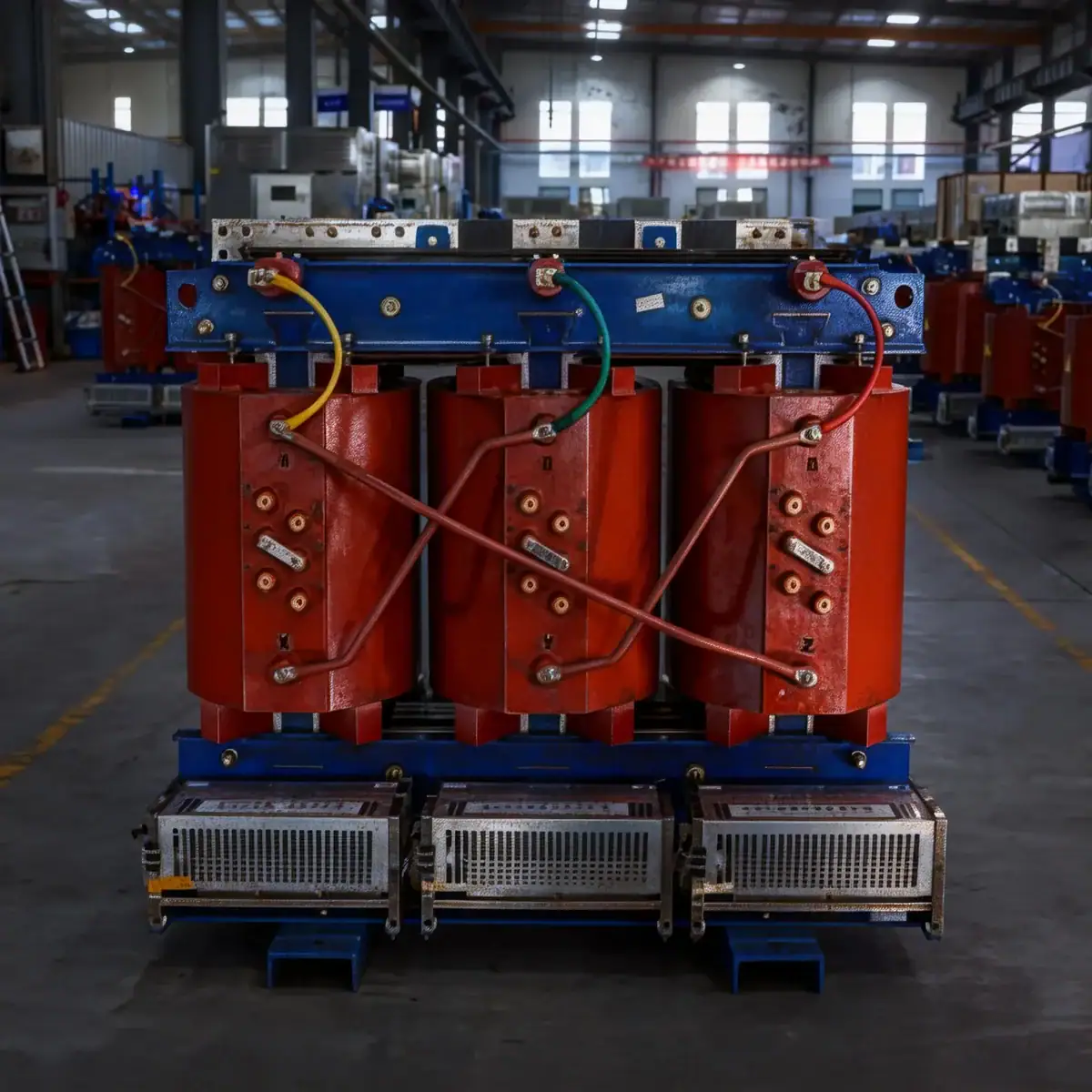
The landscape of industrial electrical transformer design has witnessed remarkable evolution, driven by the need to handle higher voltages, increased load variability, and tighter space constraints. Traditional core-and-coil configurations are giving way to compact, modular designs that maximize energy transfer while minimizing losses. One key development is the shift toward amorphous metal cores, which reduce hysteresis losses by up to 70 percent compared to conventional silicon steel. This leap in magnetic performance translates directly to lower operating costs and improved thermal management, particularly in heavy-duty environments like steel mills and petrochemical plants.
Modern design methodologies also emphasize scalability and flexibility. Manufacturers are now offering transformer platforms that allow operators to choose interchangeable submodules—such as tap changers, cooling systems, and protection relays—tailored to specific site requirements. These standardized modules simplify maintenance schedules, streamline spare parts inventory, and shorten downtime during overhauls. Additionally, advanced computer-aided design (CAD) tools and finite-element analysis (FEA) simulations enable precise modeling of electromagnetic fields, leading to optimized winding arrangements and insulation systems. The result is an industrial electrical transformer that not only meets current performance demands but is also future-proofed for upgrades in capacity, monitoring capabilities, or environmental compliance.
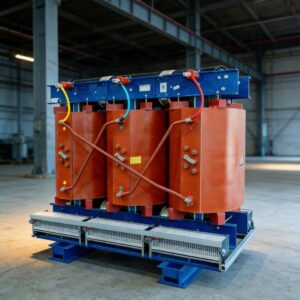
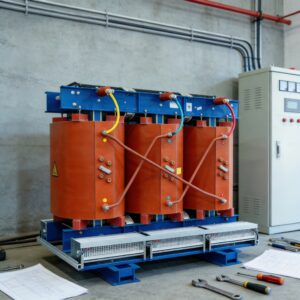
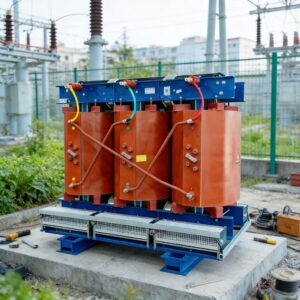
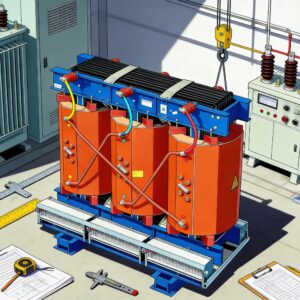
Another noteworthy trend is the integration of dry-type and cast-resin technologies for indoor applications. These designs eliminate fire risks associated with oil-filled transformers while offering comparable efficiency and longevity. Coupled with innovative thermal management—such as forced-air cooling and heat pipe systems—these transformers can deliver consistent performance even under peak loads. As industries strive for safer, more resilient power distribution, these design advancements are setting a new benchmark for reliability and operational safety.
Impact of Cutting-Edge Materials on Efficiency
Material science breakthroughs are playing a pivotal role in boosting the efficiency of industrial electrical transformer units. High-permeability alloys, nano-crystalline cores, and advanced insulation compounds are collectively redefining the thermal and electrical characteristics of next-generation transformers. Nano-crystalline materials, in particular, offer superior saturation flux density and lower core losses at a fraction of the thickness of traditional metals, allowing designers to achieve lighter, smaller cores without sacrificing performance.
On the winding side, conductors made of high-purity copper and aluminum alloys are now coated with specialized varnishes to enhance corrosion resistance and dielectric strength. These coatings ensure consistent insulation even in moisture-laden or chemically aggressive environments. Meanwhile, encapsulation materials—such as thermally conductive polymers—facilitate efficient heat dissipation, reducing hot-spot temperatures and extending the life expectancy of both windings and insulators. Overall, the strategic use of cutting-edge materials translates to up to 2–3 percent higher energy conversion efficiency, which may seem modest but can produce substantial cost savings when scaled across large industrial facilities.
Enhancing Reliability Through Technological Innovations
Reliability is paramount in industrial settings, where transformer downtime can halt production lines and incur significant financial losses. Modern industrial electrical transformer solutions leverage a suite of technological innovations to anticipate faults, minimize maintenance, and extend service intervals. At the forefront of these advancements are integrated monitoring systems that continuously collect data on temperature, vibration, partial discharge, and oil quality (for liquid-filled units).
Smart sensors embedded within the transformer feed real-time diagnostics to centralized control platforms, enabling predictive maintenance strategies rather than reactive fixes. Machine learning algorithms analyze historical and live data streams to detect anomalies—such as winding deformation or insulation breakdown—well before they escalate into critical failures. This proactive stance not only reduces unplanned outages but also optimizes maintenance schedules, ensuring that parts are replaced or overhauled only when truly necessary. Furthermore, fiber-optic temperature sensors and acoustic emission detectors now offer sub-second response times, allowing operators to quickly isolate and address hot spots without compromising the transformer’s overall operation.
Sustainability in Industrial Electrical Transformer Solutions
Environmental stewardship is increasingly influencing the design and selection of industrial electrical transformer equipment. As global regulations tighten around greenhouse gas emissions and hazardous waste disposal, manufacturers are innovating to align performance goals with sustainability targets. One major shift has been the adoption of biodegradable and non-toxic insulating fluids, such as natural esters derived from vegetable oils. These fluids boast high flash points, excellent dielectric strength, and lower environmental impact in case of leaks or spills.
Additionally, the lifecycle assessment of transformer materials—from raw material extraction to end-of-life recycling—has become a central consideration. Manufacturers are designing components for easier disassembly, facilitating the reclamation of copper, steel, and insulation materials. Recycled core laminations and low-impact manufacturing processes, including renewable energy–powered production lines, further reduce the carbon footprint of transformer units. In tandem, advances in energy efficiency and reduced losses alleviate the overall energy demand of industrial facilities, contributing to broader sustainability commitments and cost savings over the long term.
The Role of Digitalization in Transformer Performance
Digital transformation is reshaping the landscape of industrial electrical transformer management, driving smarter, more connected power infrastructure. Cloud-based platforms now aggregate performance data from transformer fleets across multiple sites, offering operators a holistic view of their assets. Key performance indicators—such as load profiles, loss trends, and thermal behavior—are visualized through intuitive dashboards, simplifying decision-making and resource allocation.
Beyond monitoring, digital twins are emerging as powerful tools for simulating transformer behavior under varying conditions. By creating virtual replicas of physical units, engineers can test the impact of load changes, fault scenarios, and maintenance interventions without risking real-world downtime. This capability accelerates innovation cycles and improves operational resilience. Furthermore, blockchain technology is being piloted to secure transactional records—like maintenance logs and compliance certificates—ensuring tamper-proof traceability across the transformer’s entire lifespan.
Harnessing Transformer Innovations for Industry Growth
Industrial growth hinges on reliable, efficient power distribution, and the latest transformer innovations are unlocking new avenues for expansion. By deploying high-efficiency, low-loss transformer models, companies can reduce energy bills and reinvest those savings into research, development, and capital projects. In heavy industries—such as mining, manufacturing, and chemical processing—transformer upgrades can translate into higher throughput, improved uptime, and greater competitiveness in global markets.
Moreover, the integration of smart transformer networks facilitates demand-side management, allowing operators to shift loads during peak tariff periods or integrate renewable energy sources seamlessly. Microgrid applications—powered by advanced transformers—enable remote or off-grid facilities to maintain continuous operations, opening doors to resource extraction and processing in previously inaccessible regions. Through collaborative partnerships with technology providers, industrial players can co-develop tailored transformer solutions that address unique site challenges, from extreme temperatures to corrosive atmospheres. Ultimately, these innovations serve as catalysts for sustainable growth, helping industries meet rising energy demands while adhering to environmental and regulatory standards.
Conclusion: Transforming Challenges into Opportunities
As industrial landscapes evolve, the transformer at the heart of power distribution must keep pace with growing demands for efficiency, reliability, and sustainability. The latest advancements—from material innovations to digitalization—are converging to redefine what an industrial electrical transformer can achieve.
By embracing these technologies, industries stand to unlock new levels of performance, reduce operational costs, and meet ambitious environmental goals. In this way, the transformer’s evolution transforms traditional power challenges into strategic opportunities for growth and resilience.

 English
 Français
 Español
 Deutsch