
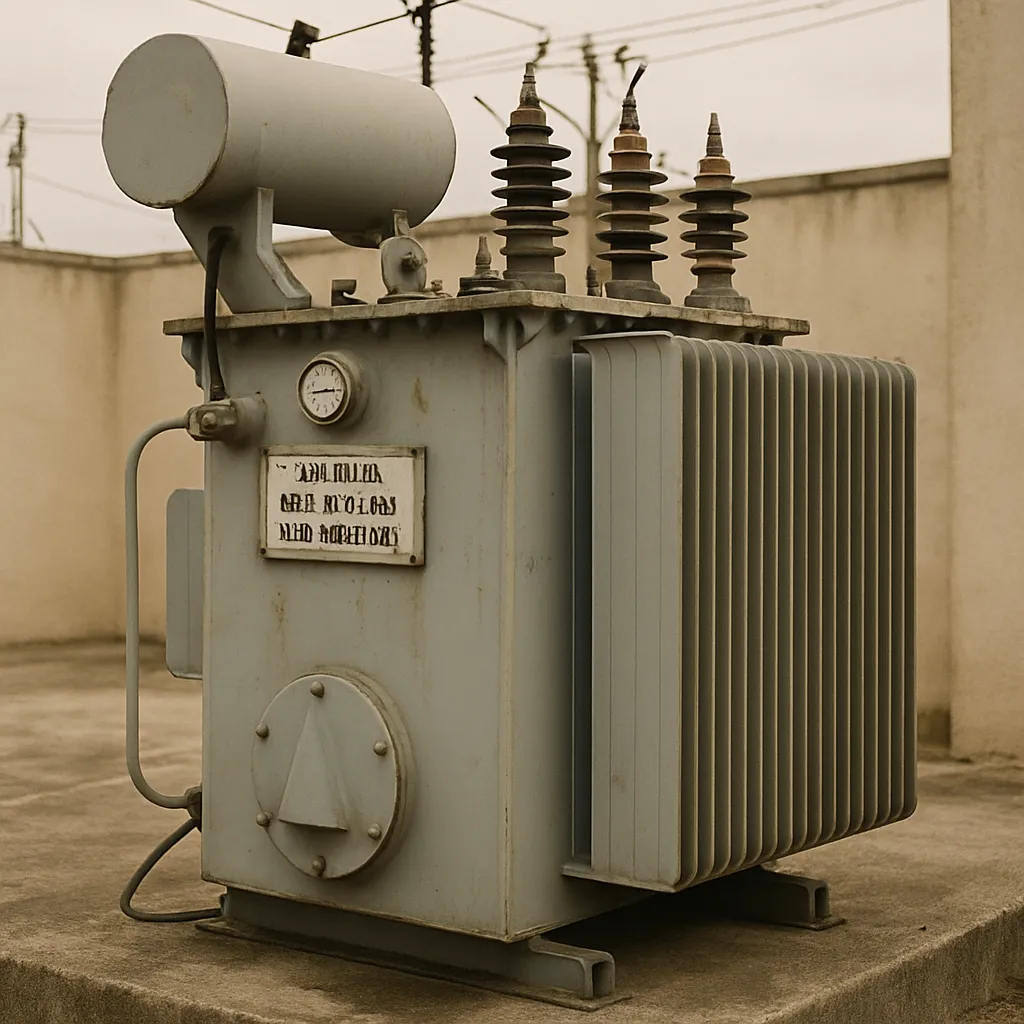
Imagine a world where the heart of our electrical systems beats strong and steady, delivering energy seamlessly across cities, industries, and homes without a whisper of overheating or mechanical strain. At the center of this power network lies a technological marvel: the oil filled self cooled transformer. This unsung hero silently shoulders its duties, ensuring that power flows effortlessly and maintains the lifeline of modern civilization. But what truly makes these transformers tick? What secrets lie within the robust design that allows them to perform so reliably?
In today’s exploration, we delve deep into the inner workings of oil filled self cooled transformers, uncovering the intricate processes that make them indispensable to our energy infrastructure. From the soothing oil that cools and insulates to the simple yet effective self-cooling mechanism, each component plays a crucial role in the transformer’s performance and longevity. Join us as we unveil the fascinating details of these essential power players, highlighting why they are considered the heartbeat of modern power systems. Prepare to be enlightened not only about the components and functionality but also the implications these devices have on our everyday lives.
The Evolution of Oil Filled Self Cooled Transformers
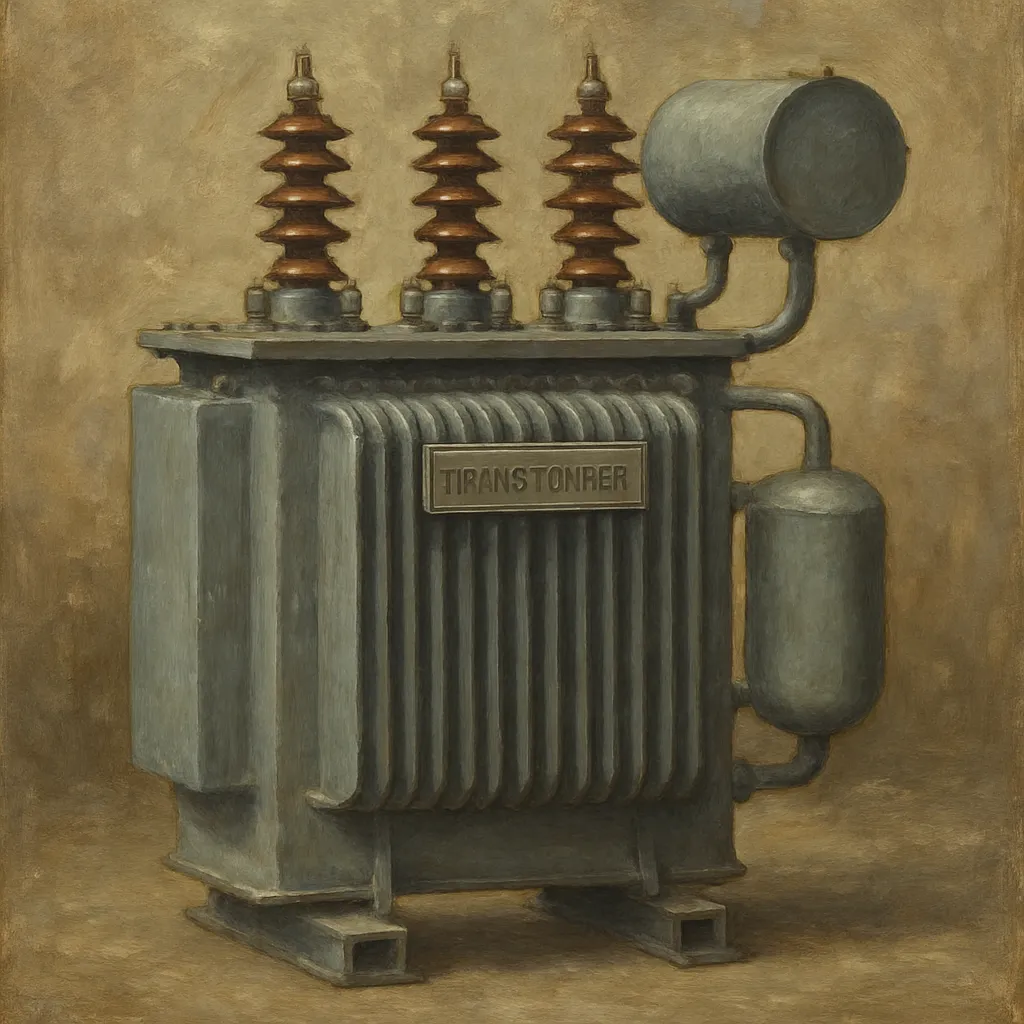
The concept of energy transformation dates back to the late 19th century, when pioneers like Michael Faraday and Nikola Tesla laid the groundwork for electromagnetic induction and alternating current systems. Early transformers were simple air-cooled units that struggled with overheating and limited capacity. As demand for reliable electric power surged during the Industrial Revolution and into the 20th century, engineers sought ways to enhance thermal management. The advent of the insulating oil-filled design marked a turning point. By immersing windings and cores in a dielectric fluid, heat generated during operation could be transferred more efficiently from hot spots to the outer vessel.
Throughout the 1920s and ’30s, incremental improvements in oil quality, tank design, and winding insulation allowed the oil filled self cooled transformer to handle higher voltages and larger power ratings. Innovations such as corrugated radiators, cooling fins, and conservator tanks provided passive cooling without auxiliary fans or pumps. These self-cooling enhancements extended transformer lifespan and reduced maintenance. By mid-century, the oil filled self cooled transformer had become the industry standard for distribution and substation applications. Today’s modern units incorporate advanced dielectric oils, computer modeling for thermal dynamics, and sophisticated monitoring systems, but the fundamental principle—combining oil’s insulating properties with natural convection—remains as vital as ever.
The Role of Insulating Oil in Transformer Performance
Insulating oil serves a dual purpose in oil filled self cooled transformers: it both cools and electrically insulates critical components. High-quality mineral or synthetic oils have excellent dielectric strength, preventing arcing between windings and core elements. As the transformer operates, electrical losses in the windings generate heat. The oil absorbs that heat and transfers it outward to the tank walls or external radiators via natural convection currents. This continuous oil circulation removes hotspots and maintains uniform temperature distribution throughout the unit.
Key factors influencing transformer performance include oil purity, viscosity, and thermal conductivity. Contaminants like moisture, dissolved gases, or particulate matter degrade dielectric properties and accelerate aging of insulation materials. Regular oil testing for breakdown voltage, acidity, and moisture content is essential to ensure reliable operation. Modern developments have introduced biodegradable esters and silicone-based fluids that improve fire safety and environmental compliance, while retaining or exceeding the cooling and insulating characteristics of traditional mineral oil.
Exploring the Self-Cooling Mechanism in Transformers
Self-cooling, also known as natural or ONAN (Oil Natural Air Natural) cooling, relies on the natural circulation of oil and air to remove heat from the transformer’s interior. As the oil heats up near the windings and core, its density decreases, causing it to rise toward the top of the tank. Cooler oil at the tank’s periphery descends by gravity to replace the heated fluid. This continuous convection cycle effectively transfers thermal energy from the core to the tank walls, which then dissipate heat to the surrounding air.
The simplicity of self-cooling systems offers significant advantages: no external power source is needed for fans or pumps, reducing operational costs and points of failure. However, the efficiency of natural cooling depends on transformer size, ambient temperature, and radiator surface area. Engineers carefully design the tank geometry, oil pathways, and cooling fins to optimize flow and maximize heat rejection under varying load conditions.
Efficiency and Reliability Factors in Oil Filled Self Cooled Transformers
Efficiency in an oil filled self cooled transformer hinges on minimizing core and winding losses while ensuring effective heat rejection. High-grade electrical steel with low hysteresis loss and copper or aluminum conductors with precise winding techniques reduce energy dissipation. The thermal performance of the insulating oil and quality of tank surface treatments directly impact the rate at which heat is expelled. Proper design results in lower operating temperatures, which correlate with reduced insulation aging and longer service life.
Reliability is equally paramount. Monitoring systems that track oil temperature, dissolved gas levels, and moisture content provide early warnings of potential faults. Pressure relief devices, Buchholz relays, and breather systems protect against excessive pressure build-up and moisture ingress. Routine maintenance—oil filtering, leak inspections, and thermographic surveys—ensures that an oil filled self cooled transformer continues to operate within safe thermal limits. By combining robust materials, meticulous engineering, and proactive monitoring, these transformers achieve high availability and predictable performance over decades of service.
Environmental Impact of Oil Filled Transformers
While oil filled self cooled transformers are highly efficient and reliable, they carry certain environmental considerations. Traditional mineral oils pose spill risks and require careful handling during installation, operation, and decommissioning. Leaks or failures can lead to soil contamination and groundwater hazards. Utilities mitigate these risks through secondary containment systems, leak detection alarms, and strict maintenance protocols. Moreover, recycling and proper disposal of spent oil are critical to minimizing ecological footprint.
In recent years, biodegradable and non-toxic insulating fluids have gained traction. Synthetic esters and natural vegetable oils offer improved biodegradability and fire safety, without compromising dielectric performance. Their adoption reduces environmental hazards in sensitive locations such as forests, wetlands, and urban centers. Advances in oil recycling technologies also allow recovery and reconditioning of transformer fluids, further supporting sustainability goals within the power industry.
The Significance of Oil Filled Self Cooled Transformers in Modern Society
Oil filled self cooled transformers form the backbone of power distribution networks worldwide. Their ability to handle high voltages, manage thermal loads passively, and deliver continuous service makes them indispensable in substations, renewable energy integration, and industrial facilities. From remote rural electrification projects to metropolitan grid expansions, these transformers enable reliable electricity delivery with minimal auxiliary infrastructure.
Their longevity—often exceeding 30 or 40 years with proper care—translates into cost-effective asset utilization and reduced lifecycle expenses. In an era of growing renewable generation and decentralized microgrids, oil filled self cooled transformers provide the stability and flexibility needed to accommodate variable power flows. As the demand for resilient, efficient energy systems intensifies, their role as the heartbeat of our electrical infrastructure becomes more pronounced, ensuring that our lights stay on and our machinery runs smoothly.
Conclusion
Oil filled self cooled transformers exemplify the marriage of proven technology and ongoing innovation. By harnessing the cooling and insulating capabilities of specialized oils and relying on natural convection, these devices deliver dependable power transformation with remarkable efficiency and longevity.
As the foundation of modern electrical networks, they continue to evolve through improved materials, advanced monitoring, and environmentally conscious designs. Whether powering urban centers or rural communities, the oil filled self cooled transformer remains at the heart of our energy systems, quietly ensuring that the flow of electricity never falters.

 English
 Français
 Español
 Deutsch