
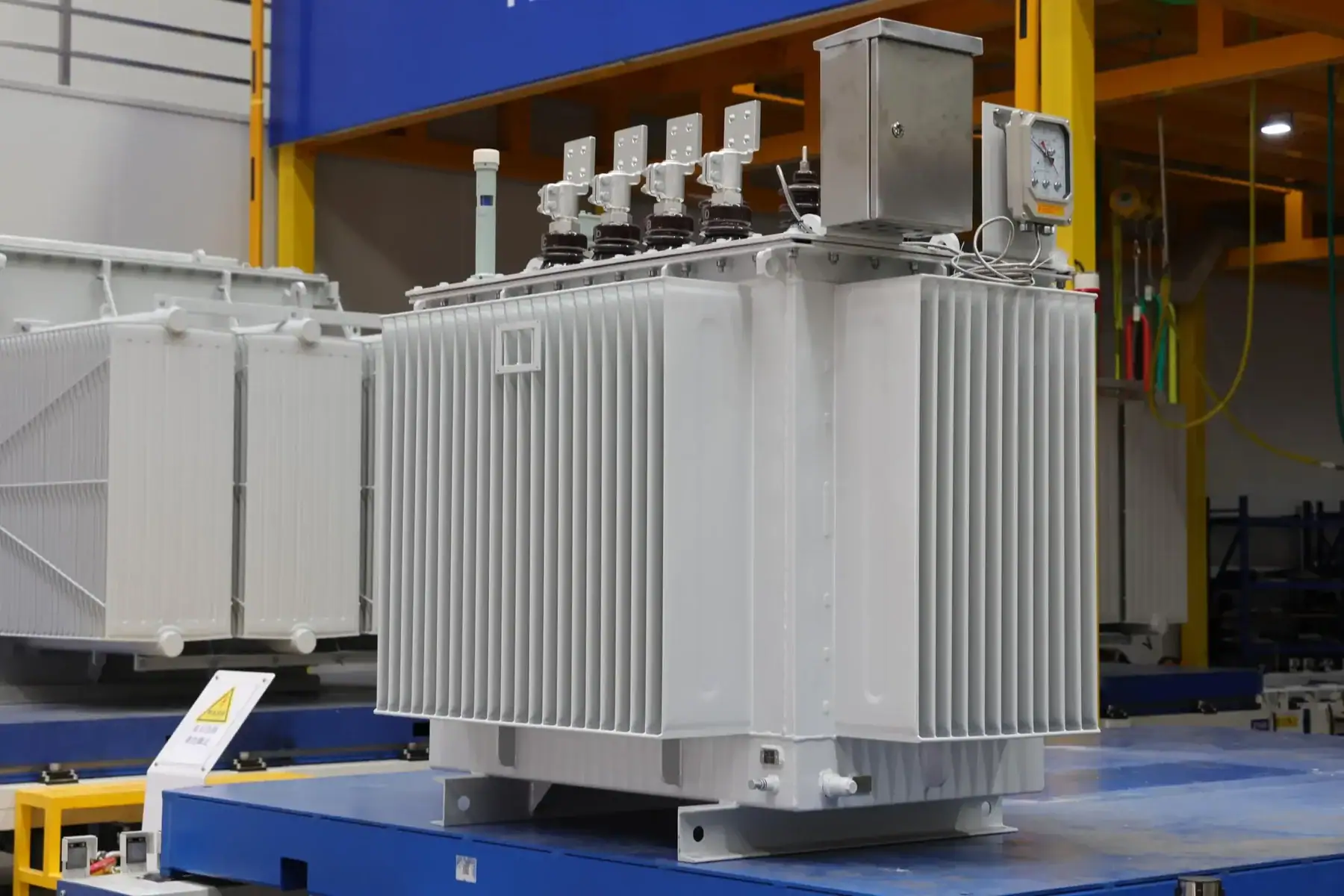
Imagine a scenario where the reliability of a massive transformer, a vital component in the power grid, depends on the meticulousness of its oil filling process. It’s more than just a technical task—it’s an art that combines precision, expertise, and an understanding of intricate machinery. As energy demands rise across the globe, ensuring the flawless performance of transformers becomes paramount, and mastering the transformer oil filling procedure is a critical endeavor for anyone engaged in electrical maintenance or industrial operations.
The stakes are high; a tiny mistake in the oil filling procedure can lead to costly downtime or even catastrophic failures. But what if you had the insider knowledge to perform this essential task with the confidence of a seasoned professional? This blog post will equip you with expert tips and insights that not only ensure operational efficiency but also extend the life of your equipment. Dive into a comprehensive guide designed to transform your approach and elevate your skill set, empowering you to tackle transformer maintenance with unmatched proficiency.
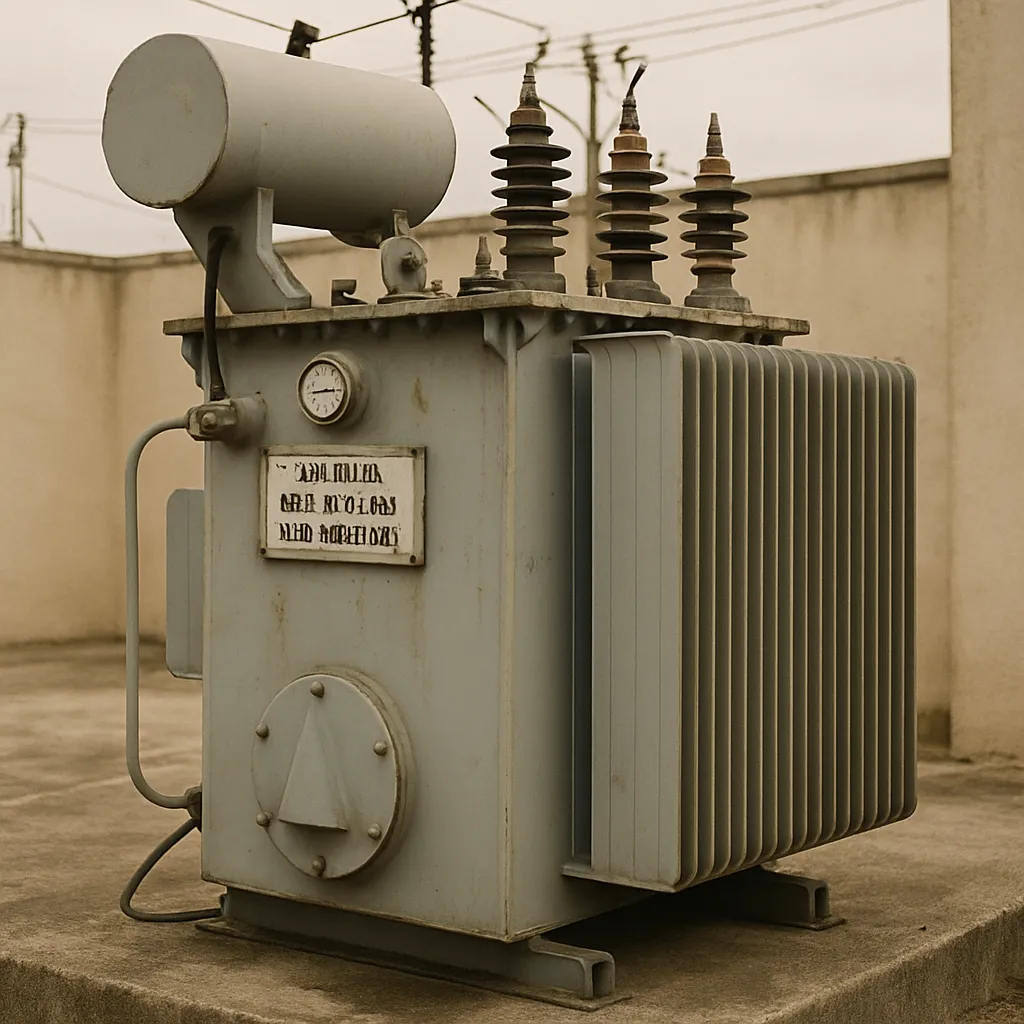
Understanding the Importance of Proper Transformer Oil Filling
Proper transformer oil filling is the cornerstone of reliability, efficiency, and safety in power distribution systems. When you perform the transformer oil filling procedure correctly, you preserve the insulating properties and dielectric strength of the oil, preventing electrical breakdowns and minimizing the risk of arcing between windings. A correctly filled transformer also avoids issues such as voids, moisture ingress, and air pockets, all of which can accelerate mineral decomposition and reduce the equipment’s operational lifespan. In large-scale electrical installations, a single transformer failure could trigger cascading shutdowns, leading to millions in revenue losses and extensive service interruptions.
Beyond electrical insulation, transformer oil acts as a critical heat-transfer medium. During heavy loading conditions, the oil absorbs heat from the core and windings, dissipating it through radiators or cooling fins. An inaccurate oil level or contaminated oil compromises this heat dissipation, resulting in hotspots that degrade winding insulation and accelerate aging. By mastering the transformer oil filling procedure, you ensure optimal thermal management, keeping operating temperatures within safe limits and reducing the likelihood of thermal runaway.
Regulatory compliance and environmental stewardship are also tied to the precision of your oil handling methods. Spills, leaks, or improper disposal of mineral oil can lead to soil and water contamination, incurring hefty fines and reputational damage. Performing the transformer oil filling procedure by adhering to industry standards—IEC, IEEE, or local regulations—demonstrates your commitment to safe operations and ecological responsibility. Ultimately, recognizing the importance of this task sets the stage for long-term performance, cost savings, and enhanced safety in any electrical maintenance program.
Essential Equipment and Tools for Transformer Oil Filling
Carrying out a flawless transformer oil filling procedure demands high-quality tools and precise instrumentation. First and foremost, you need a vacuum pump capable of pulling the desired pressure to evacuate air and moisture from the transformer tank. A sturdy oil filtration unit with multi-stage filters ensures that you introduce only clean, dry oil into the system. In addition, an oil dielectric tester allows you to measure breakdown voltage before and after filtration to verify oil quality. Failure to employ the right equipment can result in suboptimal filling and premature transformer failure.
Aside from the primary machinery, auxiliary tools facilitate safe handling and accurate measurement. Use calibrated flow meters and pressure gauges to maintain proper vacuum and filling rates. Stainless-steel hoses and fittings with adequate temperature ratings prevent contamination and leaks under vacuum conditions. Thermal gloves, face shields, and grounding straps form part of personal protective equipment (PPE) to reduce the risk of injury during high-voltage, high-temperature operations. Ensuring that each piece of equipment is properly maintained and certified is vital to the success of your transformer oil filling procedure.
Selecting the Right Type of Transformer Oil
Choosing the appropriate transformer oil is not a one-size-fits-all decision; it involves careful consideration of performance requirements, environmental conditions, and regulatory standards. Mineral oil remains the industry workhorse due to its excellent dielectric properties and cost-effectiveness, but new synthetic and natural ester-based fluids are gaining traction for their biodegradability and higher flash points. Each fluid type has trade-offs in terms of viscosity, moisture tolerance, and oxidation stability. By aligning the oil’s properties with your application needs, you optimize cooling performance and environmental compliance.
Key attributes to evaluate include dielectric strength, moisture absorption capacity, thermal conductivity, and oxidation inhibitors. Conduct a comparative analysis of vendor datasheets and, whenever possible, perform in-house or third-party lab tests to verify performance under simulated service conditions. For transformers operating in arid or humid climates, choose oils with superior moisture management to prevent partial discharge. In ecologically sensitive areas, natural esters offer lower toxicity and faster biodegradation, reducing the environmental impact of potential leaks.
Finally, factor in lifecycle costs—initial purchase price, filtration requirements, testing intervals, and disposal or recycling fees. While premium fluids may have a higher upfront cost, their enhanced longevity and performance can translate into fewer outages and extended maintenance intervals. By rigorously evaluating technical specs against operational priorities, you ensure that your transformer oil filling procedure incorporates a fluid that supports long-term reliability and cost-effective performance.
Monitoring and Testing Procedures After Oil Filling
Once the transformer oil filling procedure is complete, diligent monitoring and testing are essential to confirm the integrity of the installation. Insulating oil testing should include acidity (Neutralization Number), moisture content (Karl Fischer titration), and dielectric breakdown voltage measurements. These tests verify that the oil meets or exceeds the required thresholds before the transformer is energized. Establishing a structured testing schedule—daily checks initially, followed by monthly or quarterly assessments—helps detect degradation or contamination early.
In addition to laboratory analysis, on-site diagnostics such as infrared thermography, partial discharge detectors, and dissolved gas analysis (DGA) provide real-time insights into transformer health. Infrared scanning highlights uneven temperature distributions, signaling potential hotspots from oil flow restrictions or winding faults. DGA measures gas byproducts from oil decomposition, offering an early warning for partial discharges, overheating, or arcing. Integrating these techniques into your routine post-filling audits complements traditional oil tests and enhances overall reliability.
Maintenance Tips for Long-Term Transformer Performance
Maintaining transformer performance begins with a robust preventive maintenance program. Schedule regular oil sampling and testing to monitor trends in moisture, acidity, and dielectric strength. Any deviation from baseline values warrants immediate filtration or oil replacement to prevent accelerated aging of insulation materials. Likewise, inspect gaskets, valves, and breather systems for signs of degradation or clogging to ensure the transformer remains sealed against moisture ingress.
Routine visual inspections of bushings, radiators, and cooling fans help identify leaks, corrosion, or mechanical damage before they escalate. Clean heat exchanger surfaces and maintain proper oil levels to support efficient cooling. In regions with extreme seasonal temperature swings, consider implementing a heating system or oil circulation pump to maintain uniform temperature and prevent stratification. Document every maintenance activity in a centralized logbook, tracking oil condition data and equipment adjustments to refine future servicing intervals and improve predictive maintenance accuracy.
Conclusion: Mastering the Transformer Oil Filling Procedure
Mastering the transformer oil filling procedure is a blend of technical knowledge, meticulous planning, and disciplined execution. By appreciating the vital role of oil quality, selecting the right equipment, and adhering to comprehensive testing protocols, you safeguard your transformers against premature failure and operational disruptions.
Regular maintenance and monitoring further extend service life and optimize performance, delivering reliable power distribution in any environment. With these expert tips at hand, you’re well on your way to conducting transformer oil filling procedures with the confidence and precision of a seasoned professional.

 English
 Français
 Español
 Deutsch