
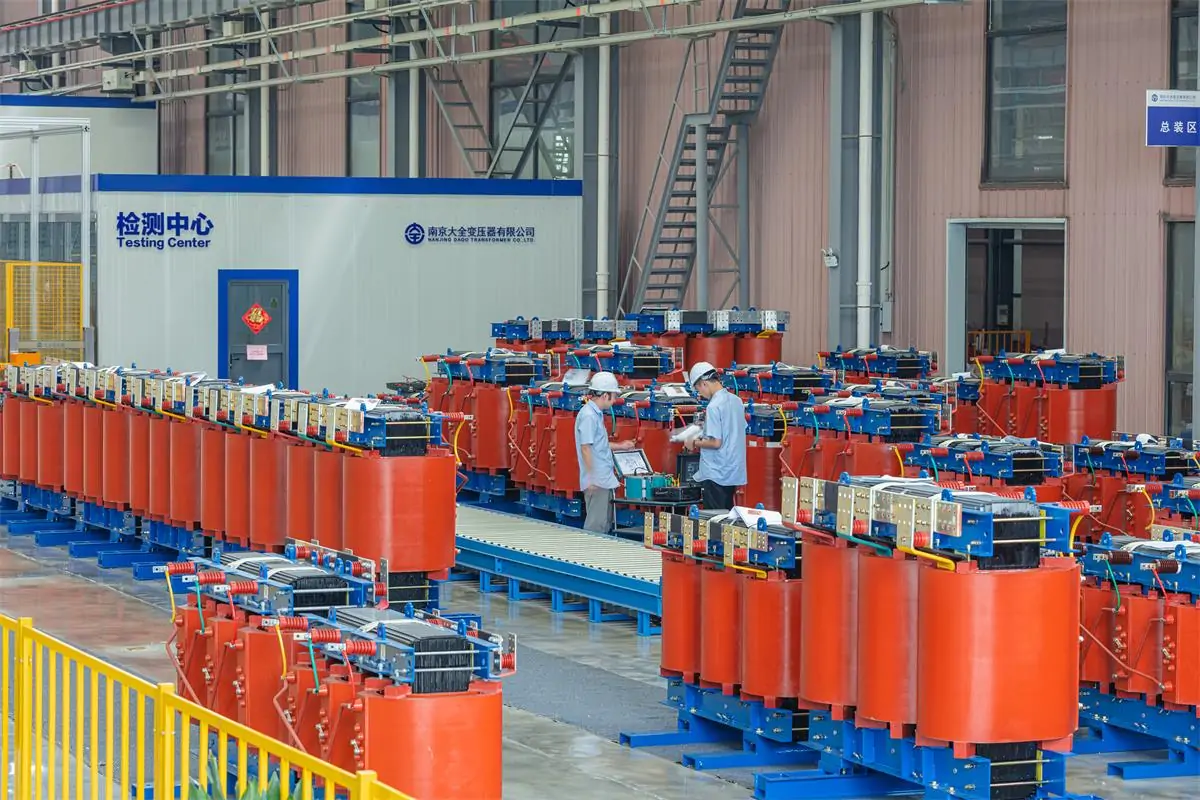
In the rapidly evolving world of technology and energy, few components are as pivotal to our modern infrastructure as transformers. These seemingly modest devices are the backbone of our electrical grids, facilitating the efficient transmission of power across vast distances. As we fast approach 2025, transformer manufacturers are not just meeting the increasing global demands for electricity but are also driving progress with groundbreaking innovations. This evolution goes beyond mere functionality, as manufacturers strive to create solutions that are smarter, more sustainable, and adaptable to the fluctuating needs of a diverse array of industries.
Imagine a future where electricity grids are not only robust but also resilient to climate change impacts and cyber threats. Transformer manufacturers are at the forefront of this vision, pushing boundaries to develop technologies that ensure reliable power delivery under any circumstance. The journey to 2025 is rife with challenges, but it also presents unprecedented opportunities for growth and advancement in the energy sector. Through strategic partnerships, cutting-edge research, and a commitment to sustainability, leading companies are poised to not only power our world but to redefine what is possible in the realm of electrical engineering.
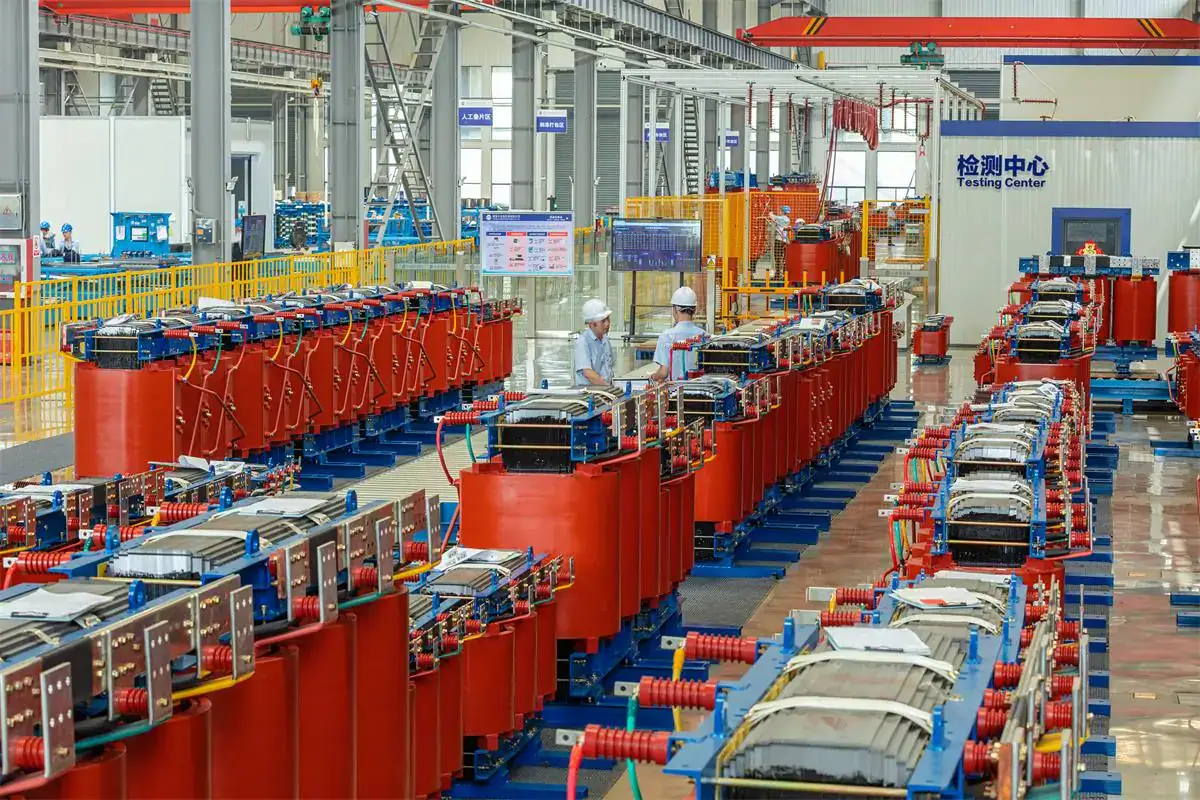
The Importance of Transformers in Modern Infrastructure
Transformers are the unsung heroes of our electrical networks, quietly stepping up or down voltage levels to maintain efficiency and safety. In an age where renewable energy sources like solar farms and wind turbines feed into the grid, voltage regulation becomes ever more critical. Transformer manufacturers play an essential role by engineering equipment that can handle variable input from these intermittent sources while ensuring stable output to homes, businesses, and critical facilities. The reliability of hospitals, data centers, and transportation systems all hinge on the precise operation of these devices, making their design and production a matter of public safety and economic stability.
Beyond voltage conversion, today’s transformers must also address issues such as harmonic distortion, thermal management, and electromagnetic interference. Manufacturers have invested heavily in research to develop materials and winding techniques that minimize energy losses and extend equipment lifespan. Advanced monitoring systems embedded in modern transformers allow operators to track real-time performance metrics, detect anomalies, and perform predictive maintenance. As a result, downtime is reduced, and overall grid resilience is enhanced. In short, transformer manufacturers are driving the digitalization of power networks—ushering in an era where seamless communication between devices ensures continuous, high-quality energy delivery.
Smart Solutions for Efficient Power Transmission
Efficiency and intelligence go hand in hand when it comes to modern transformers. Leading transformer manufacturers have integrated digital sensors, IoT connectivity, and advanced analytics into their products, creating smart transformers capable of self-optimizing performance. By continuously monitoring temperature, load, and voltage fluctuations, these devices can adjust operational parameters in real time, reducing energy losses and preventing overheating. The result is a leaner, more efficient transmission system that lowers operational expenses for utilities and end users alike.
Another hallmark of these smart solutions is remote management. Utilities can now access transformer data via secure cloud platforms, allowing engineers to diagnose issues and implement firmware updates without physical site visits. This level of connectivity not only speeds up response times in emergencies but also supports predictive maintenance models. By analyzing historical performance data, transformer manufacturers help operators anticipate component failures before they lead to outages—unlocking significant cost savings and improving grid reliability.
Sustainable Practices in Transformer Production
As pressure mounts to reduce carbon footprints, transformer manufacturers are adopting eco-friendly materials and processes. One notable advance is the use of biodegradable insulating fluids derived from natural esters, replacing traditional mineral oils. These renewable alternatives offer superior fire safety and biodegradability, minimizing environmental risk in case of leaks. Additionally, manufacturers are optimizing core designs to use less metal and reduce waste during production, further lowering the overall environmental impact of these critical components.
Energy efficiency doesn’t stop at the product level. Leading companies have reimagined their entire supply chains to be greener—implementing solar-powered factories, using recycled steel for transformer cores, and incorporating closed-loop water cooling systems in manufacturing plants. By sourcing raw materials responsibly and streamlining logistics, transformer manufacturers are not only meeting stringent global standards but also appealing to utilities and industrial customers with sustainability mandates. These efforts demonstrate how corporate responsibility and business performance can go hand in hand, forging a cleaner future for power infrastructure.
Adapting to Industry Needs: Customization and Flexibility
In today’s diverse market, one size rarely fits all. Transformer manufacturers have responded by offering highly customizable products tailored to specific applications—from compact units for urban microgrids to heavy-duty transformers for oil and gas platforms. Custom engineering involves selecting the right combination of voltage ratings, cooling methods, and protective features to meet the unique demands of each project. This flexibility ensures optimized performance regardless of environmental conditions or load profiles.
Furthermore, modular transformer designs are gaining traction. Breakthroughs in plug-and-play subassemblies allow utilities and industrial operators to scale capacity quickly without extensive on-site construction. When demand spikes or new renewable installations come online, additional modules can be added seamlessly. Transformer manufacturers providing these modular options empower customers with faster deployment times, lower installation costs, and the agility to adapt to evolving energy landscapes.
Conclusion: Shaping the Future of Energy with Innovative Transformers
As we look toward 2025, it’s clear that transformer manufacturers will remain at the heart of energy transition and infrastructure modernization. Their advances in smart technology, sustainable production, and customization are enabling power systems that are more reliable, efficient, and eco-friendly than ever before.
By partnering with visionary companies and embracing continual innovation, utilities and industries can confidently navigate the challenges ahead—ensuring a resilient, sustainable grid that powers progress for generations to come.

 English
 Français
 Español
 Deutsch