Types of Dry Type Transformers Explained
Dry type transformers are electrical transformers that do not use any liquid for cooling or insulation. Unlike oil-filled transformers, these rely on air or other solid insulation materials to manage heat dissipation. This makes them safer for indoor environments and reduces the risk of fire hazards. The absence of oil also means that there is no need for oil containment measures, which can simplify installation and maintenance processes.
These transformers are often preferred in environments where the risk of oil leaks could lead to contamination or where stringent environmental regulations are in place. The use of solid insulation materials ensures that the transformers maintain their integrity and performance even in challenging conditions. Additionally, dry type transformers are often more compact, which can be a significant advantage in space-constrained installations.
- Safety: Since there’s no oil, the risk of leaks and fires is minimized. This safety advantage makes them an attractive option for sensitive environments where safety is a top priority, such as schools, hospitals, and data centers.
- Eco-Friendly: No oil means no environmental contamination. This aspect aligns with modern sustainability goals, as businesses seek to reduce their environmental footprint and comply with green building certifications.
- Low Maintenance: They require less upkeep compared to oil-filled transformers. The absence of oil eliminates the need for regular oil checks, top-ups, or replacements, translating to reduced operational costs over the transformer’s lifetime.
- Suitable for Indoor Use: Their design makes them ideal for indoor installations. They can be installed in basements, high-rise buildings, or areas with restricted ventilation without compromising safety or performance.
There are several types of dry type transformers, each with specific features and applications. Understanding these variations helps in selecting the right transformer based on the operational environment, voltage requirements, and specific industry needs. The choice can affect not just the initial cost but also the long-term efficiency and reliability of the power distribution system.
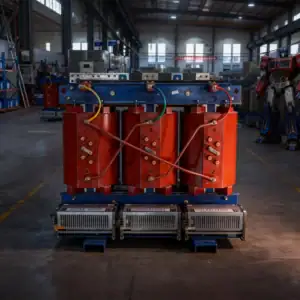
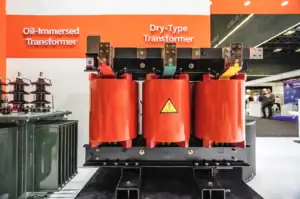
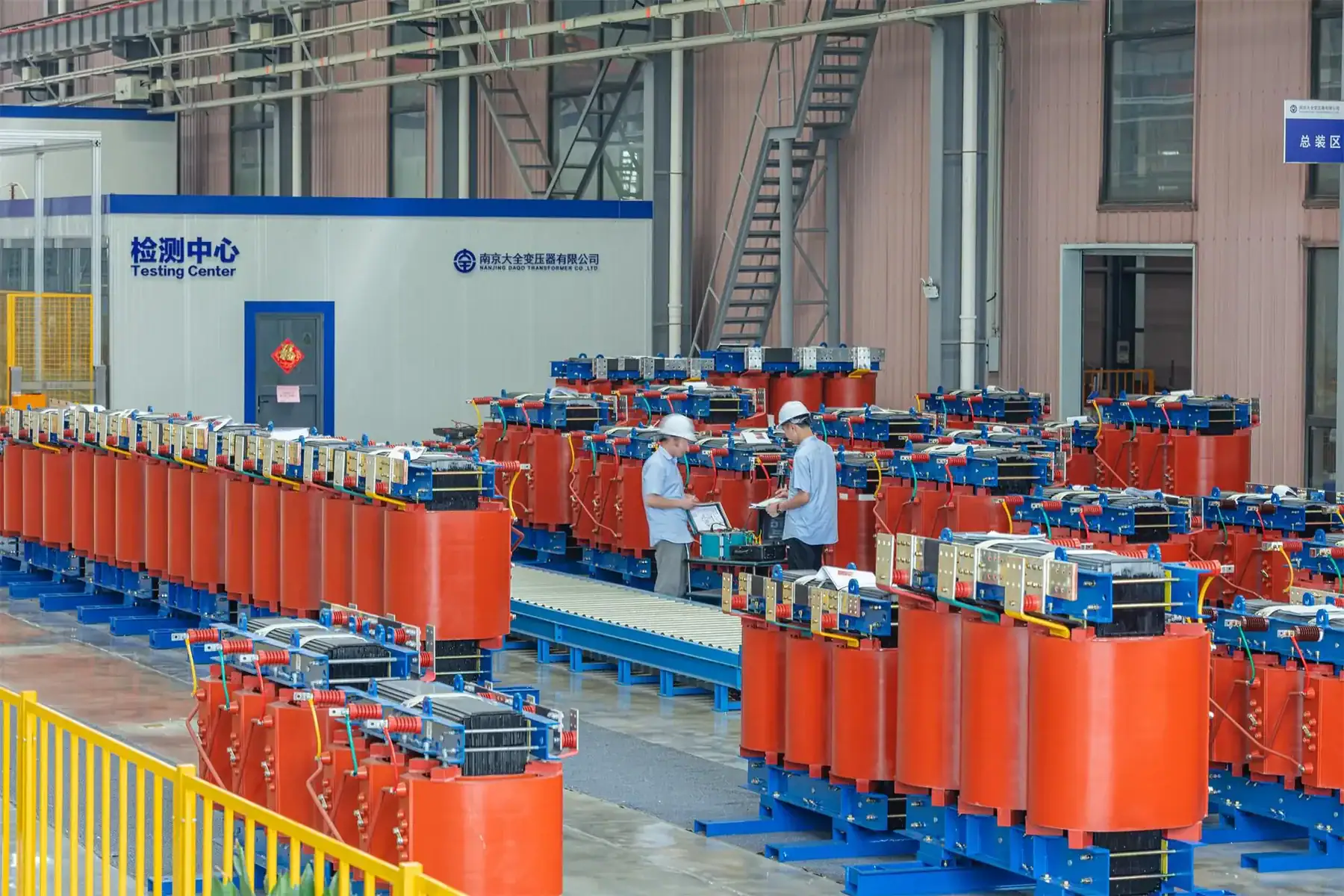
The cast resin transformer is a popular choice for many industries. It uses epoxy resin to insulate the windings, making it resistant to moisture and dust. This type of transformer is commonly used in environments where corrosion is a concern, such as chemical plants and coastal areas. The robust construction ensures that these transformers can withstand harsh conditions without degrading performance.
The use of cast resin also means that these transformers are less prone to cracking or damage from thermal expansion. This resilience makes them suitable for applications where temperature fluctuations are common. Additionally, the clean and maintenance-free operation of cast resin transformers makes them a cost-effective choice over their lifespan.
- Moisture Resistant: Suitable for humid environments. This feature is particularly beneficial in regions with high humidity, where moisture can compromise electrical components.
- Durable: The epoxy resin provides strong mechanical support. This ensures that the transformers can handle physical impacts and vibrations without damage.
- Low Noise: Operates quietly, making it suitable for residential areas. The low noise levels contribute to a more comfortable environment, especially in urban settings where noise pollution is a concern.
VPI transformers use a process of vacuum pressure to impregnate the windings with a protective varnish. This method enhances the insulation strength and mechanical durability of the transformer. The vacuum process ensures that the varnish penetrates deeply into the windings, providing comprehensive protection against moisture and contaminants.
- Industrial Settings: Ideal for factories and manufacturing units. Their robust design and enhanced insulation make them suitable for environments where machinery and equipment can generate significant heat and require reliable power supply.
- High-Temperature Environments: Can withstand significant temperature variations. This makes VPI transformers ideal for locations where ambient temperatures can rise sharply or vary widely.
Similar to VPI transformers, VPE transformers undergo a vacuum pressure process but are encapsulated with a thicker coating. This provides enhanced protection against harsh environmental conditions. The thicker encapsulation ensures that the transformer can resist external elements such as salt, chemicals, and dust, which are prevalent in industrial and coastal environments.
- Enhanced Protection: Suitable for extreme weather conditions. This makes VPE transformers a preferred choice in areas prone to storms, floods, or extreme temperature changes.
- Long Lifespan: The encapsulation extends the transformer’s operational life. The robust construction reduces the need for frequent replacements, providing better return on investment for facilities.
Air-cooled transformers rely on natural air circulation for cooling. They are simple in design and are often used in applications where heat dissipation is not a major concern. These transformers are particularly well-suited for areas where natural ventilation can be easily achieved, such as open or well-ventilated buildings.
- Simplicity: No complex cooling systems involved. This simplicity translates to easier installation and maintenance, as there are fewer components that can fail.
- Cost-Effective: Generally cheaper than other types of transformers. The lower initial cost makes them an attractive option for budget-conscious projects that do not require high-performance specifications.
- Limited Capacity: Best for low to medium power applications. These transformers are ideal for smaller facilities or specific applications within larger installations where high power is not required.
Medium voltage dry transformers are designed to handle voltage levels between 1kV and 72.5kV. They are commonly used in commercial and industrial power distribution systems. Their ability to manage medium voltage levels makes them a critical component in ensuring stable and efficient power distribution across large facilities.
- Commercial Buildings: Suitable for office complexes and shopping malls. Their compact and safe design allows for integration into existing infrastructure without extensive modifications.
- Industrial Facilities: Used in factories and large-scale manufacturing plants. These transformers are vital in supporting the power needs of heavy machinery and continuous production lines, ensuring minimal downtime and operational efficiency.
These transformers are used to distribute electrical energy to end-users. They are a vital component of the electrical distribution network and are designed for efficiency and reliability. Their role is crucial in ensuring that the electrical energy generated is efficiently delivered to residential, commercial, and industrial users.
- Versatility: Can be used in a variety of applications. Whether it’s powering a residential neighborhood or a large industrial complex, these transformers can be adapted to meet diverse power needs.
- Efficiency: Designed to minimize energy loss during distribution. This results in cost savings for utility companies and end-users, as well as reduced environmental impact due to lower energy wastage.
The insulation type of a transformer plays a critical role in its performance and longevity. Different insulation methods offer varying levels of protection and efficiency, making it essential to choose the right type based on the operational environment and specific needs.
Solid insulation materials, such as epoxy resin and varnish, are used to protect the windings of dry type transformers. These materials offer excellent electrical insulation and mechanical strength. Their durability ensures long-term performance and reduces the need for frequent maintenance or replacements.
Air is used as a natural insulator in many dry type transformers. It provides adequate cooling and insulation for transformers operating in less demanding conditions. This method is particularly beneficial in environments where cost and simplicity are more important than high-performance specifications.
Dry type transformers are particularly suited for indoor applications due to their safety and design. They offer reliable performance without the risks associated with liquid-filled transformers, making them a preferred choice for indoor installations where space and safety are critical considerations.
- Hospitals: Ensures a stable power supply for critical equipment. The reliability of these transformers is essential in medical facilities where power interruptions can impact patient care and safety.
- Schools: Provides safe and reliable power distribution. Their use in educational institutions ensures that lighting, heating, and electronic devices operate smoothly, supporting a conducive learning environment.
- Commercial Buildings: Ideal for office and retail spaces. The compact design and low maintenance requirements of dry type transformers make them suitable for modern commercial facilities seeking efficient and sustainable power solutions.
Dry type transformers are an essential component in the electrical distribution landscape. Their safety, reliability, and efficiency make them a preferred choice for a wide range of applications. By understanding the different types of dry type transformers and their features, businesses and facilities can make informed decisions to meet their power needs effectively.
Whether it’s a cast resin transformer for a coastal installation or a medium voltage dry transformer for an industrial facility, choosing the right transformer can significantly impact operational efficiency and safety. The advancements in dry type transformer technology continue to expand their applicability, offering improved performance and sustainability.
In summary, the various types of dry type transformers each offer unique benefits, allowing them to serve diverse applications across different industries. Their design advancements continue to make them a viable choice for modern power distribution needs. As industries evolve and power demands increase, dry type transformers will play an increasingly critical role in supporting sustainable and efficient energy systems.