
When it comes to electrical transformers, the environment where they operate plays a significant role in determining their design and functionality. Weather-resistant dry-type transformers are engineered to withstand the elements, making them ideal for outdoor applications. This article will explore the different types of weatherproof dry-type transformers, their benefits, and how they ensure reliable performance in various conditions.

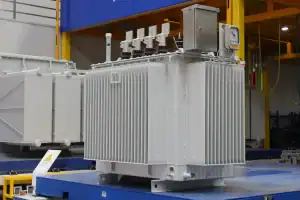
Weather-resistant dry-type transformers are transformers that are designed to operate efficiently in outdoor environments. Unlike their liquid-filled counterparts, these transformers use air or another gas as the cooling medium, which eliminates the risk of leaks and reduces maintenance needs. They’re particularly suited for settings where liquid-filled transformers pose a risk, such as environmentally sensitive areas.
Types of Weatherproof Dry-Type Transformers
There are several types of weatherproof dry-type transformers, each with its own unique features and applications:
Cast Resin Transformers
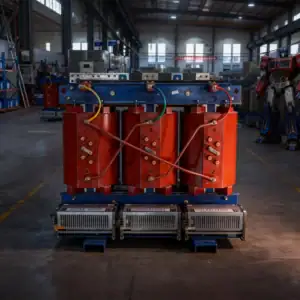
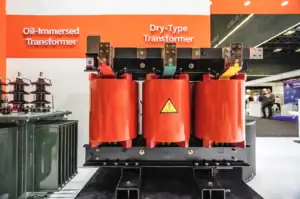
Cast resin transformers are known for their robust construction. They have windings encapsulated in epoxy resin, which provides excellent protection against harsh weather conditions. This makes them ideal for outdoor applications where exposure to moisture, dust, and other environmental factors is a concern.
VPI Dry-Type Transformers
VPI (Vacuum Pressure Impregnated) dry-type transformers are another popular choice for outdoor use. These transformers are treated with a special varnish under vacuum pressure, which enhances their insulation properties and weather resistance. They are suitable for applications where high reliability and low maintenance are required.
VPE Transformers
VPE (Vacuum Pressure Encapsulated) transformers are similar to VPI transformers but offer even greater protection against environmental factors. The additional encapsulation layer provides an extra barrier against moisture and contaminants, making them highly reliable for outdoor applications.
Key Benefits of Weather-Resistant Dry-Type Transformers

Weather-resistant dry-type transformers offer several advantages over traditional transformers, particularly in challenging environments:
Enhanced Durability
These transformers are built to withstand extreme weather conditions, such as high humidity, rain, snow, and temperature fluctuations. Their robust construction ensures long-lasting performance, reducing the need for frequent replacements.
Environmental Safety
Since they do not contain oil, dry-type transformers eliminate the risk of oil leaks, which can cause environmental contamination. This makes them a safer choice for eco-sensitive areas.
Reduced Maintenance
The absence of oil and the protective coatings used in these transformers result in lower maintenance requirements. This translates to less downtime and reduced operational costs.
Improved Safety
Weather-resistant dry-type transformers are less likely to catch fire compared to oil-filled transformers, as they do not contain flammable liquids. This enhances safety, especially in areas with a high fire risk.
Applications of Outdoor Dry-Type Transformers
Outdoor dry-type transformers are versatile and can be used in various settings, including:
Renewable Energy Projects
In renewable energy projects, such as wind and solar farms, transformers are often exposed to the elements. Weather-resistant dry-type transformers ensure reliable power conversion and distribution, even in harsh environmental conditions.
Industrial Sites
Industrial sites often require transformers that can withstand dust, moisture, and other environmental challenges. Dry-type transformers provide the durability and performance needed for these demanding applications.
Infrastructure Projects
Infrastructure projects, such as railways and highways, often require transformers for power distribution. Weather-resistant dry-type transformers offer the reliability and efficiency needed to support these critical projects.
Transformer Protection Methods

To ensure optimal performance, weather-resistant dry-type transformers incorporate several protection methods:
IP-Rated Enclosures
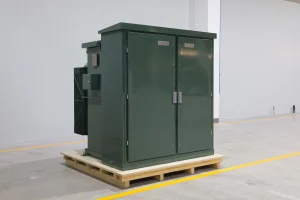
IP (Ingress Protection) ratings indicate the level of protection a transformer enclosure provides against dust and moisture. Selecting the appropriate IP rating ensures that the transformer is adequately protected from environmental factors.
Protective Coatings
Transformers are often treated with protective coatings that enhance their resistance to moisture, dust, and other environmental contaminants. These coatings extend the lifespan of the transformer and reduce maintenance needs.
Thermal Protection
Thermal protection mechanisms are implemented to prevent overheating and ensure efficient operation in varying temperatures. This includes features such as temperature monitoring and cooling systems.
Choosing the Right Weather-Resistant Dry-Type Transformer
When selecting a weather-resistant dry-type transformer, consider the following factors:
Environmental Conditions
Assess the specific environmental conditions where the transformer will be installed. Consider factors such as temperature range, humidity levels, and exposure to dust and moisture.
Application Requirements
Determine the electrical load and specific requirements of your application. This will help you choose a transformer with the appropriate capacity and features.
Safety and Compliance
Ensure that the transformer meets relevant safety and compliance standards. This includes checking for certifications and industry standards that apply to your specific application.
Conclusion
Weather-resistant dry-type transformers are an essential component for many outdoor applications. Their robust design, environmental safety, and reduced maintenance needs make them an ideal choice for various industries. By understanding the different types and protection methods, you can select the right transformer to ensure reliable performance in any environment. Whether you’re working on a renewable energy project or an industrial site, these transformers provide the durability and efficiency you need to keep operations running smoothly.