
In the world of electrical distribution, transformers play a critical role. Among the various types of transformers, the dry type transformer has gained significant attention. But what exactly is a dry type transformer, and what are its uses? This article delves into the functions, advantages, and applications of dry type transformers.

Understanding Dry Type Transformers
What is a Dry Type Transformer?
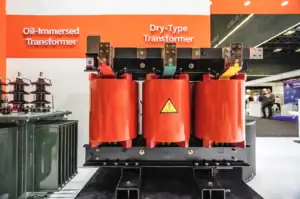
A dry type transformer is an electrical device that transfers electrical energy between two or more circuits through electromagnetic induction. Unlike oil-filled transformers, dry type transformers do not use any liquid for cooling. Instead, they rely on air circulation around the windings for cooling purposes.
How Does It Work?
The dry type transformer operates on the same basic principle as other transformers: electromagnetic induction. It consists of primary and secondary windings, and when voltage is applied to the primary winding, a magnetic field is created, inducing a voltage in the secondary winding. This process allows electrical energy to be efficiently transferred from one circuit to another.
Why Choose a Dry Type Transformer?
Low Maintenance and Safety
One of the primary advantages of transformers is their low-maintenance nature. Since they do not contain oil, there is no risk of oil leakage or fire hazards, making them a safer option for indoor applications. This characteristic makes them ideal for use in densely populated areas or in environments where safety is a top priority.
Environmental Friendliness
Dry type transformers are considered environmentally friendly because they do not use oil or other potentially hazardous substances. This makes them suitable for green building initiatives and sustainable energy projects.
Cost-Effective
While the initial cost of a dry type transformer might be higher compared to oil-filled transformers, the overall cost of ownership is often lower. This is due to reduced maintenance costs and the elimination of oil disposal requirements.
Key Uses of Dry Type Transformers
Indoor Transformer Applications
Dry type transformers are particularly useful for indoor applications. They are commonly used in commercial buildings, hospitals, schools, and other facilities where safety and reliability are paramount. Their quiet operation and low risk of fire make them an excellent choice for indoor environments.
Electrical Distribution
In electrical distribution systems, dry type transformers are used to step down the voltage to levels suitable for home and commercial use. They ensure a steady and safe supply of electricity, contributing to the overall efficiency of the power distribution system.
Cast Resin Transformer Use
Cast resin transformers are a type of dry transformer known for their robust construction and ability to withstand harsh environmental conditions. They are often used in industrial settings, renewable energy projects, and outdoor installations.
Advantages of Dry Type Transformers
Enhanced Safety
As mentioned earlier, dry type transformers do not contain oil, eliminating the risk of oil-related fires. This makes them a safer option, especially in areas with strict safety regulations.
Durability and Longevity
Dry type transformers are designed to withstand a wide range of environmental conditions. Their robust construction ensures durability and a long service life, even in challenging environments.
Flexibility in Installation
These transformers offer installation flexibility, as they can be mounted indoors or outdoors. Their compact size and lack of oil make them easier to install in tight spaces.
Conclusion
Dry type transformers serve a vital role in modern electrical distribution systems. Their uses span a wide range of applications, from indoor facilities to industrial sites. With advantages like enhanced safety, low maintenance, and environmental friendliness, dry type transformers are a reliable choice for many electrical distribution needs.
As technology continues to advance, the demand for efficient, safe, and eco-friendly transformers is likely to grow. Dry type transformers, with their numerous benefits, are well-positioned to meet the needs of an evolving energy landscape.
In summary, the dry type transformer is a versatile and essential component in electrical distribution, offering a host of benefits that make it a preferred choice for many applications. Whether for safety, environmental concerns, or cost-effectiveness, dry type transformers have proven their worth in the electrical industry.